Analyzing the Impact of Controller Design on Gameplay
28 December 2025
Gaming has always been about more than just what’s happening on the screen. It’s about how we interact with the digital world—what we hold, press, twist, shake, and steer. This is where controller design enters the scene. Ever wonder why some games just feel better on a particular console? Or why your thumbs ache after using certain controllers for too long? That’s not a coincidence—it all comes down to controller design and how it shapes our gaming experience.
In this article, we're going to break down the real impact of controller design on gameplay. We're not just talking about fancy buttons and glossy finishes. We’re diving deep into ergonomics, personalization, accessibility, latency, and the subtle design choices that make or break our gaming immersion.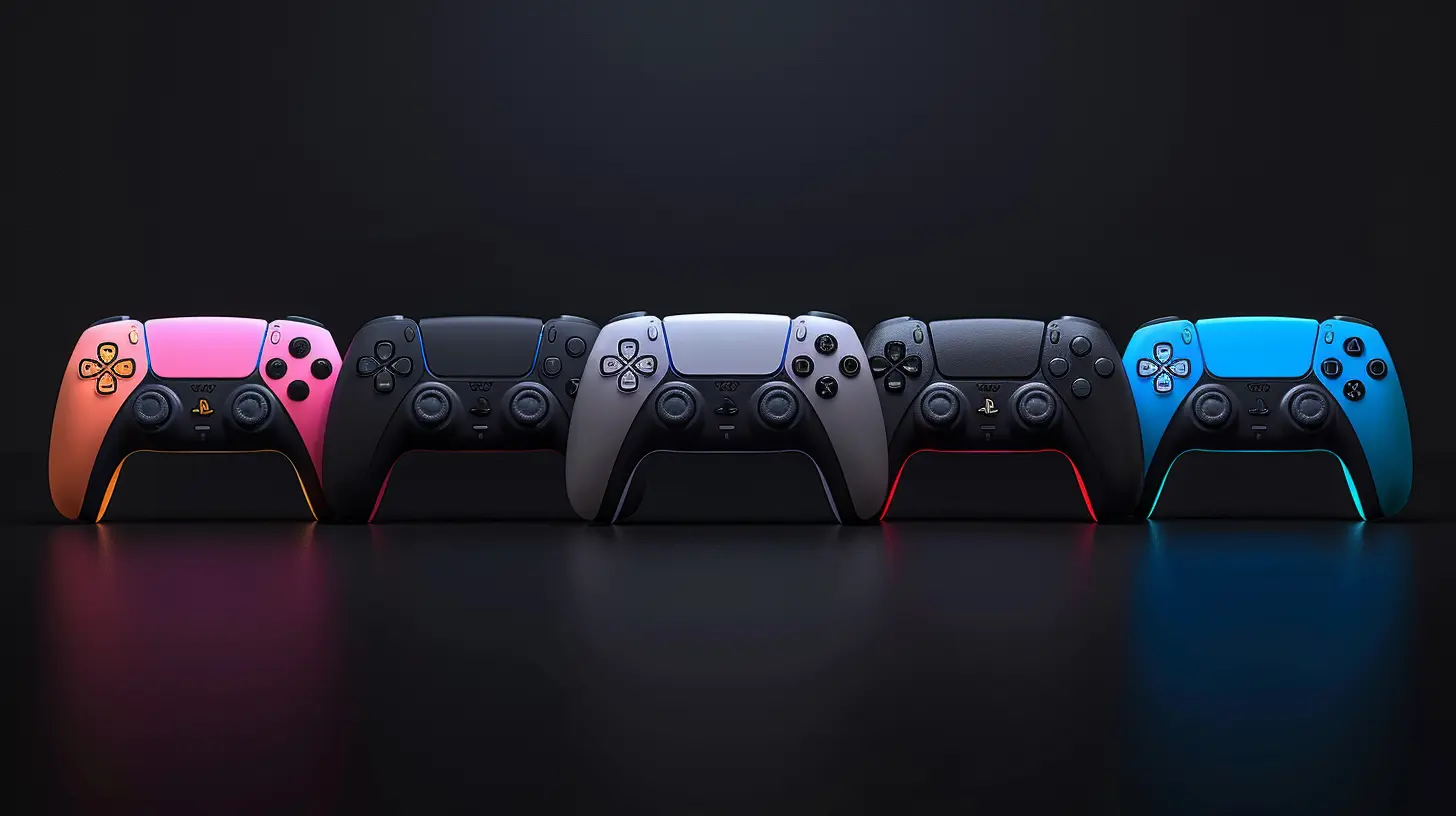
Why Controller Design Actually Matters
Let’s be real—a controller is your direct lifeline into the game. It translates your intent into action. If the design is clunky or awkward, it creates a barrier. But if it fits just right, it disappears entirely—and suddenly, you're in the game, not just playing it.Good controller design can:
- Make complex commands intuitive
- Reduce fatigue during long sessions
- Help you respond faster in high-pressure moments
- Open the door for more people to play, including those with disabilities
The connection between hand and screen should feel natural, almost like an extension of your body. When it doesn’t, you feel it. You die more in the game, fumble combos, or just stop having fun.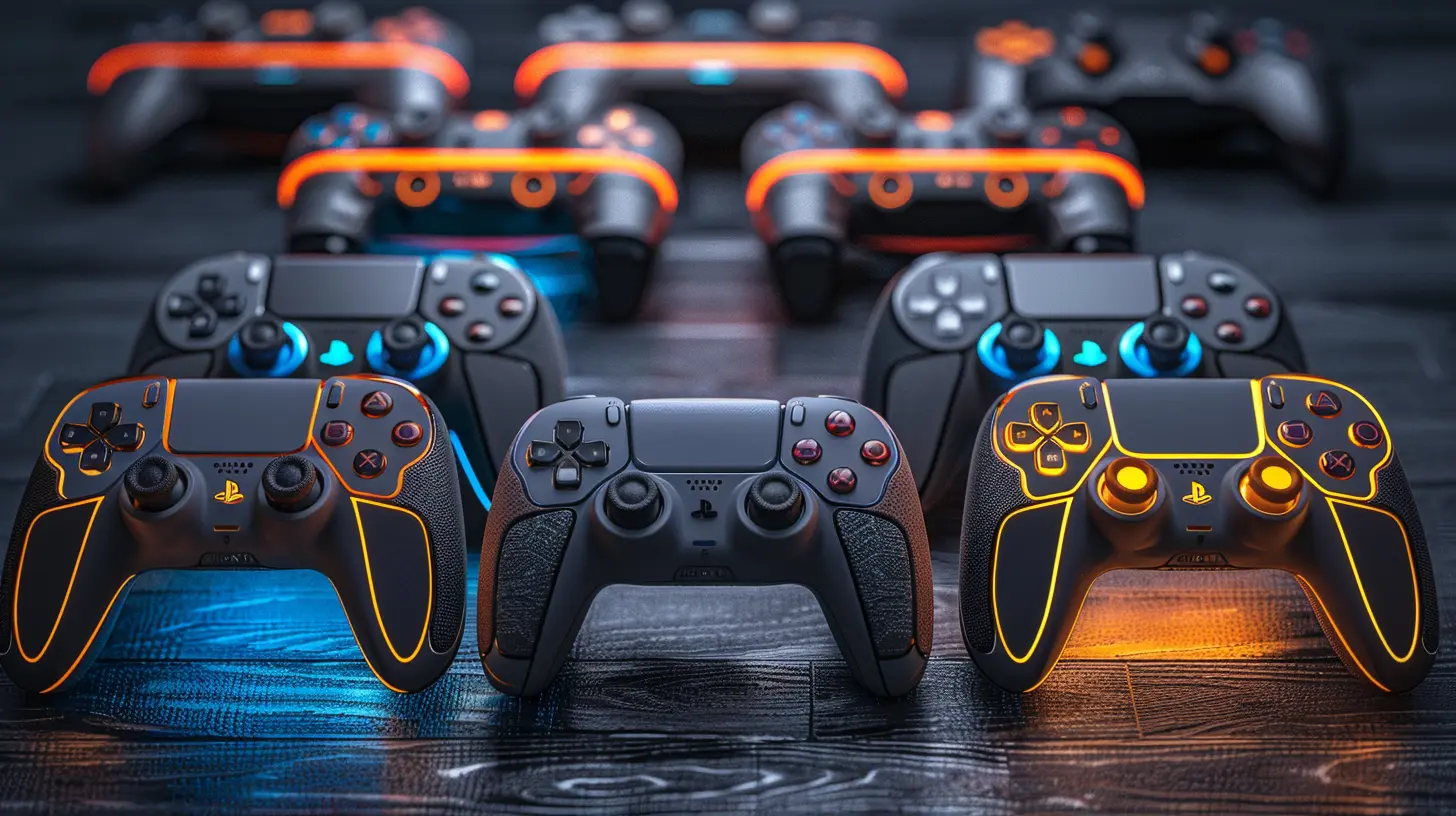
Ergonomics: The Silent Hero of Gameplay
Let’s start with a big one: comfort. Ergonomics isn’t just a buzzword—it’s real science that plays a huge role in how long (and how well) we can play.The Feel in Your Hands
Think of the Xbox controller. It's lauded for its chunky, curved design that fits snuggly in larger hands. Now contrast that with the DualShock 4 or DualSense—the PlayStation controllers with symmetrical analog sticks and a slightly slimmer grip. Both are good, but they cater to slightly different types of gamers.Ever tried marathon-gaming using a controller that cramps your fingers? It's like trying to run a marathon in stiff shoes. You might get through it, but your performance shows, and you're left aching.
Trigger Sensitivity and Button Placement
The layout of buttons matters a lot. Fighting games demand responsive, clicky buttons. Racing games benefit from pressure-sensitive triggers. Adventure games need intuitive layouts to avoid accidental weapon swaps during boss fights.When the controller’s design supports the genre you're playing, everything flows. When it doesn’t, it’s like fighting your own hands.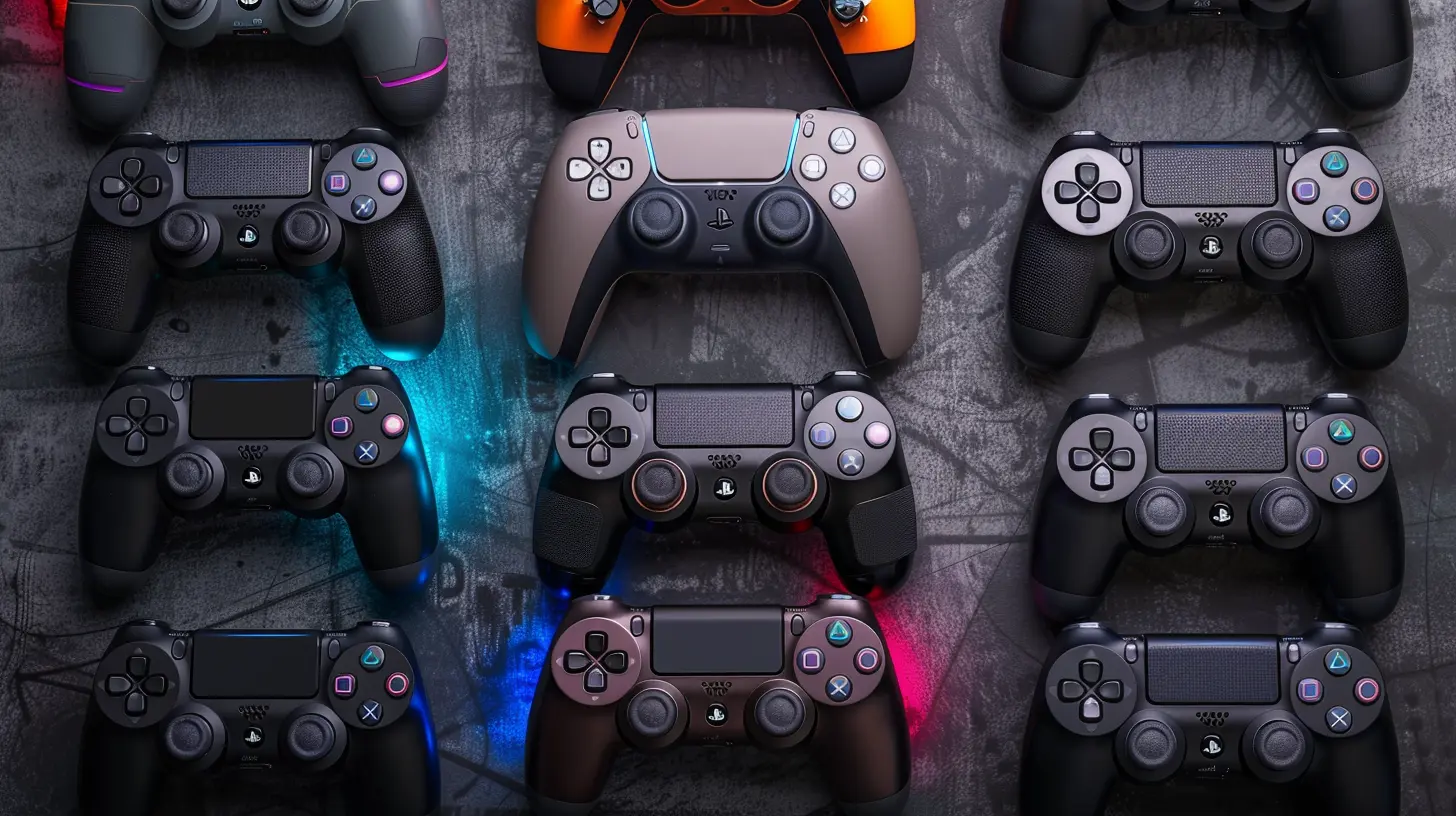
Immersion Through Innovative Features
Next-gen controllers today come packed with features like haptic feedback, adaptive triggers, and motion controls. These aren't gimmicks—they pull you deeper into the game world.Haptic Feedback
Remember the first time your controller vibrated during a cutscene? That tiny buzz added a whole new dimension. Now, newer controllers like the PS5's DualSense take it to another level with nuanced, localized vibrations. You can literally feel the difference between driving on gravel versus pavement. That’s immersion.Adaptive Triggers
This is where things get wild. Adaptive triggers push back when you pull them, mimicking tension in a bowstring or resistance in a slowing car. It’s physical feedback that adds mental weight to in-game decisions.Suddenly, the trigger isn't just a plastic button—it’s your digital finger, feeling the world.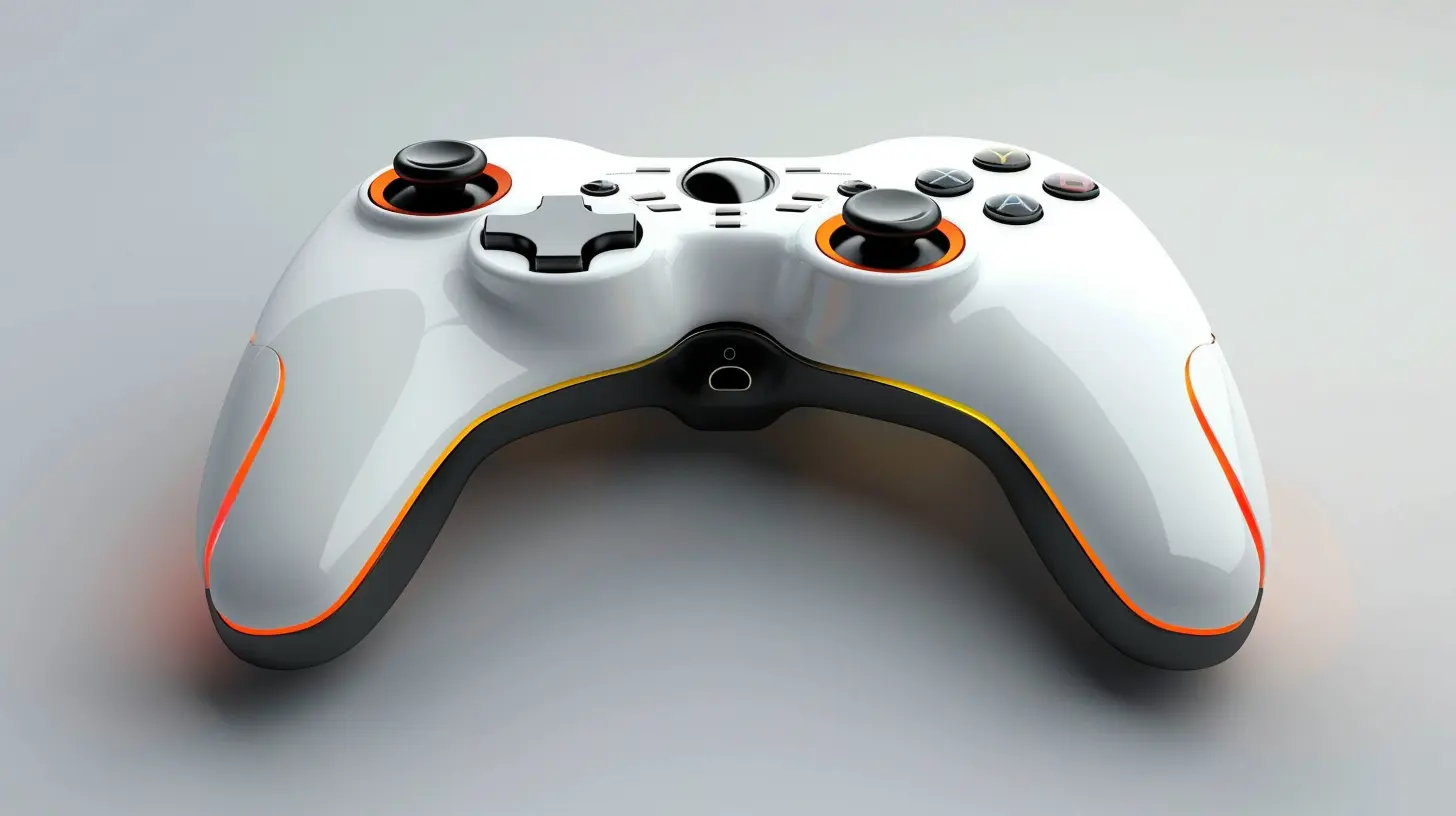
Accessibility: A Game-Changer for Everyone
Gaming is for everyone. At least, it should be. But traditional controller designs unintentionally exclude people with disabilities. That’s been changing—and it’s beautiful to watch.Adaptive Controllers
Microsoft’s Adaptive Controller and Sony’s Project Leonardo (now called the Access controller) are designed for inclusion. You can reconfigure buttons, attach custom inputs, and tailor the device to specific mobility needs.This isn't just "nice." It's necessary. And it opens the door for more players to be part of the community—and the competition—on their own terms.
Custom Mapping and Profiles
Even on traditional controllers, the ability to remap buttons or save profiles for different games makes a huge difference—especially in games where reaction time is key. If you can’t reach the bumper with ease, remap it. Done.Latency and Response Time: Don't Sleep on It
Let’s talk tech for a second. Controller latency (a.k.a. input lag) is the delay between pressing a button and seeing the action occur on screen.Wired vs Wireless
Wired controllers tend to have slightly lower latency than wireless ones. That’s why pro gamers often prefer them—it’s all about precision. In FPS or fighting games, that split-second delay can be the difference between victory and a humiliating defeat.But with tech advancements like Bluetooth 5.0 and custom chipsets, even wireless controllers are catching up. The key is how well the controller is engineered, and whether it’s optimized for the system it’s paired with.
Customization and Mod Culture
A controller that feels yours can elevate your gameplay more than you might expect.Swappable Parts and Mods
From adjustable thumbsticks to custom paddles (hello, Elite Series 2!), hardware customization lets you tweak your controller to better suit your hands, your games, and your style. Some mods even help reduce strain, prevent injury, or improve reaction times.And then there’s the aesthetic side—colors, LEDs, personal engravings. When your gear reflects who you are, you feel more connected to the experience.
Third-Party Controllers
Scuf, Razer, PowerA—these companies offer alternatives with built-in headshots in mind. Extra paddles, trigger stops, mappable buttons—these features give a tangible edge, especially in competitive scenes.But beware. Not all third-party controllers are created equal. Some sacrifice build quality, while others may not be compatible with firmware updates or certain games.
Genre-Specific Design Preferences
Yes, some controllers actually work better for specific types of games.Fighting Games
The fighting game community loves arcade sticks. Why? Because the button layout mirrors old-school cabinets. It’s faster, more precise, and just feels right for combos and cancels.Racing Games
Racing sims take a leap in realism with full-blown wheels, pedals, and force feedback. Even a well-designed controller with analog triggers can’t fully replicate the immersion of a racing rig.Shooters and Action Games
Back paddles, hair triggers, and thumbstick sensitivity curves—these can separate casual players from the top ranks in a shooter. That’s why so many controller mods are FPS-focused.Controller Design Through the Years: A Quick Timeline
Let’s take a nostalgic stroll.- Nintendo Entertainment System (1983) – The birthplace of the modern D-pad. Two buttons. Start. Select. Simple.
- PlayStation (1995) – Added shoulder buttons + iconic layout.
- N64 (1996) – Trident design and the first analog stick on a mainstream console.
- Xbox (2001) – The Duke was huge but laid the foundation for modern ergonomics.
- DualShock 4 and DualSense – Touchpads, gyros, lights, built-in mics.
- Elite & Adaptive Controllers – Turning personalization and accessibility into standard features.
Each evolution isn’t just about tech—it’s about feel, form, and function for real people.
The Emotional Connection We Don’t Talk About
We build an emotional bond with our controllers, whether we realize it or not. That weathered Xbox 360 controller that carried you through college? It’s more than plastic—it’s a memory bank. That glow-up custom PS5 controller you saved up for? That’s pride and personality molded into equipment.Controllers quietly hold our victories, our defeats, our late-night raids and weekend tournaments. Their design isn’t just functional—it’s emotional.
What’s Next in Controller Design?
The future is exciting. We’re already seeing:- AI-driven input recognition, where the controller adapts to your playing style
- Biometric feedback, like heart rate sensors for horror games
- Modular touch areas for on-the-fly control schemes
- Cloud-based configuration profiles across multiple devices
Soon, your controller may know you better than you know yourself.
So, What’s the TL;DR?
Controller design deeply impacts how we play, how well we play, and how much we enjoy playing. A well-designed controller is virtually invisible during gameplay—an intuitive extension of our minds and bodies. Comfort, features, responsiveness, and accessibility all come together to shape not just the experience, but the possibility of gaming itself.The next time you pick up a controller, think about what it’s doing behind the scenes. It’s not just a piece of hardware. It’s the silent co-op partner in every game you play.
all images in this post were generated using AI tools
Category:
Gaming ConsolesAuthor:

Marcus Gray
Discussion
rate this article
2 comments
Olympia Miller
This article effectively highlights how controller design significantly influences gameplay experience. By examining ergonomics, button layout, and feedback mechanisms, it exposes the critical relationship between design choices and player performance. A well-designed controller can enhance immersion, accessibility, and overall satisfaction, making it a crucial aspect of game development.
January 28, 2026 at 4:17 AM
Marcus Gray
Thank you for your insightful comment! I appreciate your recognition of the importance of controller design in shaping gameplay experiences.
Ford Gray
The design of controllers significantly affects player experience and game mechanics, influencing responsiveness, comfort, and overall enjoyment, which are crucial for immersive gameplay and user satisfaction.
December 28, 2025 at 1:00 PM
Marcus Gray
Absolutely, the design of controllers plays a pivotal role in shaping player experiences, as it directly impacts responsiveness and comfort, ultimately influencing immersion and enjoyment.