Exploring the Future of Mobile Health Apps by 2026
25 April 2026
Picture this: It’s 2026. You wake up, not to a screeching alarm clock, but to a gentle nudge from your phone that tells you your sleep cycles were perfect last night—no, really, perfect. Your phone already knows you had that late-night bowl of ice cream (thanks, smart fridge), and it’s gently suggesting a 10-minute yoga session to offset the sugar spike. Sound like science fiction? Nah. It’s just the future of mobile health apps, and it’s barreling toward us like a caffeinated squirrel on a skateboard.
We’re not talking about those clunky step counters from 2015 that guilt-tripped you for sitting too long. By 2026, mobile health apps will be less like a nagging parent and more like a witty best friend who knows your coffee order, your heart rate, and your weird habit of checking your phone while brushing your teeth. Let’s dive into this wild, quirky, and deeply human transformation.
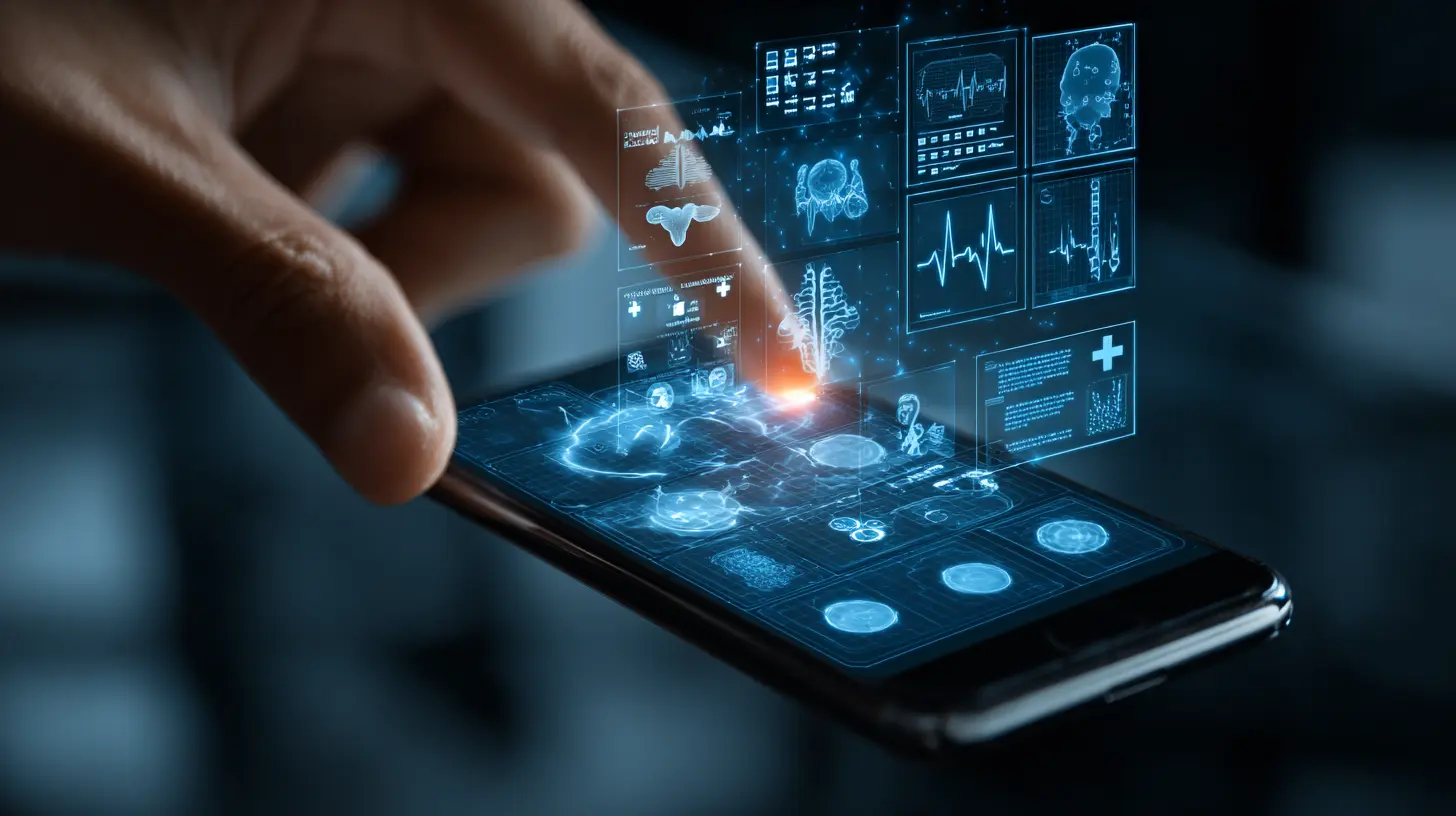
The Death of the "One-Size-Fits-All" Health App
Remember when health apps were basically glorified spreadsheets? You input your weight, your steps, and maybe your mood, and the app spat out a generic “Great job!” or “Try harder, slacker.” Yawn. By 2026, that’s as outdated as a flip phone in a Tesla.The future is hyper-personalization. I’m talking apps that don’t just track your data—they understand it. Imagine an app that learns your circadian rhythm so well it knows you’re more likely to skip breakfast on Mondays. It doesn’t just remind you to eat; it sends a push notification with a recipe for a smoothie that takes 90 seconds, because it knows you’re rushing to a 9 AM meeting. That’s not creepy—it’s thoughtful. It’s like having a tiny health concierge living in your pocket, minus the judgmental side-eye.
How does this work? Artificial intelligence (AI) and machine learning (ML) are the secret sauce. By 2026, these algorithms will be so advanced they’ll analyze your biometrics, your habits, your location, and even the weather (because yes, rainy days make you crave carbs) to offer real-time nudges. No more generic “drink 8 glasses of water” advice. Instead, your app will chirp, “Hey, you’ve been sweating in that 30°C heat. Down a glass of water with electrolytes, champ.”
The Rise of the "Invisible" Health Monitor
Here’s a wild thought: By 2026, you might not even open your health app. It’ll just… work. Think of it like the force field in Star Trek—always on, always protecting, but never in your face.Wearables are getting smaller, smarter, and more invisible. Smart rings, smart patches, even smart tattoos (yes, that’s a thing) will stream data directly to your phone without you lifting a finger. Your app will passively monitor your heart rate variability, blood oxygen levels, and even your stress hormones through sweat. It’ll know you’re about to have a panic attack before you do—and it’ll suggest a breathing exercise or play a calming soundscape.
But here’s the kicker: This level of monitoring raises a big, juicy question. Are we becoming too dependent on our phones to tell us how we feel? I mean, if an app says I’m “stressed” but I feel fine, do I trust the app or my gut? By 2026, the best apps will blend data with intuition. They won’t just tell you what’s happening; they’ll ask, “Hey, does this feel right to you?” That’s the human touch in a digital world.
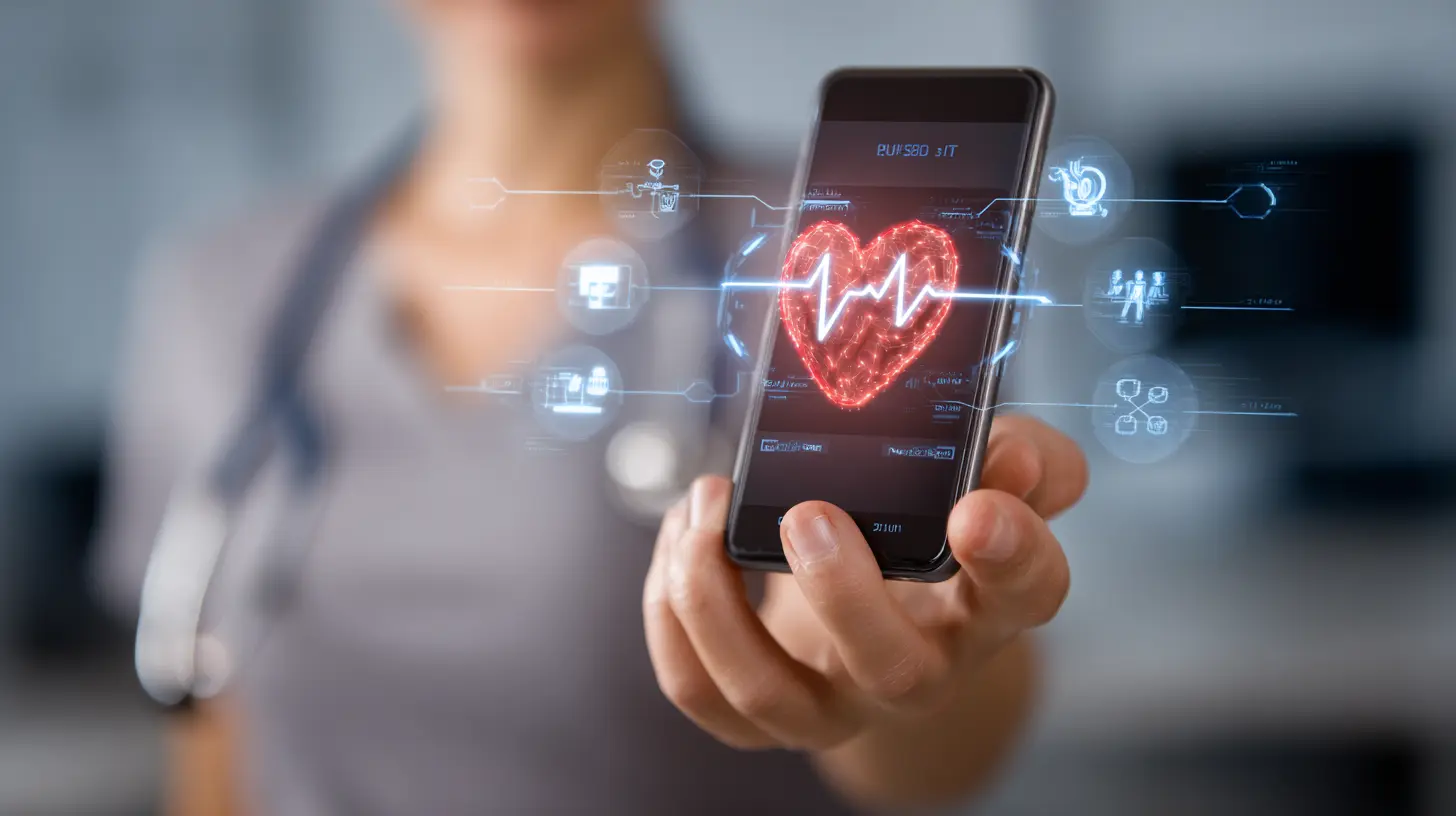
The Doctor Will See You Now… in Your Living Room
Telemedicine had its moment in the pandemic spotlight, but by 2026, it’ll be a full-blown rockstar. Mobile health apps won’t just track your vitals—they’ll connect you to a doctor faster than you can say “WebMD hypochondria.”Imagine this scenario: You’ve got a weird rash that looks like a map of Australia. Instead of Googling it and convincing yourself it’s terminal, you open your health app, snap a photo, and an AI triage system analyzes it. Within seconds, it says, “Looks like contact dermatitis. But let’s check with Dr. Kim.” A video call connects you to a dermatologist who’s already seen your photo and your allergy history. You’re prescribed a cream, and it’s delivered to your door by drone. All without leaving your couch. That’s not convenience—that’s a revolution.
But wait—there’s a catch. What about privacy? Your health data is like your diary, except it’s written in binary. By 2026, apps will need to be Fort Knox-level secure. Blockchain might step in to encrypt your records, giving you control over who sees what. You’ll have a digital health key, and you’ll decide which doctors, apps, or even family members get access. It’s like a VIP pass to your own body.
Mental Health Gets a Digital Hug
Let’s be real: The last few years have been a roller coaster of anxiety. By 2026, mobile health apps will be mental health superheroes, capes optional.We’re moving beyond simple meditation timers. Imagine an app that uses your voice tone and typing speed to detect mood swings. You’re typing a frantic email at 2 AM? The app might gently pop up and say, “Whoa there, tiger. Take a breath before you hit send.” Or it might play a 30-second calming audio that mimics the sound of a cat purring (because science says that works).
Then there’s the rise of AI therapists. No, they won’t replace human therapists—they’ll be the first line of defense. Think of them as the “urgent care” for mental health. You’re feeling a wave of sadness? Your app’s chatbot, trained on thousands of therapy sessions, will guide you through a cognitive behavioral therapy exercise. It’s not a replacement for a real person, but it’s better than doom-scrolling Instagram.
But here’s the quirky part: Some apps might gamify mental health. You earn “calm points” for deep breathing. You unlock a “Zen Master” badge for meditating 30 days in a row. It sounds silly, but gamification works. By 2026, your mental health app might feel more like a video game than a clinic. And honestly? If that keeps us sane, I’m all for it.
The Social Side of Sick (and Healthy)
Health apps have historically been solitary affairs. You vs. your step count. You vs. your sleep score. But by 2026, they’ll get social—in a good way.Imagine a community feature where you can join a group of people who have the same chronic condition as you. It’s like a support group, but you can do it in your pajamas. You share tips, celebrate small victories (like walking 100 steps after surgery), and vent about insurance. The app facilitates it, but the humans do the heavy lifting.
Even better? Competitive health challenges with friends. You know those Fitbit challenges where you try to out-walk your coworker? By 2026, they’ll be way more nuanced. Your app might challenge you to a “sleep quality showdown” or a “stress reduction race.” The winner gets a digital trophy and bragging rights. It’s like Pokémon Go for your vital signs.
But here’s the twist: These social features will also be a safety net. If your app detects that you haven’t moved in 24 hours or your heart rate is dangerously erratic, it can alert a trusted friend or family member. It’s like having a guardian angel with a smartphone.
The Elephant in the Room: Data Privacy
Okay, let’s address the giant, glowing elephant in the room. All this data—your heartbeats, your moods, your bathroom habits—is a goldmine for companies. By 2026, there’s a real risk that health apps could sell your data to insurers, advertisers, or worse.But here’s the good news: Consumers are getting savvier. We’ll demand transparency. Apps that are honest about data usage will win. Those that try to bury it in a 50-page terms-of-service agreement? They’ll get roasted on social media. Think of it like food labels: You want to know what’s in your granola bar, and you deserve to know what’s in your health app.
The future might also see “health data cooperatives”—groups of users who pool their data and negotiate with researchers or companies. You get paid for sharing your data (in app credits or even crypto), and you decide how it’s used. It’s like a union for your biometrics.
The Quirky, Unexpected Features Coming in 2026
Let’s have some fun. What are the weirdest, most unexpected features we might see?- The “Hangover Helper” Mode: Your app detects you had three cocktails (thanks, smart glass) and your sleep was fragmented. In the morning, it suggests a specific electrolyte drink, a light stretching routine, and a playlist of upbeat songs to shake off the fog. It’s like a digital mom, but cooler.
- The “Pet Effect” Integration: Some apps might sync with your pet’s health tracker. If your dog is restless, it might mean you’re anxious. Your app could suggest a walk—for both of you. It’s a two-for-one health boost.
- The “Voice of Reason” Feature: You’re about to order a triple-cheese pizza at midnight. Your app (connected to your food delivery account) politely suggests, “Remember that stomach ache last time? Maybe go for the veggie one.” It’s like having a nutritionist in your ear, but without the scolding tone.
- The “Mood-Based Playlist”: Using your heart rate and facial expression (via your phone’s camera), the app creates a custom soundtrack. Feeling sluggish? Here’s some Daft Punk. Feeling anxious? Here’s lo-fi beats to study/relax to. It’s like having a DJ who knows your soul.
The Human Element: Why This All Matters
Let’s zoom out. All this tech is cool, but what’s the point? The point is that by 2026, mobile health apps will help us live longer, happier, and more connected lives. They’ll catch diseases early, reduce stress, and make healthcare accessible to people in remote areas. They’ll turn health from a chore into a conversation.But here’s the most important thing: They’ll never replace the human touch. No app can hug you when you’re sad. No app can laugh with you at a bad joke. The best health apps of 2026 will be tools, not replacements. They’ll be the sidekick, not the hero.
So, as we hurtle toward this future, let’s embrace the weird, the wonderful, and the slightly creepy. Let’s ask our apps questions, challenge them, and—when they get it wrong—laugh it off. Because at the end of the day, health is about being human. And being human is messy, unpredictable, and full of ice cream at midnight.
Are you ready for 2026? Your phone sure is.
all images in this post were generated using AI tools
Category:
Mobile ApplicationsAuthor:

Marcus Gray
Discussion
rate this article
2 comments
Davina Erickson
This article highlights exciting possibilities for mobile health apps, promising a healthier future for everyone.
May 4, 2026 at 4:56 AM
Marcus Gray
I'm glad you found the article inspiring! The future of mobile health apps really does hold great potential.
Lillian Bryant
Exciting insights, looking forward!
April 29, 2026 at 3:26 AM
Marcus Gray
Thanks for the enthusiasm! I can't wait to see how these developments unfold.