How AI Will Enhance Your Entertainment Experience
22 June 2026
Let's be honest for a second. When you hear "AI" in the context of entertainment, your brain probably jumps to one of two things: either a robot writing a terrible movie script, or some algorithm suggesting you watch the same show for the tenth time. But the reality is way more interesting. We are standing at the edge of a massive shift in how we consume, create, and interact with entertainment. And no, I am not talking about Skynet taking over Netflix.
AI is not here to replace the fun. It is here to turbocharge it. Think of it like a really smart friend who knows your taste better than you do, can remix your favorite song instantly, and can even jump into a video game with you as a believable character. That sounds like science fiction, but it is happening right now. Let me walk you through how AI will actually enhance your entertainment experience, without the hype and the jargon.
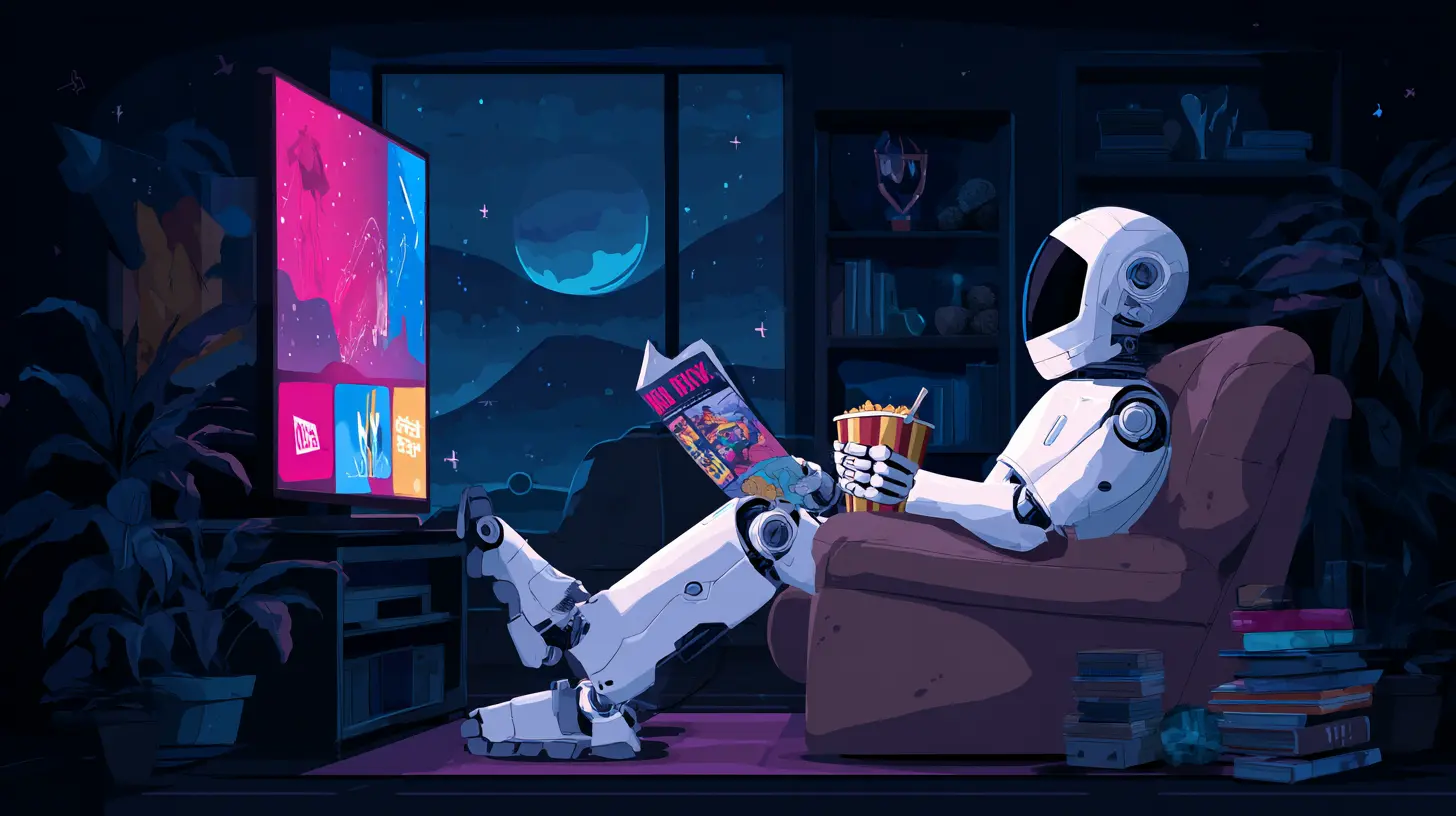
From Passive Watching to Active Participation
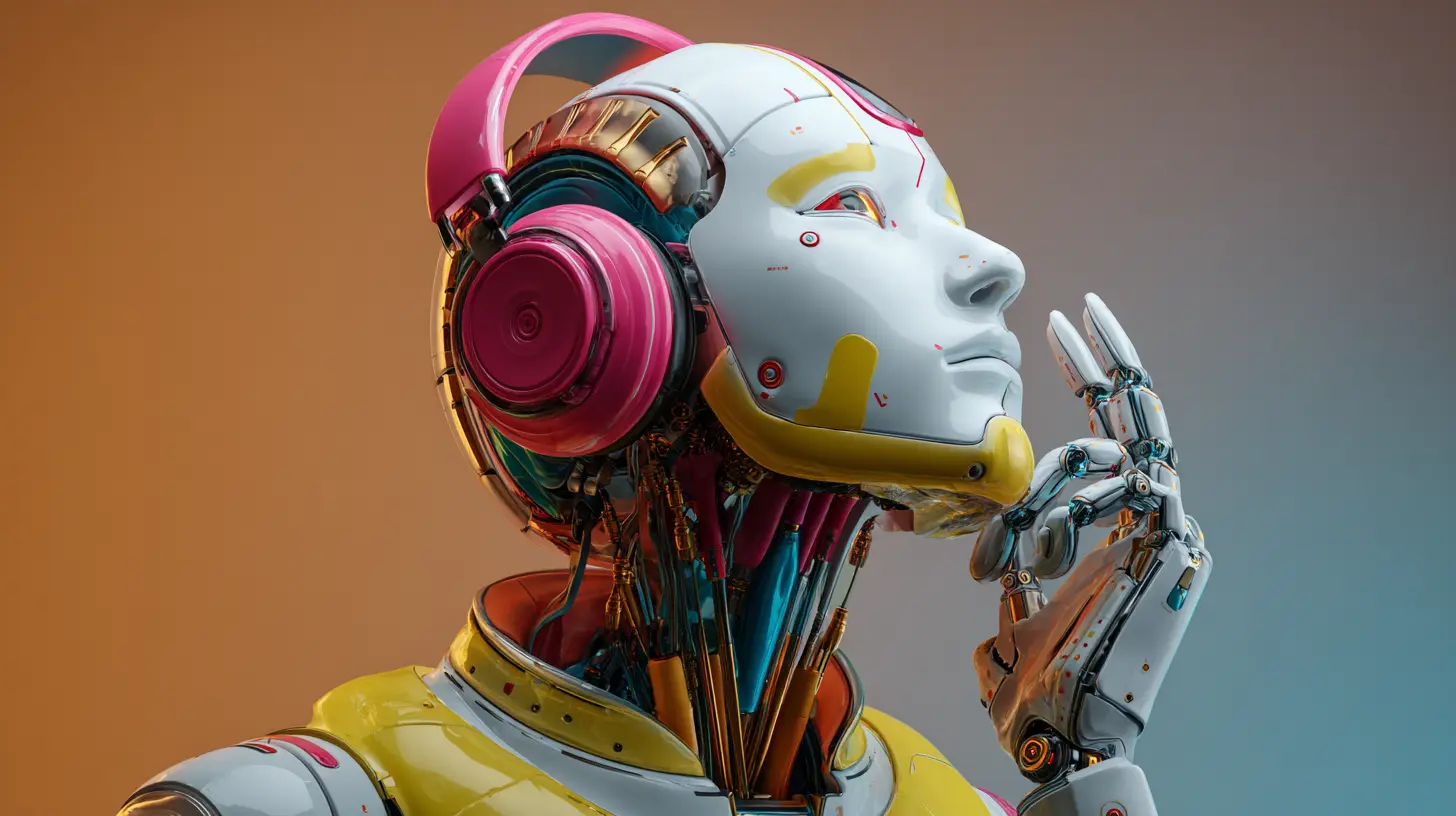
Remember the days when watching a movie meant sitting back and letting the story wash over you? That is still great, but AI is starting to blur the line between watching and doing.Imagine a horror movie where the AI tracks your heart rate through your smartwatch. When it senses you are getting too tense, it subtly shifts the music. It lets the tension breathe a little longer before the jump scare. Or maybe it does the opposite. Maybe it knows you came for a thrill, so it cranks up the suspense when your pulse drops. That is not a gimmick. That is a personalized nervous system for a film. You are no longer just a viewer. You are a participant whose biology influences the narrative flow.
This goes beyond heart rates. AI can analyze your past viewing habits, not just what you watched, but when you laughed, when you checked your phone, and when you rewound a scene. Then, it can offer alternative story paths. Think of it like a "choose your own adventure" book, but the choices are seamless and powered by your emotional data. You might watch the same movie twice and get two completely different experiences. That is not just entertainment. That is a relationship with the content.
The End of the "Boring" Recommendation
Let me ask you something. How many times have you scrolled through Netflix for forty-five minutes, only to give up and watch an episode of "The Office" for the hundredth time? The current recommendation system is broken. It is a blunt instrument. "You watched one action movie, so here is every action movie ever made." That is not personalization. That is laziness.AI is about to fix that with something I call "mood matching." Instead of just looking at genres, AI will understand your current state of mind. Did you have a rough day at work? The AI might suggest a cozy, low-stakes documentary about pottery. Are you feeling energetic? It might recommend a fast-paced heist film with a killer soundtrack. It will learn your micro-moods. It will know that you watch different things on a rainy Sunday afternoon versus a Friday night after three beers.
This is not just about algorithms. It is about context. AI will consider the time of day, the weather outside, who you are with, and even the device you are using. The result? You will spend less time searching and more time enjoying. The "boredom gap" between deciding what to watch and actually watching it will shrink to almost zero.
Music That Reads the Room
Music streaming services are already using AI to create playlists, but they are still mostly based on genre and artist similarity. That is like saying a chef only uses salt and pepper. The real magic is in the nuance.AI will soon generate music in real time that adapts to your activity. Are you running? The beat will sync with your stride. Are you studying? The AI will lower the tempo and remove vocals to reduce distraction. Are you throwing a party? It will read the room's energy through your phone's microphone and shift from lo-fi beats to dance tracks as the night progresses.
But here is where it gets wild. AI will let you remix any song, instantly. Do you wish the bass was heavier on that one track? Do you want to isolate the vocals for a karaoke night? Do you want to change the key so you can sing along without destroying your vocal cords? With AI, you will be able to tweak any song to your preference. You become the producer of your own listening experience. That is not just convenience. That is creative freedom handed to everyone.
Gaming Gets a Brain
If you are a gamer, you have already seen the tip of the AI iceberg. Non-player characters (NPCs) have been scripted for decades. They walk a set path. They say the same three lines. They are essentially cardboard cutouts.AI is about to make them feel alive. Imagine a game where the enemies learn from your tactics. If you always flank from the left, they will start guarding the left. If you favor headshots, they will wear helmets. They will adapt. They will communicate with each other in real time. They will show fear, hesitation, and even panic. You are not fighting a script anymore. You are fighting a digital brain.
This also applies to story-driven games. AI can generate dialogue on the fly. You can actually have a conversation with a character. You can ask them questions, and they will respond based on their personality, history, and current situation. The game will never play out the same way twice. Every playthrough becomes a unique story. That is the kind of replay value that keeps you coming back for years, not just weeks.
Content Creation for the Rest of Us
You do not need to be a Hollywood studio to make professional-looking content anymore. AI tools are democratizing entertainment creation. Want to make a short film? AI can generate backgrounds, sound effects, and even voiceovers. Want to write a novel? AI can help you brainstorm plot twists, develop characters, and even write entire chapters in your style.But here is the important part: AI is not the artist. You are. Think of AI as your assistant. It handles the boring, repetitive stuff so you can focus on the creative vision. It can take your rough idea and polish it. It can suggest alternatives you never considered. It can help you overcome writer's block by giving you a nudge in the right direction.
This is huge for indie creators. A single person with a laptop and an AI tool can now produce content that looks like it came from a team of twenty. That means more variety, more niche genres, and more voices in the entertainment space. The gatekeepers are losing their grip.
Live Events That Adapt to You
Concerts and live shows are about to get a serious upgrade. Imagine going to a concert where the visuals on the screen are generated by AI in real time. They react to the music, to the crowd's energy, and even to your own movements if you are wearing a sensor. The light show is not pre-programmed. It is alive.For sports fans, AI will offer personalized commentary. Do you want to hear the stats for your favorite player every time they touch the ball? Do you want the announcer to focus on defensive plays instead of offense? You can choose. You can watch the same game with a different broadcast tailored to your interests.
And for those of you who cannot be there in person, AI will create a virtual seat that feels real. Using 360-degree cameras and haptic feedback, you can feel like you are in the front row, even if you are on the other side of the world. The line between "attending" and "watching" will blur until it disappears.
The Dark Side You Need to Know
I would be lying if I said this was all sunshine and rainbows. There are real concerns. Privacy is the big one. For AI to personalize your entertainment, it needs data. A lot of it. Your heart rate, your facial expressions, your mood, your location. That is a treasure trove of information that companies could misuse.There is also the issue of creative ownership. If an AI generates a song based on your prompts, who owns it? You? The AI company? The artist whose style the AI was trained on? These are not simple questions, and they will require new laws and new ethical standards.
And finally, there is the risk of the "filter bubble." If AI only shows you what it thinks you want to see, you might never discover something truly new. You might get stuck in a comfortable rut. The magic of stumbling upon a random album or a weird foreign film could disappear. So, we need to design these systems to occasionally surprise us. To push us out of our comfort zone.
What This Actually Means for You
Let me wrap this up with a simple metaphor. Right now, your entertainment experience is like eating at a buffet. You see the same dishes every time. Some are good, some are bad, and you mostly stick to what you know.AI is about to turn that buffet into a personal chef. This chef knows your allergies, your cravings, your mood, and your history. They can cook you a meal that is exactly what you need, right now. They can also teach you how to cook your own meals. They can remix old recipes into new ones. They can even throw a dinner party where the menu changes based on the guests.
The technology is not the point. The experience is. AI will not replace the joy of a great movie, a perfect song, or an epic game. It will amplify it. It will make it feel more personal, more responsive, and more alive.
So, the next time someone tells you that AI is going to ruin entertainment, ask them this: Would you rather watch a movie that was made for everyone, or a movie that was made for you? The answer is obvious. And it is coming sooner than you think.
all images in this post were generated using AI tools
Category:
Ai In Daily LifeAuthor:
Marcus Gray
Discussion
rate this article
1 comments
Lena Diaz
AI is set to redefine entertainment by personalizing recommendations and creating immersive experiences. Get ready for tailored content that knows your preferences better than your best friend does... or at least tries.
June 27, 2026 at 10:47 AM
Marcus Gray
Absolutely! AI's ability to understand our likes and dislikes will make our viewing experiences more engaging and enjoyable than ever. Exciting times ahead!