How AI Will Revolutionize Home Cooking by 2026
11 May 2026
I'll be honest with you: I burned toast this morning. Not just a little charred, but full-on, smoke-alarm-blaring, wave-a-towel-under-the-sensor burnt. It's a humbling ritual that reminds me how far we are from the kitchen of the future. But here's the thing - by 2026, that future might be closer than we think. Artificial intelligence is creeping into every corner of our lives, and the kitchen is about to get a serious upgrade. We're not talking about robot butlers serving five-course meals (yet). We're talking about subtle, smart, and surprisingly human improvements that will change how you think about dinner.
The End of "What's for Dinner?" Panic
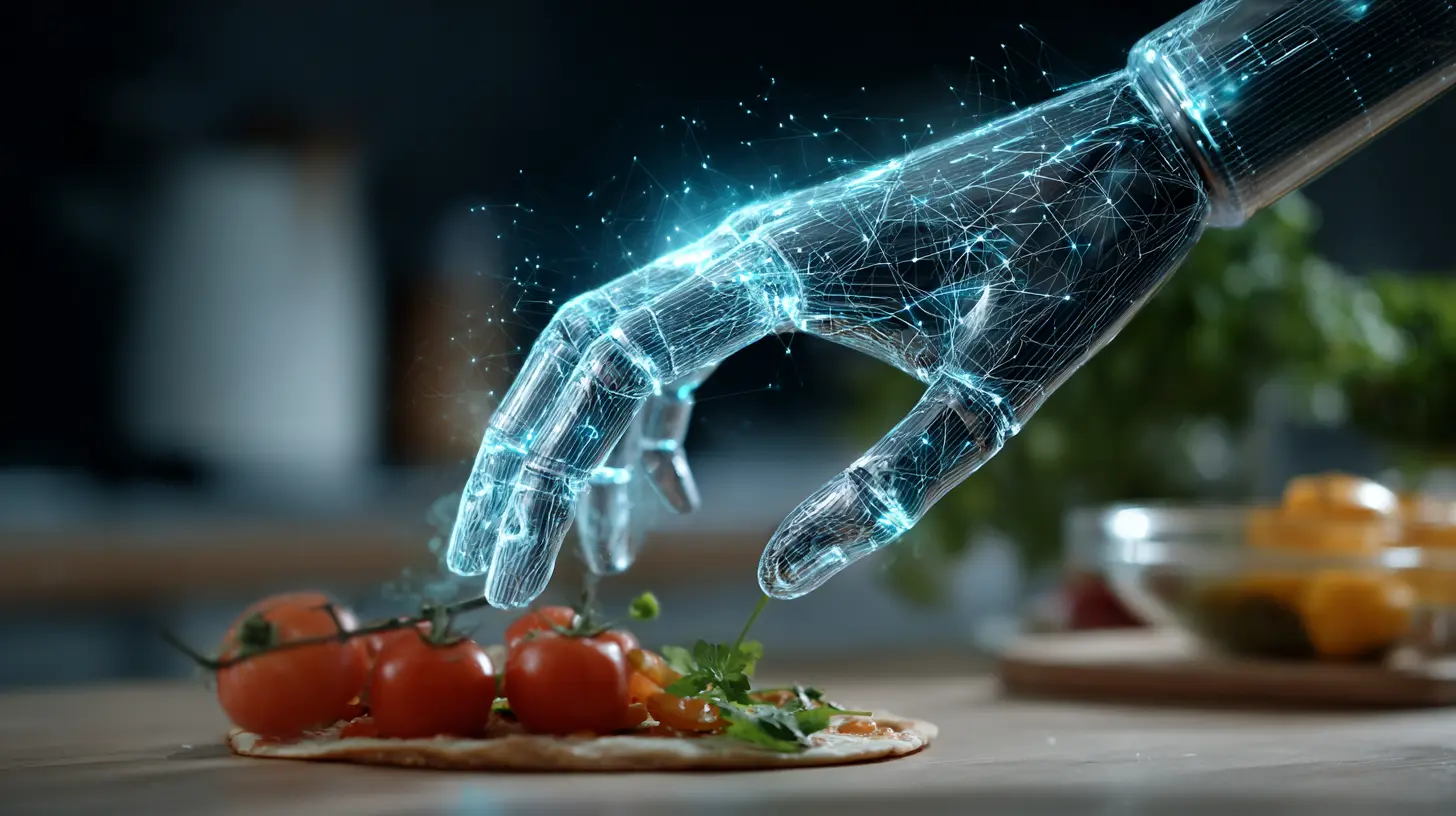
You know that 5:30 PM dread? You're tired, the fridge looks like a sad science experiment, and ordering takeout feels like defeat. AI is about to kill that feeling for good. Imagine opening your fridge, and a tiny camera snaps a picture of every shelf. That image gets analyzed by an AI that knows exactly what you have: three eggs, half a block of cheese, some wilting spinach, and leftover rice. Instead of staring blankly, you get a ping on your phone: "Spinach and Feta Frittata with Rice Cakes - 20 minutes, start to finish."By 2026, this won't be a gadget for tech geeks. It'll be baked into your fridge, your pantry, or your phone. The AI won't just suggest recipes. It'll learn your family's tastes. Hate cilantro? It remembers. Love spicy food? It cranks up the chili. It'll even consider your schedule - if you're in a rush, it suggests a 10-minute stir-fry. If you have a lazy Sunday, it recommends that slow-cooked ragu you've been meaning to try.
What's charming about this is how it takes the mental load off. Cooking isn't hard - deciding what to cook is the real work. AI turns that into a conversation. You say "I have chicken, broccoli, and a mystery jar of tahini," and it replies, "How about a sesame chicken bowl? Oh, and you're low on soy sauce - I added it to your shopping list."
Your Personal Sous Chef That Never Complains
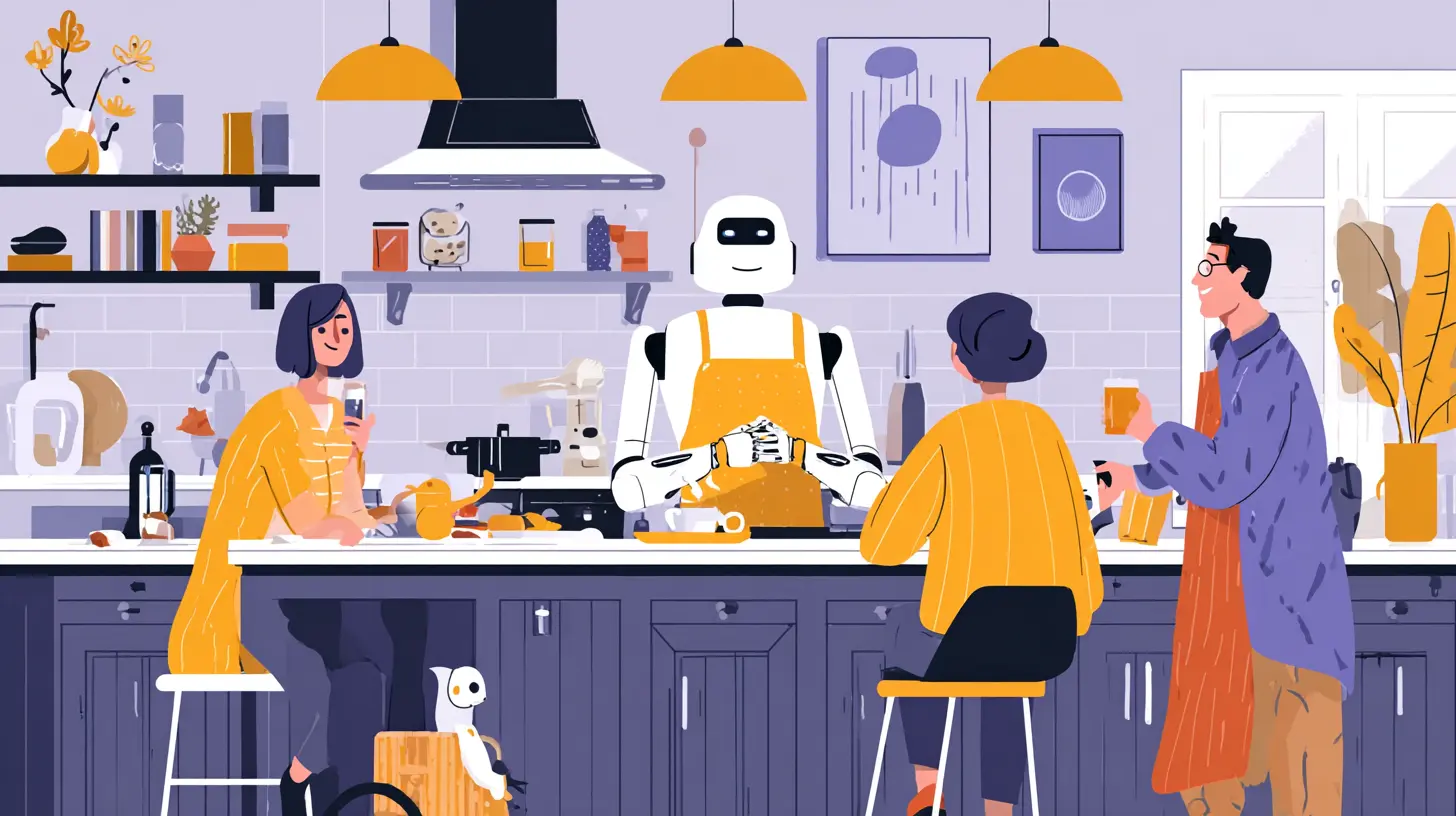
Remember that time you tried to follow a YouTube recipe and ended up with flour on the ceiling? AI is about to become the sous chef you always wanted. Not a robot that chops carrots (though those exist), but a voice assistant that actually understands context. By 2026, your kitchen speaker won't just play music. It'll guide you through a recipe step by step, but with a twist: it adapts in real time.You're making a sauce, and it's too thin. You say, "Hey, Chef, this needs thickening." The AI responds, "No problem. Mix a teaspoon of cornstarch with two tablespoons of cold water, then stir it in slowly." It's not reading from a script. It's pulling from a database of cooking science, adjusting for your exact situation. If you burn the garlic, it suggests starting over or salvaging with a splash of lemon juice. It learns from your mistakes - and your successes.
This is huge for home cooks who aren't confident. The AI becomes a safety net. You can ask "Is this chicken done?" and hold the probe up to your phone's camera. The AI uses computer vision to check the color and texture, then tells you exactly when to pull it from the heat. No more dry, sad chicken breasts. No more guessing.
Grocery Shopping Gets a Brain
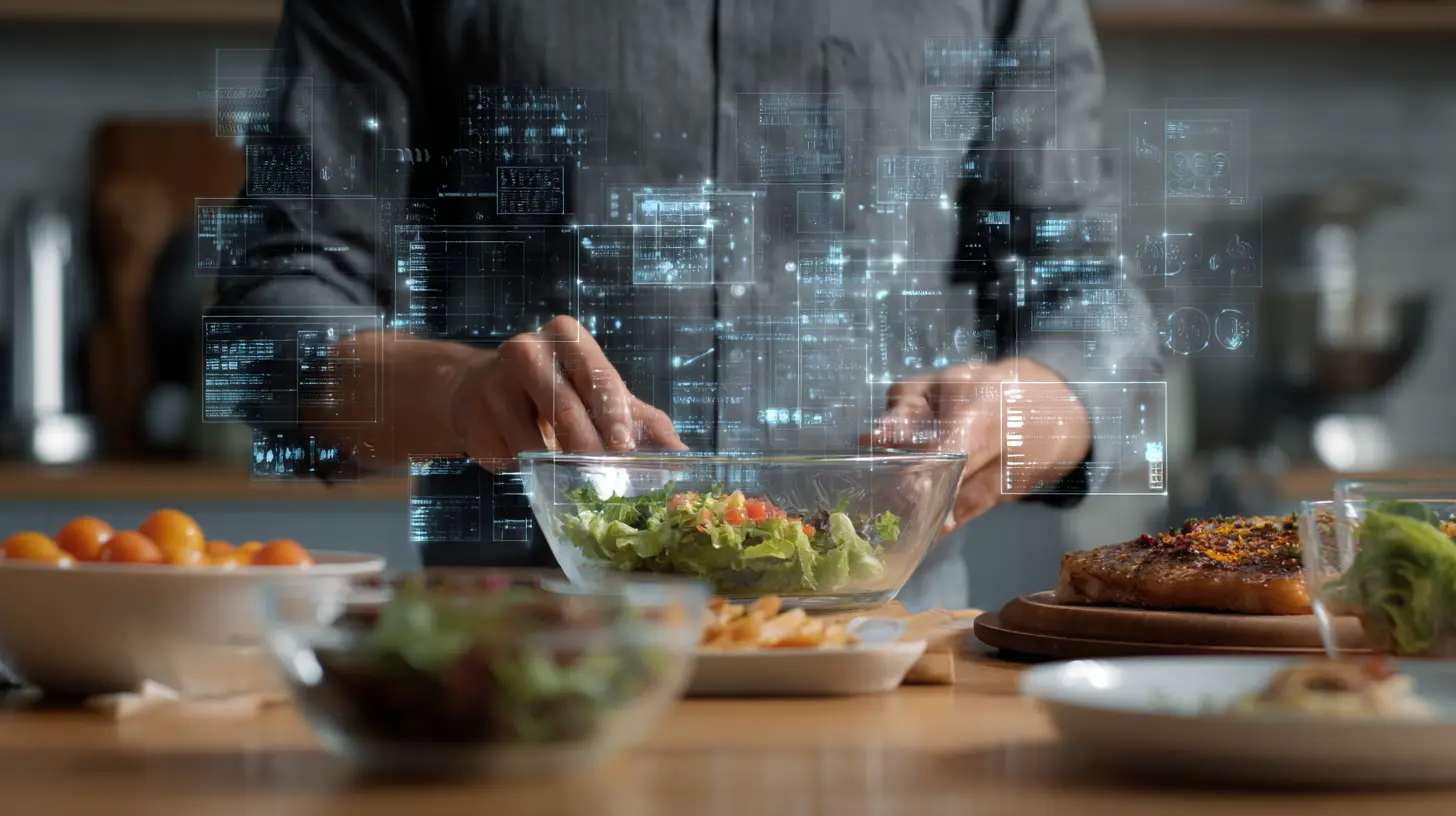
Let's talk about the grocery store. It's a place where good intentions go to die. You walk in with a list, but you leave with ice cream, a bag of chips, and no idea what happened. AI will fix this by turning your shopping into a collaboration. By 2026, your kitchen AI will sync with your grocery app. It knows what you used this week, what's about to expire, and what you're craving based on your recent meals.Here's the magic: it won't just add items to a list. It will suggest substitutions when something is out of stock. "The store is out of fresh basil, but you have dried oregano and a jar of pesto. Try this recipe instead." It'll also factor in sales and seasonality. If avocados are five dollars each, it might suggest a different salad. If bell peppers are on sale, it recommends a stuffed pepper recipe for tomorrow.
The result is less food waste and more creativity. You're not just buying ingredients; you're curating a week of meals that actually fit your life. And the AI gets better the more you use it. It learns that you always buy too many bananas, so it starts suggesting banana bread on day three. It notices you never use that fancy vinegar you bought, so it stops recommending recipes that call for it.

The Recipe Book Gets Rewritten
I love my grandmother's cookbook. It's stained, handwritten, and full of cryptic notes like "add a pinch of love." But let's be real - most recipe books are static. They don't account for your altitude, your oven's hot spots, or the fact that you're out of eggs. AI is about to make every recipe dynamic. By 2026, you'll be able to scan a recipe from any source - a blog, a magazine, a napkin - and have the AI adapt it instantly.You scan a recipe for chocolate chip cookies. The AI reads it, then says, "Your oven runs 25 degrees hot. I've adjusted the temperature. Also, you're at 5,000 feet, so I've added a tablespoon of flour and reduced the sugar slightly." It's like having a chef whisper in your ear, correcting every potential pitfall. And it doesn't stop there. It can scale recipes up for a party or down for a solo dinner. It can swap ingredients based on dietary restrictions - gluten-free, dairy-free, low-carb - without you having to guess.
This is the kind of revolution that feels small but changes everything. You're no longer a slave to a recipe. You're the director, and the AI is your script editor. It helps you improvise, adapt, and sometimes break the rules - but only when it knows the consequences.
Smart Appliances That Actually Talk to Each Other
Right now, your oven is dumb. It just sits there, waiting for you to push buttons. By 2026, your oven will be part of a kitchen ecosystem. Imagine this: your fridge tells your oven that you're making a roast chicken. The oven preheats to the perfect temperature based on the weight of the bird. Midway through cooking, the oven sends a message to your phone: "Chicken is at 145 degrees. Start the vegetables now." The induction cooktop knows exactly how long to simmer the rice, so everything finishes at the same time.No more juggling timers. No more cold sides while you wait for the main course. The AI orchestrates the whole meal like a conductor. It even learns your preferences - maybe you like your steak medium-rare, but your partner prefers medium. The AI remembers both settings and adjusts the cooking zones accordingly.
This sounds futuristic, but the tech is already here in pieces. The missing link is the AI brain that ties it all together. By 2026, that brain will be cheap, fast, and embedded in everything from your toaster to your coffee maker. Your morning coffee will be brewed to your exact taste, based on how you slept (your smartwatch tells the AI) and what time you need to leave (your calendar syncs). It's not just convenience - it's a kind of gentle care.
The Health Coach in Your Kitchen
We all have that friend who eats kale chips and judges our frozen pizza. AI will be the opposite of that friend. It won't shame you. It'll nudge you. By 2026, your kitchen AI will track your nutritional intake without you having to log a single thing. It sees what you cook and eat. It knows you had a heavy lunch, so it suggests a lighter dinner. It notices you've been skipping vegetables for three days, so it recommends a colorful stir-fry.But here's the key: it does this with charm, not guilt. It might say, "Hey, I see you've been eating a lot of carbs this week. How about a zoodle pasta? I promise it's actually good." Or, "You're low on vitamin C. I found a great recipe for citrus salmon. Want to try it?" It's like having a nutritionist who actually lives in your kitchen and doesn't charge by the hour.
This is especially powerful for people with specific health needs. If you're diabetic, the AI will automatically adjust recipes to keep blood sugar stable. If you're on a low-sodium diet, it will suggest salt substitutes and recalculate the sodium content. It's personalized medicine through food, without the hassle.
The Social Side of Cooking
Cooking is often a lonely activity, especially if you live alone. AI will change that by making the kitchen more social. By 2026, you'll be able to cook with friends virtually. Your AI will sync with theirs, so you're both making the same dish at the same time. The AI acts as a shared guide, timing each step so you're both chopping, stirring, and plating together. You can video chat while you cook, and the AI stays in the background, ready to answer questions.This is perfect for long-distance relationships, college kids learning to cook, or just friends who want to hang out without leaving home. It turns cooking from a chore into an event. And the AI learns from these shared sessions - it notices which recipes your group enjoys and suggests them for future virtual dinner parties.
But Will It Take the Joy Out of Cooking?
I can hear the skeptics already. "If AI does everything, where's the fun?" It's a fair question. Cooking is about creativity, imperfection, and the smell of garlic hitting hot oil. AI won't replace that. It'll handle the boring parts - the math, the timing, the cleanup reminders - so you can focus on the joy.Think of it like GPS. You still drive the car. You still choose the scenic route. But you don't have to worry about getting lost. AI in the kitchen is the same. It gives you the confidence to try new things. You might never have attempted homemade pasta without a guide. With AI, you'll try it, fail a little, learn, and eventually make something amazing. The AI is there to catch you, not to take over.
And let's be honest: sometimes you just want a perfect, hassle-free meal. AI can do that too. But it'll also encourage you to experiment. It'll suggest a weird spice combination you'd never think of. It'll say, "You know what goes great with that? A splash of fish sauce." You'll trust it, because it's earned that trust by never ruining your dinner.
The Bottom Line
By 2026, home cooking will look different. Not because we'll have robot arms flipping pancakes, but because AI will become a quiet, helpful presence in our kitchens. It'll save us from decision fatigue, rescue us from burnt pans, and teach us to cook better without making us feel stupid. It'll reduce food waste, save money, and maybe even make us healthier. And it'll do all of this with a personality that feels like a friend, not a machine.I'm still going to burn toast sometimes. Some things are just tradition. But the next time I do, I'll probably have an AI that says, "Hey, I noticed you left the toaster on high. Want me to set a timer for next time?" And I'll say yes. Because that's the future I want - one where technology makes my life easier, not harder, and where dinner is something to look forward to, not dread.
all images in this post were generated using AI tools
Category:
Ai In Daily LifeAuthor:

Marcus Gray
Discussion
rate this article
2 comments
Sebastian McGehee
This article insightfully explores how AI advancements will transform home cooking, enhancing convenience and personalization. Predictive algorithms for ingredient management and smart kitchen devices could redefine meal preparation, making cooking more accessible and enjoyable for everyone by 2026.
May 29, 2026 at 12:40 PM
Marcus Gray
Thanks for your thoughts! I agree that AI has the potential to make cooking not just easier, but also more fun and tailored to our tastes. Exciting times ahead!
Julia Kelly
Exciting times ahead for home cooks! Can't wait to see how AI makes cooking easier and more fun by 2026... Let's embrace it!
May 12, 2026 at 12:29 PM
Marcus Gray
I totally agree! The future looks bright for home cooking, and I'm excited to see the innovations that will make our time in the kitchen more enjoyable.