Robotics in Construction: Building the Future with Precision
27 June 2025
The construction site is no longer just hammers and hard hats. A quiet revolution is underway—one that hums with the whirring of robotic arms, hums with AI-driven cranes, and pulses with the rhythm of automation. It’s not science fiction anymore. Welcome to the world where robotics in construction is not just an idea… it’s a full-blown reality.
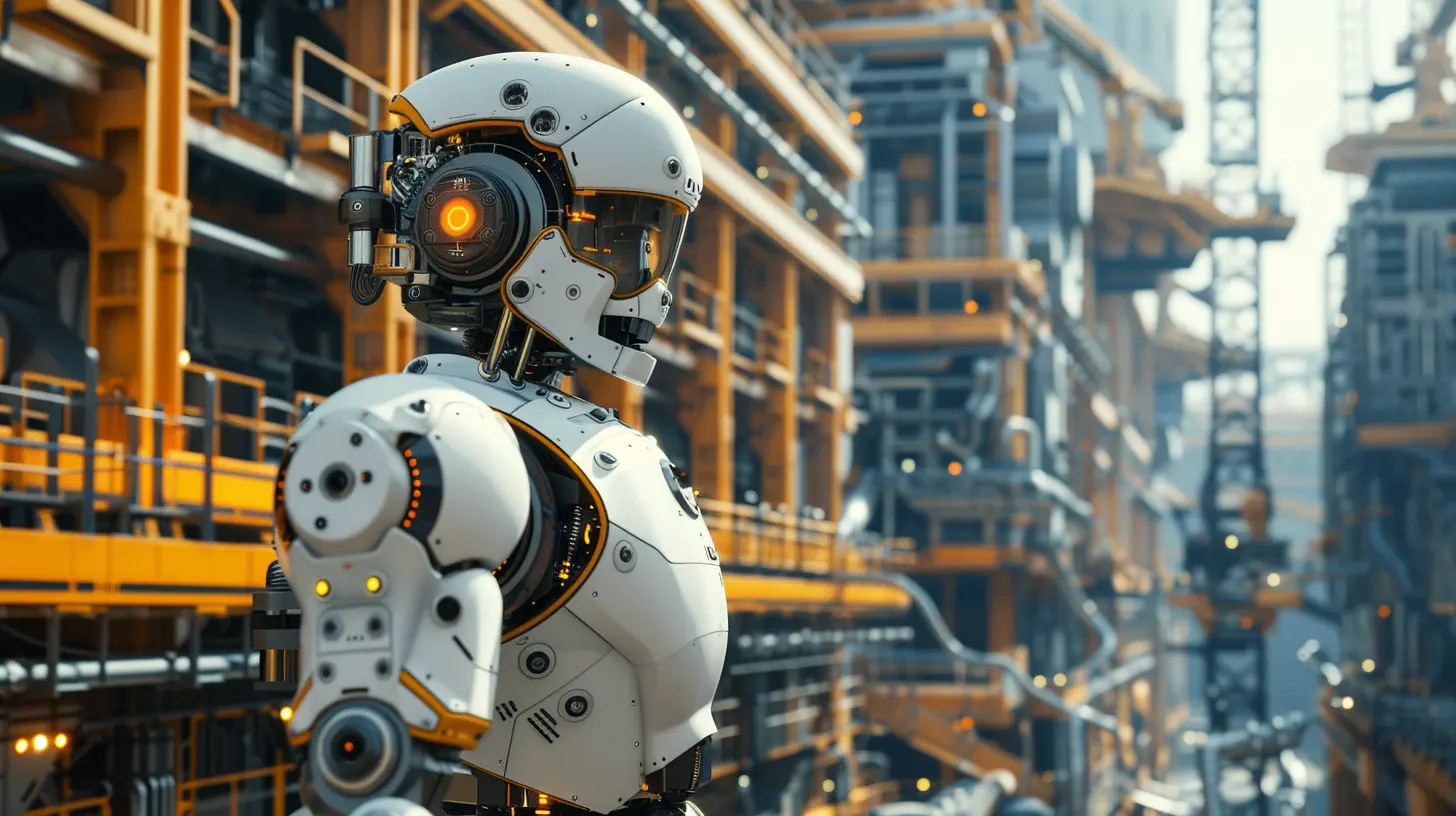
The Dawn of a New Era in Construction
Let’s face it—construction has always been a gritty, complex industry. It’s one of the few sectors where deadlines constantly teeter on the edge, budgets balloon faster than ever, and human error lurks around every corner. But what if we could change all that? What if machines could handle the heavy lifting, think ahead of time, and operate with laser-sharp accuracy?That’s where robotics steps in.
From robotic bricklayers to 3D-printing machines building houses overnight, robotics in construction is reshaping how we build, where we build, and even how fast we can do it. Intrigued? You should be.

Why Robotics in Construction Is Gaining Ground
So, why the sudden interest in construction robots?Let’s break it down:
- Labor Shortages: It’s no secret—the construction industry is struggling to find skilled labor. Robots don’t take sick days.
- Worksite Safety: Working at high altitudes or dealing with hazardous materials isn't the safest gig. Robots can step in and reduce risk.
- Speed & Efficiency: Machines don’t tire. They don’t stop for lunch. They keep going—and that means faster project timelines.
- Precision: You can’t match a robot’s accuracy with human eyesight and muscle. No offense, but machines are designed to be flawless.
These aren’t just minor benefits. They're game-changers.
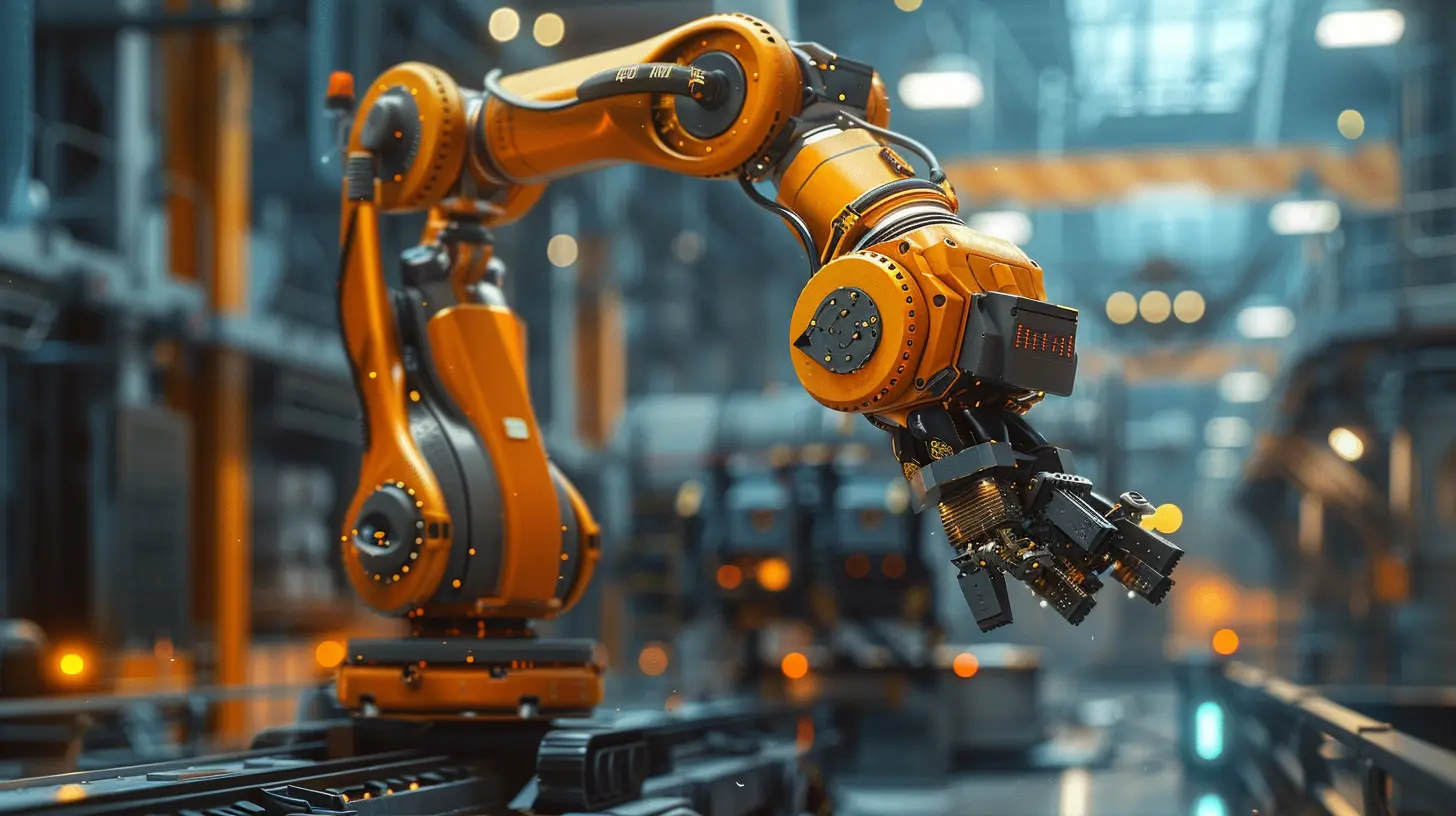
Meet the Mechanical Crew: Types of Construction Robots
Alright, let’s meet the stars of the show. These aren’t just clunky metal contraptions rolling around on site. They’re sleek, smart, and downright revolutionary.1. Robotic Bricklayers
Imagine a bricklaying robot that can place 1,000 bricks an hour. Yep, it exists. One machine, known as SAM100 (Semi-Automated Mason), works alongside human masons and can do in a day what a team might take several to achieve.Think of it this way: SAM’s the Iron Man of bricks—fast, precise, and unstoppable.
2. Drones
Now, you might say drones aren’t exactly “robots,” but in the world of construction, they’re indispensable. These flying machines conduct land surveys, create 3D maps, even inspect tall structures—all without putting a single human in danger.Pretty futuristic, right?
3. 3D Printing Robots
Ever thought a house could be printed? No, really—3D printing isn’t just for tiny plastic toys. Giant 3D printers are now capable of crafting entire buildings with minimal waste and lightning speed.It’s a bit like frosting a huge cake with concrete. Deliciously efficient.
4. Autonomous Construction Vehicles
Self-driving isn’t just for Teslas anymore. Autonomous bulldozers, excavators, and dump trucks are rolling into sites, guided by GPS and AI to move earth, dig trenches and more—without any human help.Welcome to the age of robotic earth movers.
5. Rebar-Tying and Welding Robots
These bad boys handle some of the most repetitive and physically taxing tasks on-site, like tying rebar grids and precise welding. Think of them as the tireless underdogs keeping the foundations strong and secure.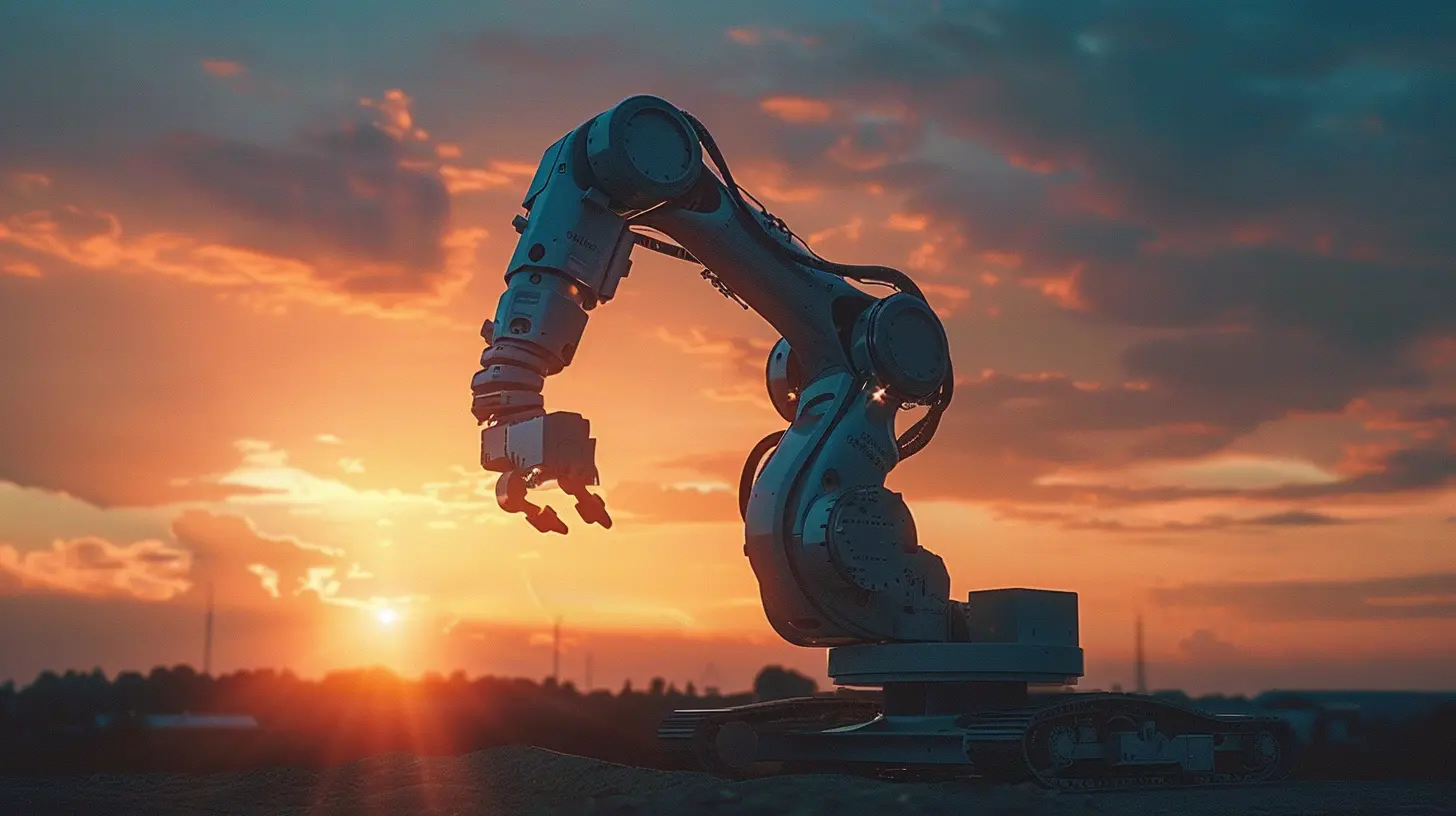
The Magic Behind the Machines: Technologies That Power Construction Robots
So, what's under the hood? How are these machines so smart, so accurate, and so…human-like?Here’s the tech that’s making it all possible:
Artificial Intelligence (AI)
AI is the brain behind the bots. It helps machines “think”—making decisions, adjusting to surroundings, and optimizing performance in real time.Imagine a bulldozer that knows exactly how much dirt to move, where to go next, and how to do it with minimal fuel. That’s AI in action.
Machine Learning
This goes hand-in-hand with AI. Over time, construction robots—even ones that handle welding or laying bricks—can learn from past tasks. The more they work, the smarter they get.Yes, robots can have a learning curve—except this one only goes up.
Sensors & Vision Systems
Equipped with LiDAR, cameras, and various sensors, these robots can “see” in 3D. They scan environments, detect obstacles, and adjust in real-time. It’s like equipping them with superhuman sight.GPS & Spatial Mapping
Precision is everything in construction. With high-grade GPS, construction bots can navigate with pinpoint accuracy, helping with layout, digging, and surveying.Plot twist? Some of them are more accurate than your smartphone’s Uber rides.
Real-World Applications: Where It’s Happening Right Now
This isn’t a “someday” kind of deal. Robotics in construction is happening now—and changing the game across the globe.Printing Homes in a Flash
In countries like the U.S., Netherlands, and Mexico, companies like ICON and Apis Cor are printing entire homes in just a few days. These homes are affordable, sustainable, and built to withstand natural disasters.Yeah, it’s real. And it’s awesome.
Smarter Roads and Bridges
Robotic systems are being used to build and maintain critical infrastructure like roads, bridges, and tunnels. They reduce human exposure to danger and speed up processes like rebar installation or concrete pouring.Tokyo’s Robotic High-Rises
Japan has long been a tech pioneer, and their construction sector is no exception. Robotics are used in high-rise buildings to stack materials, install glass, and even assist with electrical work—all while reducing manpower and enhancing safety.
The Benefits Go Beyond Just Speed
Sure, faster building times are great. But the ripple effects of robotics in construction go way deeper.1. Reducing Waste
Traditional construction methods can be incredibly wasteful. With precise measurements and automated processes, robots help reduce material waste, which is good for the planet and your wallet.2. Improving Safety
Let’s be honest—construction sites can be dangerous. Slip-ups happen. By taking humans out of the riskiest jobs, robots help cut down injuries and even save lives.3. Cutting Costs
While the upfront cost of a robot might make you flinch, the long-term savings are substantial. Fewer errors. Less waste. Faster timelines. That’s money in the bank.4. Enhancing Quality
Robots don’t get tired or distracted. That means each brick, weld, or beam is placed with the same level of care. Think of it as craftsmanship with a motherboard.What’s the Catch?
Okay, so robotics in construction sounds amazing—but nothing’s perfect, right?Here’s the reality check:
- High Initial Cost: Buying a robotic system isn’t cheap. For small companies, the cost can be a barrier.
- Skill Shortage in Tech: You need skilled workers to operate and maintain these robots. And guess what? Those skills are in short supply.
- Job Displacement Fears: There’s a real concern about robots replacing human jobs. But let’s look at it differently—automation takes over repetitive tasks, leaving creative problem-solving to humans. Plus, it’s opening up an entirely new industry of robotics maintenance and oversight.
The Road Ahead: What’s Next for Robotic Construction?
Here’s the really exciting part. We’re just scratching the surface.Imagine AI-managed construction sites where drones, bots, and autonomous vehicles all work in perfect sync—communicating, analyzing, acting. Think of a swarm of smart machines working like a symphony, guided by data and precision.
We’re talking about future cities rising like Legos, about disaster-struck zones being rebuilt in record time, about homes being ‘printed’ for the homeless overnight. Add in green tech and clean energy, and we’re building not just smarter, but better.
No more broken deadlines. No more cutting corners. No more wishing for miracles.
Just machines doing what we design them to do—only faster, stronger, and with fewer flaws.
Final Thoughts: The Future Is Already Under Construction
So, robotics in construction? It's not a maybe. It's a now. It's real. It's happening.Like a new digital blueprint for how we build the world, robotics is rewriting the rules with every passing day, redefining what's possible within concrete and steel. It’s not about replacing humans—it’s about enhancing human potential, preserving lives, and pushing the limits of creativity in construction.
We’re not just building smarter structures anymore—we’re building the future.
Are you ready for it?
all images in this post were generated using AI tools
Category:
RoboticsAuthor:

Marcus Gray
Discussion
rate this article
2 comments
Jemima McIntyre
Exciting times ahead! Robotics will revolutionize construction with unmatched precision!
March 14, 2026 at 12:43 PM
Marcus Gray
Absolutely! The impact of robotics on construction is already shaping a more efficient and precise future. Exciting innovations are just around the corner!
Candace Henson
Robots in construction? Finally, a chance for my house to be built without a single ‘oops’! Just imagine: a robot architect arguing with a human over the best way to install a door!
July 3, 2025 at 10:31 AM
Marcus Gray
Indeed, the blend of robotics and human creativity can lead to a more efficient and precise construction process, minimizing errors while still allowing for collaboration and innovation!