The End of Email? Smarter Tools for Team Communication
20 June 2026
Let's be honest for a second. When was the last time you opened your email inbox and felt a spark of joy? Probably never. For most of us, email is a digital graveyard. It's where tasks go to be forgotten, where "urgent" messages sit unread for three days, and where the dreaded reply-all thread lives forever. We've all been there-scrolling through a chain of 47 emails just to find one attachment, only to realize you're on the wrong thread entirely. It's exhausting.
But here's the big question: Is email actually dead? Or are we just too scared to admit it's on life support? The truth is, email isn't gone yet. But for team communication, it's becoming the old, clunky station wagon in a world of sleek electric cars. Smarter tools are taking over, and they're not just "nice to have"-they're becoming essential for how we actually get work done. Let's dig into why email is losing its grip and what's replacing it.

The Email Trap: Why We Hate It
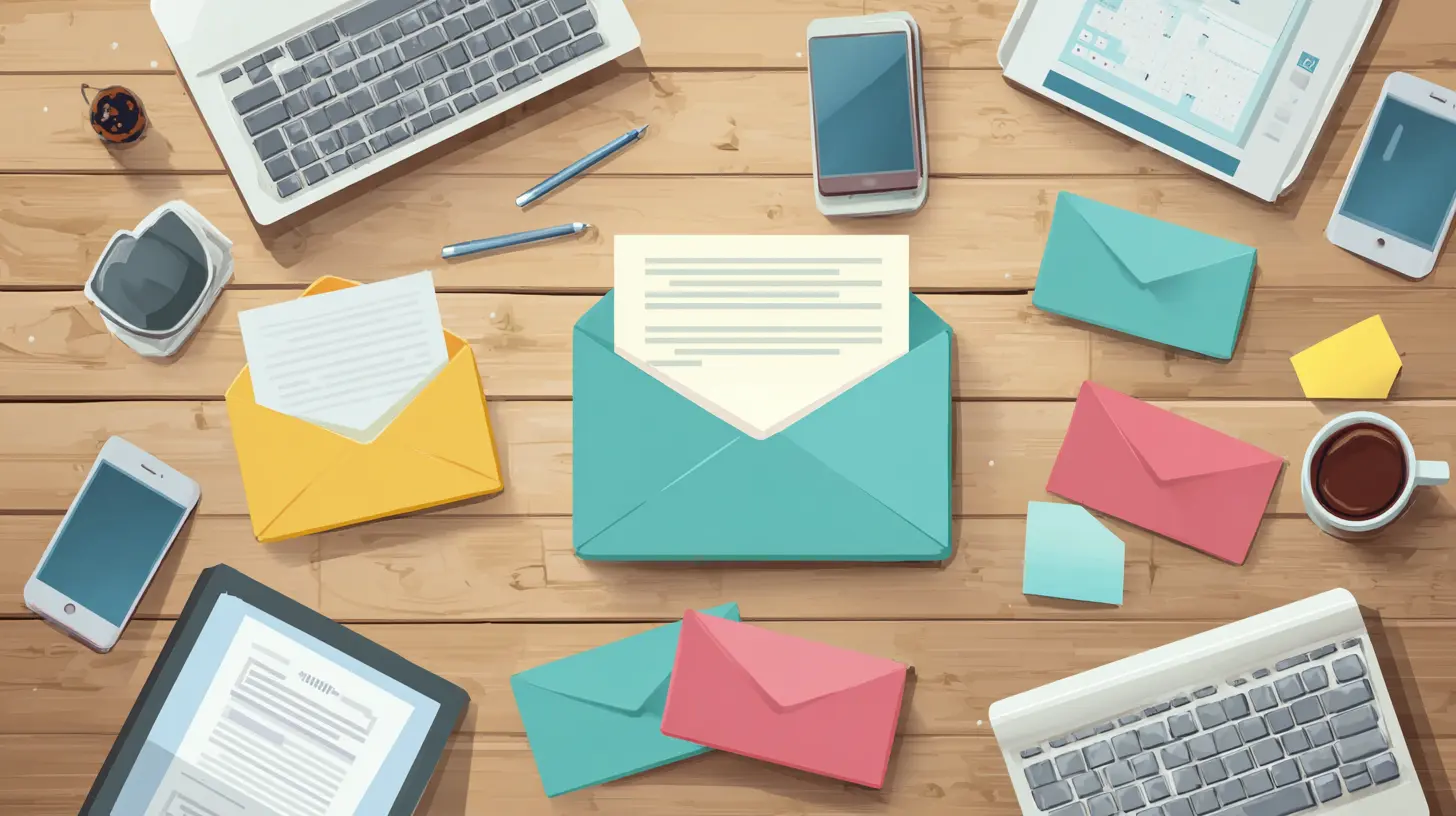
First, let's talk about the pain. Email was designed for a different era-a time when sending a message took hours, not seconds. It was built for formal correspondence, not real-time collaboration. But today, we use it for everything: project updates, quick questions, file sharing, meeting notes, and even water-cooler jokes. That's like using a Swiss Army knife to build a house. It works, but it's messy and slow.The biggest problem? Context. In a typical team, you might have 10 people working on a project. Someone sends an email with a question. Two people reply. Someone else replies-all with a suggestion. Then a fourth person replies-all to correct the suggestion. By the time you scroll to the bottom, you've lost the original point. It's like trying to follow a conversation in a crowded bar where everyone is shouting over each other. You catch bits and pieces, but the main message is gone.
Then there's the inbox zero myth. We've all tried to achieve it. You spend an hour cleaning up, archiving, and labeling. But by the next morning, you're back to 50 unread messages. It's a hamster wheel. And let's not forget the silent killer: email anxiety. That little red badge with the number "99+"? It's not just a number-it's a weight on your chest. It tells you that you're failing to keep up. No wonder burnout is through the roof.
The Rise of Smarter Tools: What's Different?
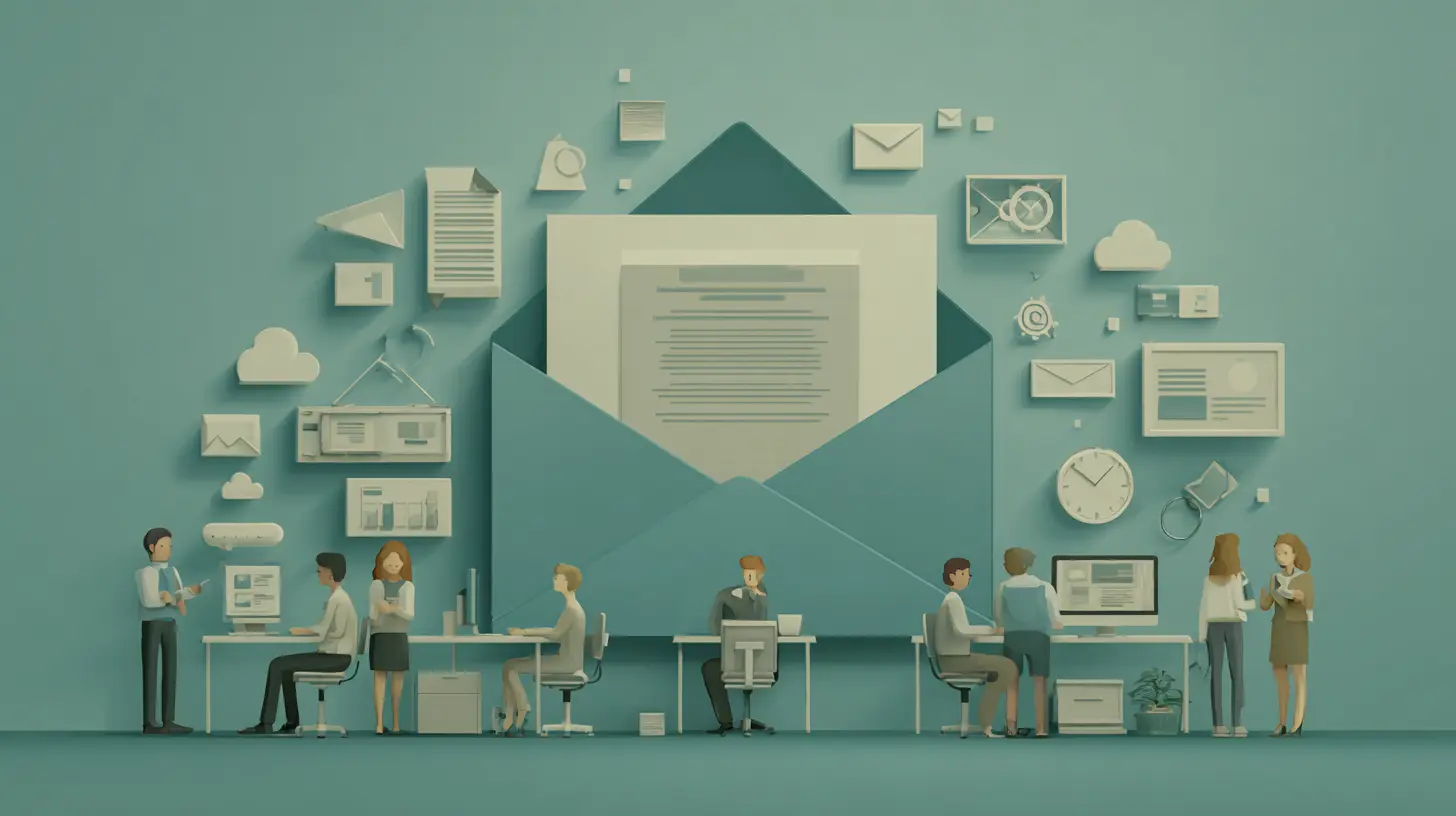
So, what's the alternative? It's not one tool. It's a whole ecosystem of smarter communication platforms that treat messages like conversations, not documents. Tools like Slack, Microsoft Teams, Discord, and even newer players like Twist or Basecamp are redefining how teams talk. The core shift? They prioritize threads over threads-meaning organized, searchable, and asynchronous conversations.Think of it like this: Email is a letter. You write it, send it, and hope for a reply. Smarter tools are like a group chat at a coffee shop. You can jump in, ask a question, get an instant answer, and leave. But you can also rewind the tape later to see what was said. That's the magic. You don't lose context. You can search for a file from three months ago without digging through 200 emails. It's not just faster-it's smarter.

The "Real-Time" Trap: Not All Speed Is Good
But hold on. Before you ditch email entirely, let's address the elephant in the room: real-time communication can be a double-edged sword. Sure, Slack is great for quick pings. But if you're not careful, it turns into a never-ending stream of notifications. You end up answering "Hey, did you see my message?" instead of actually working. That's not productivity-that's chaos.The best teams use these tools with discipline. They set boundaries. For example, you don't have to reply instantly. You can mute channels. You can use statuses like "Deep Work" or "Away." The key is to treat real-time tools as asynchronous-first unless it's an emergency. That means you write a message, and the other person responds when they're ready-not when the notification pops up. It's the difference between a phone call (which demands an immediate answer) and a text message (which you can read later).
The File Sharing Nightmare (Solved)
Remember the email attachment dance? "Hey, I sent the updated file. Did you get it?" "No, can you resend?" "Sure, but check your spam." Ugh. Smarter tools kill this problem dead. Most platforms let you upload files directly into a channel or thread. Everyone sees the same version. No more "v2_final_actually_final.docx" floating around. Plus, you can comment on specific parts of a file, like a doctor pointing at an X-ray. It's precise, it's collaborative, and it's way less frustrating.Take Google Workspace or Notion, for example. They're not just communication tools-they're living documents. You can edit a proposal in real-time while chatting about it in a side panel. That's not possible with email. You'd have to say, "I'll send you the doc, then we'll email back and forth about changes." That's two steps for one task. Smarter tools collapse that into one.
The Role of AI: Your New Assistant
Here's where it gets interesting. AI is starting to sneak into these tools, and it's changing the game. Imagine a tool that automatically summarizes a long thread for you. Or one that suggests replies based on your tone. Or one that schedules a meeting without asking "What time works for you?" 47 times. Tools like Motion, Clockwise, or even the new AI features in Slack are doing exactly that.But let's not get carried away. AI isn't here to replace human communication. It's here to handle the boring stuff. For example, if your team is spread across time zones, AI can help you draft a message that's polite and clear, without the passive-aggressive "As per my last email..." nonsense. It's like having a secretary who never complains.
The "Do Not Disturb" Culture
One of the biggest reasons teams are moving away from email is the lack of boundaries. Email is always on. You get notifications at 10 PM, on weekends, during vacation. It's a constant drip of work. Smarter tools let you set clear "off" times. You can schedule your status to show "Out of Office" automatically. You can mute channels after hours. Some tools even let you batch notifications so you only check them twice a day.This is huge for mental health. When you're not constantly bombarded, you actually focus better. You produce better work. And you don't hate your job. It's not rocket science-it's just respecting your own time.
But What About Clients and External Partners?
Here's the catch. You can't force your clients to use Slack. They might still love email. And that's okay. The smartest teams use a hybrid approach. Internal communication lives in a tool like Twist or Basecamp, where everything is organized and searchable. External communication stays in email, but you set rules. For example, you only check email twice a day: morning and afternoon. Everything else is handled in your internal tool.This isn't about killing email. It's about putting it in its place. Email is great for formal agreements, legal notices, and long-form updates. But for daily teamwork? It's like using a horse to commute to work. It works, but your car is faster.
The Hidden Cost of Email: Time
Let's talk numbers. Studies show the average worker spends 2.5 hours a day on email. That's 12.5 hours a week-or 625 hours a year. That's 26 full days. A month of your life, every year, spent on email. What could you do with that time? Learn a new skill? Build a side project? Actually take a vacation?Smarter tools cut that time in half, easy. Because you're not searching for information. You're not forwarding messages. You're not dealing with CC drama. The time you save adds up fast. And time is the one thing you can't get back.
The Bottom Line: Is Email Dead?
No. Email isn't dead. But it's retiring from the front lines. It's moving to a support role, like a trusted advisor you call only when you need something official. For day-to-day team communication, smarter tools are the new normal. They're faster, more organized, and less stressful. They respect your time. They keep context. And they let you actually focus on the work that matters.So, the next time you're stuck in a 50-email thread about a font change, ask yourself: Is this the best way to do this? Probably not. The tools are out there. They're smarter. They're waiting. The only question is: Are you ready to let go of the inbox?
all images in this post were generated using AI tools
Category:
Collaborative SoftwareAuthor:

Marcus Gray
Discussion
rate this article
1 comments
Tala Maddox
Change is challenging but exciting.
June 30, 2026 at 3:01 AM