The Future of Network Infrastructure: What to Expect by 2026
4 May 2026
You know that feeling when you're streaming a movie and it just... stops? That spinning wheel of doom appears, and you're left staring at your router like it personally offended you. I've been there. We all have. But here's the thing: the network infrastructure that powers our digital lives is about to go through a transformation so massive that by 2026, that spinning wheel might become a distant memory. Let me walk you through what's coming, and trust me, it's not just faster speeds -- it's a whole new way of thinking about how data moves.
The End of the "Good Enough" Era
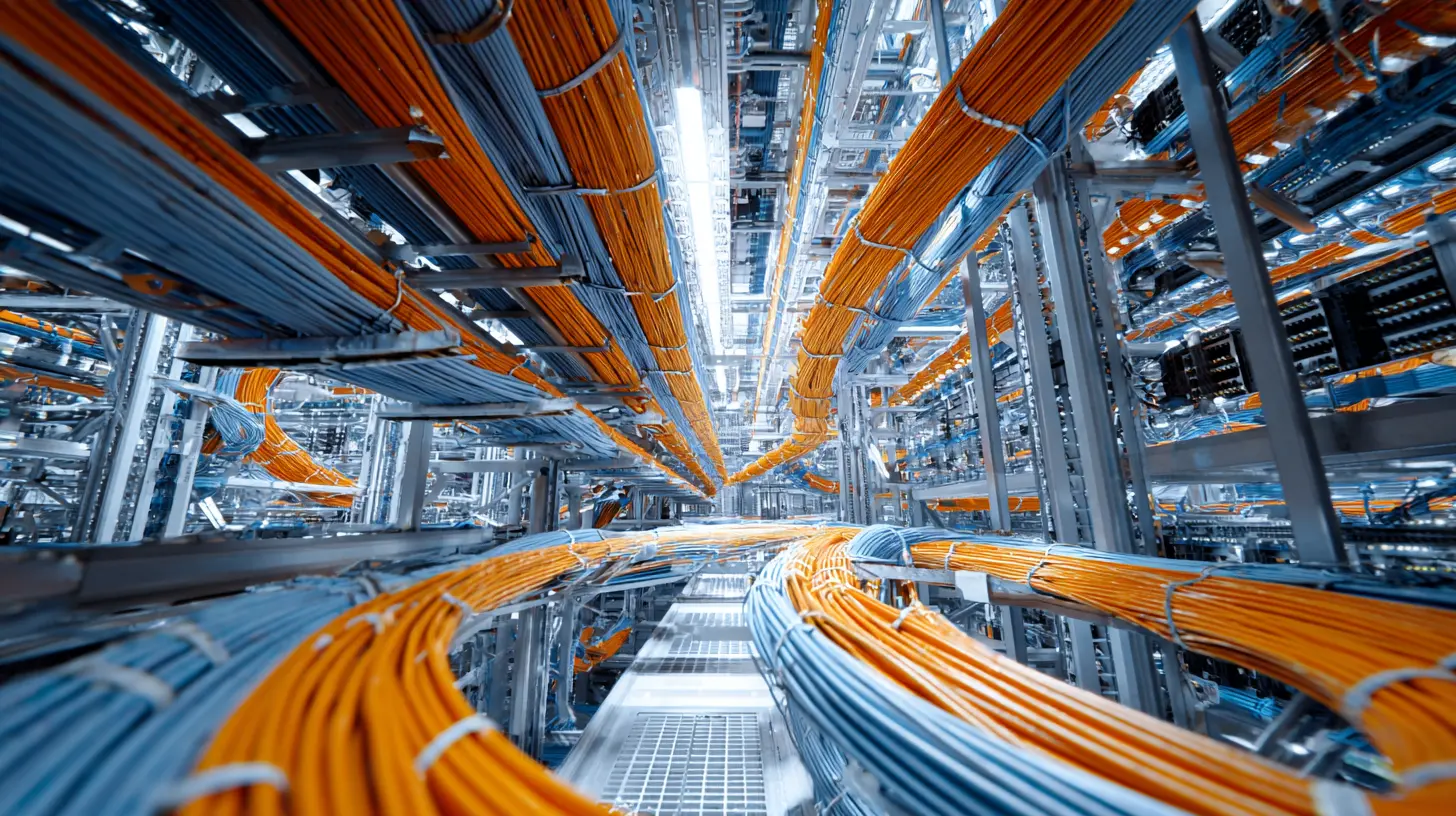
For the past decade, most of us have been running on networks that were designed for a simpler time. When your home internet was built, the engineers probably assumed you'd be checking email, maybe watching a YouTube video or two. They didn't plan for a household where three people are in Zoom meetings, someone's gaming in 4K, and your smart fridge is trying to order milk at the same time. That's the reality now, and the old infrastructure is cracking under the pressure.By 2026, we're going to see a fundamental shift. Networks won't just be "fast enough" -- they'll be designed from the ground up for chaos. Think of it like a highway system. Right now, we have a few lanes and a lot of traffic jams. By 2026, we're building an entirely new highway network with smart lanes that can change direction based on where the cars need to go. It's not just about adding more lanes; it's about making the whole system intelligent.
The Rise of AI-Native Networks
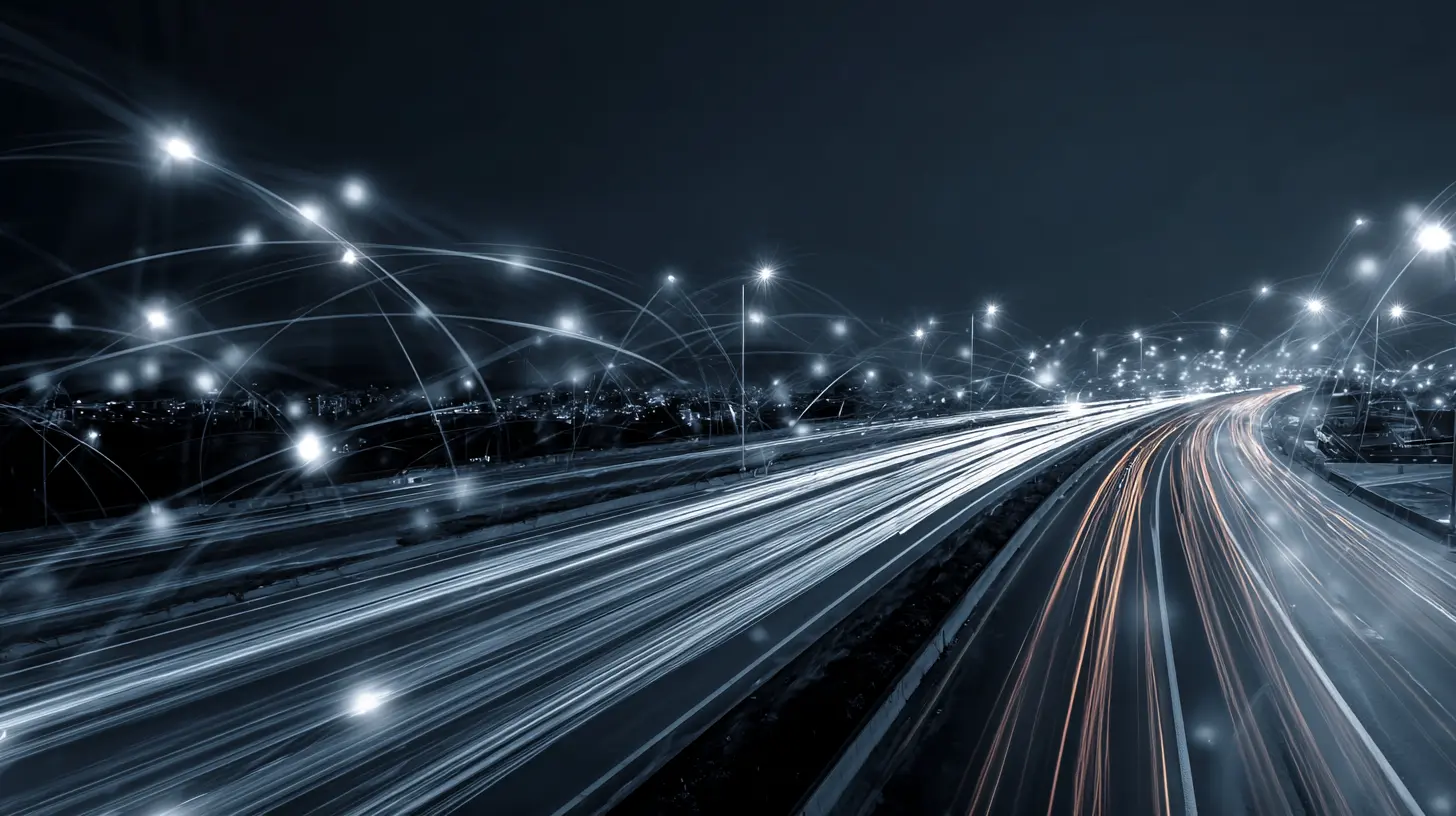
This is where things get really interesting. I'm not talking about AI as a buzzword slapped onto a product. I'm talking about networks that actually think for themselves. By 2026, network infrastructure will be embedded with AI that can predict problems before they happen. Imagine your office network noticing that a switch is about to fail and rerouting traffic automatically -- without anyone lifting a finger. That's not science fiction; it's already being tested in major data centers.The key here is what's called "intent-based networking." Instead of a human sitting there configuring routers and switches line by line, you tell the network what you want -- "make sure video conferencing gets priority" -- and the AI figures out how to do it. It's like having a personal assistant for your internet connection. For businesses, this means less downtime and fewer late-night calls to IT support. For you at home, it means your Netflix doesn't stutter just because someone in the house decided to download a giant game update.
5G and Beyond: Not Just for Your Phone
We've heard about 5G for years now, but by 2026, it will have matured into something far more impactful. Right now, 5G is mostly about faster downloads on your phone. But the real potential is in what's called "private 5G networks." Think about a factory floor with hundreds of robots that need to communicate instantly. Or a hospital where medical devices share data in real time. Public 5G is great, but private 5G is like having your own dedicated fiber line -- without the fiber.By 2026, expect to see 5G becoming the backbone for entire industries. Farms will use it to monitor soil conditions across hundreds of acres. Construction sites will have sensors that track every piece of equipment. And yes, your home internet might start using 5G as a primary connection, especially in areas where fiber is too expensive to run. The latency -- that delay between clicking and getting a response -- will drop so low that you won't be able to tell the difference between wired and wireless.

Wi-Fi 7: The Quiet Revolution
You probably just upgraded to Wi-Fi 6, right? Well, get ready. Wi-Fi 7 is coming, and it's not a small step -- it's a leap. By 2026, Wi-Fi 7 will be standard in new devices, and it's going to change how we think about wireless connectivity. The headline number is speed: we're talking about theoretical speeds of over 40 gigabits per second. That's fast enough to download a 4K movie in seconds.But the real magic is in something called "multi-link operation." Right now, your device connects to one frequency at a time -- either 2.4 GHz or 5 GHz. Wi-Fi 7 lets your device use multiple frequencies simultaneously. Imagine a car that can drive on the highway and the local road at the same time, splitting the load. That's what Wi-Fi 7 does. For you, this means less lag in video calls, smoother streaming, and a network that handles dozens of devices without breaking a sweat.
The Fiber Explosion
Let's be honest: wireless is amazing, but it will never beat the reliability of a physical cable. By 2026, fiber optic internet will become the standard in more places than ever before. Governments around the world are pouring billions into fiber infrastructure, and private companies are racing to lay new cables. What used to be a luxury for tech hubs will become as common as electricity.But here's the twist: fiber isn't just about speed. It's about symmetry. Most home connections today are asymmetric -- you get fast downloads but slow uploads. That worked when you were just watching videos. But now, with remote work and content creation, everyone needs to upload. Fiber gives you the same speed both ways. By 2026, if you're stuck on a cable connection with slow uploads, you'll feel like you're living in the dark ages.
Edge Computing: Bringing the Smarts Closer
You know how cloud computing works -- your data goes to a massive data center somewhere far away, gets processed, and comes back. That's fine for most things, but it has a problem: distance. Every mile adds a tiny delay. By 2026, we'll see a massive push toward edge computing, where data is processed right where it's generated.Think of it like this: instead of driving all the way to the library to look something up, you have a mini-library in your living room. Edge computing puts small data centers close to you -- sometimes right inside your office building or even on the same block. This is critical for things like self-driving cars, which can't afford to wait for a signal to go to a faraway server and back. It also means your smart home devices will respond instantly, without that annoying lag.
The Security Overhaul
With all this new technology comes a huge challenge: security. By 2026, network infrastructure will have to be built with security baked in, not bolted on. The old model of putting a firewall at the edge of your network and calling it a day is dead. Attackers are too sophisticated for that.What's coming is "zero trust" architecture. The idea is simple: don't trust anything by default. Every device, every user, every connection has to prove it's legitimate, every single time. This sounds exhausting, but AI will handle most of it in the background. By 2026, your home network might automatically block a suspicious device before you even know it's there. For businesses, this is non-negotiable. The cost of a data breach is too high, and insurance companies are starting to demand zero trust as a condition for coverage.
The Sustainability Challenge
Here's a question nobody wants to ask: how much energy does all this infrastructure use? The answer is a lot. Data centers alone consume about 1% of the world's electricity, and that number is growing. By 2026, network infrastructure will have to get greener, and fast.The good news is that companies are taking this seriously. We're seeing new cooling technologies that use less water, more efficient chips that do more work per watt, and even data centers powered by renewable energy. Some companies are experimenting with underwater data centers. Others are using AI to optimize when and where computing happens, shifting workloads to times when renewable energy is abundant. By 2026, sustainability won't be a nice-to-have; it'll be a requirement for any major network provider.
What This Means for You
So let's bring this down to earth. What does all of this actually mean for your daily life by 2026?First, you'll stop thinking about your internet connection. It'll just work. No more resetting the router, no more blaming your ISP for slow speeds during peak hours. The network will adapt to your needs automatically.
Second, remote work will feel truly seamless. Video calls will look like you're in the same room. Large file uploads will be instant. And you'll be able to have multiple high-bandwidth activities happening at once without any hiccups.
Third, your smart home will actually be smart. Devices will respond instantly, and they'll work together without you having to fiddle with settings. Your thermostat, lights, and security cameras will share data locally, without sending everything to the cloud.
The Human Element
I've been writing about technology for a long time, and I've learned one thing: the best infrastructure is invisible. When it works perfectly, you don't even notice it. By 2026, that's where we're heading. The network will fade into the background, just like electricity or running water. You'll only think about it when you need to, and even then, it'll just work.But here's the thing I want you to remember: all this technology is useless if it doesn't serve people. The future of network infrastructure isn't just about faster speeds or lower latency. It's about connecting us more meaningfully. It's about enabling a surgeon to perform a procedure from halfway around the world. It's about letting a student in a rural area attend a class at a top university. It's about giving a small business the same tools as a giant corporation.
By 2026, the network will be smarter, faster, and more reliable than anything we've ever seen. But the real magic is what we do with it. So get ready. The future is coming, and it's going to be connected.
all images in this post were generated using AI tools
Category:
Network InfrastructureAuthor:

Marcus Gray
Discussion
rate this article
2 comments
Skyler Curry
This article offers valuable insights into the evolving landscape of network infrastructure. It's exciting to think about the advancements ahead and how they will shape our connectivity and communication in the coming years.
May 8, 2026 at 5:02 AM
Marcus Gray
Thanks for your thoughts! The future of network infrastructure is indeed thrilling, and I look forward to seeing how these changes enhance our connectivity.
Regina Alexander
This article offers a solid glimpse into network infrastructure trends. The focus on scalability and security is crucial as technology evolves. It will be interesting to see how these predictions play out by 2026.
May 4, 2026 at 4:56 AM
Marcus Gray
Thank you for your thoughts! I completely agree that scalability and security are key as we look ahead. It'll be fascinating to see how these trends develop over the next few years.