The Future of Smart Speakers: Predictions for Voice Technology
13 March 2026
Smart speakers, once a novelty, have become an integral part of many homes. From playing your favorite music to controlling your lights, these voice-activated devices have transformed how we interact with technology. But here’s the real question: where are we headed next? The future of smart speakers is brimming with exciting possibilities. Voice technology is evolving rapidly, and it’s taking us into a world where our interactions with these devices will feel more natural, intuitive, and, quite honestly, smarter.
In this article, we’re going to dive deep into the future of smart speakers. We’ll explore the trends, the potential advancements, and what we can expect from voice technology in the coming years. Whether you’re a tech enthusiast or just someone curious about what lies ahead, buckle up—this is going to be a fun ride!
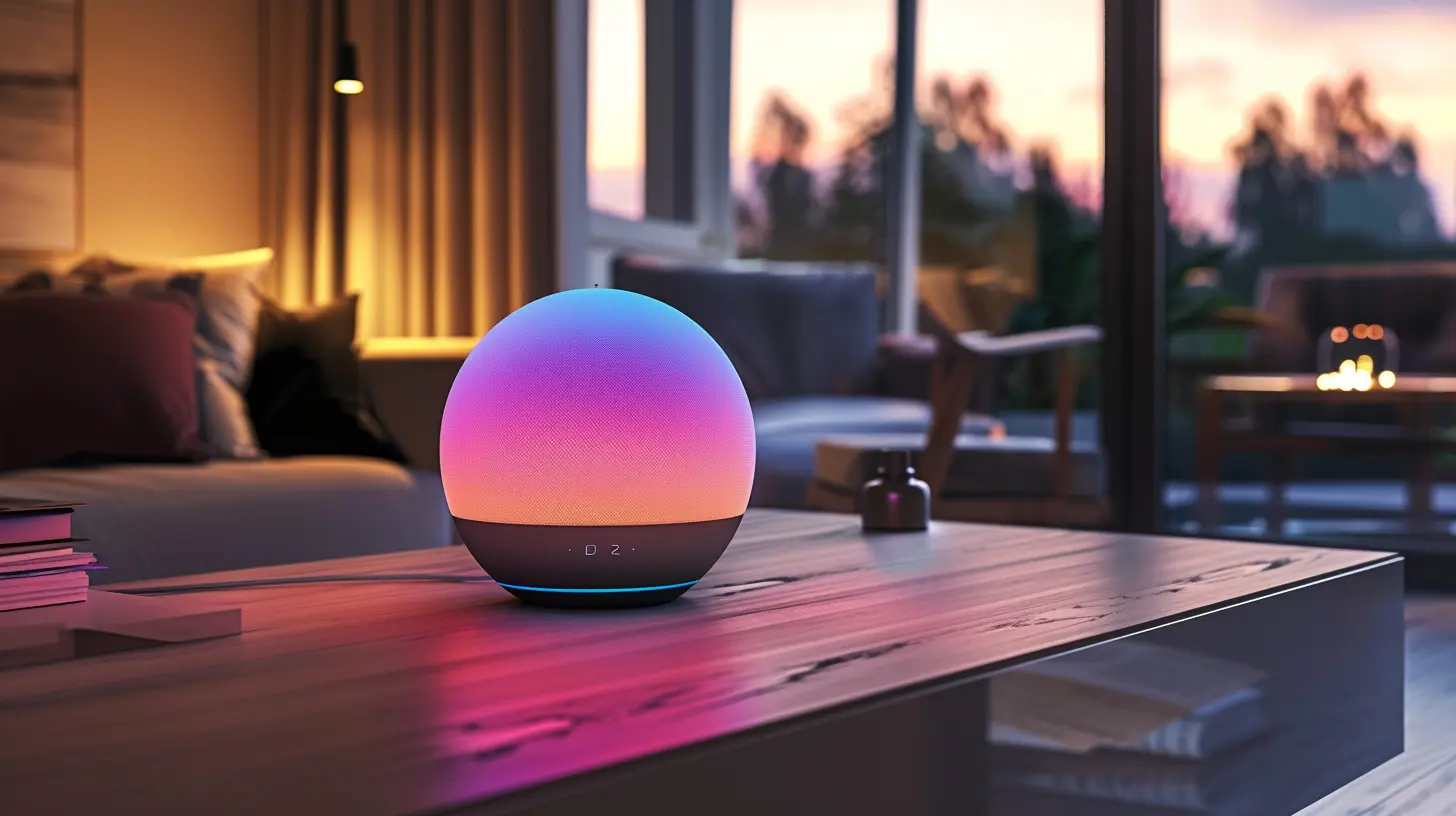
The Evolution of Smart Speakers
Before we look forward, let’s take a quick glance back. Remember when the first smart speakers hit the market? Amazon’s Echo, featuring Alexa, was the pioneer in 2014. Then came Google Home (now Google Nest) and Apple’s HomePod, sparking a battle of the voice assistants. Initially, these devices were limited in their functionality. They could answer basic questions, play music, and set reminders—nothing too groundbreaking.Fast forward to today, and these smart speakers have become sophisticated hubs of home automation, entertainment, and even personal assistance. They can control your smart home devices, order groceries, read the news, and a whole lot more. But the real game-changer here has been the development of voice recognition technology. It’s improved by leaps and bounds, allowing these devices to understand us better—regional accents, ambient noise, and all.
But enough about the past. Let’s talk about where we're going.
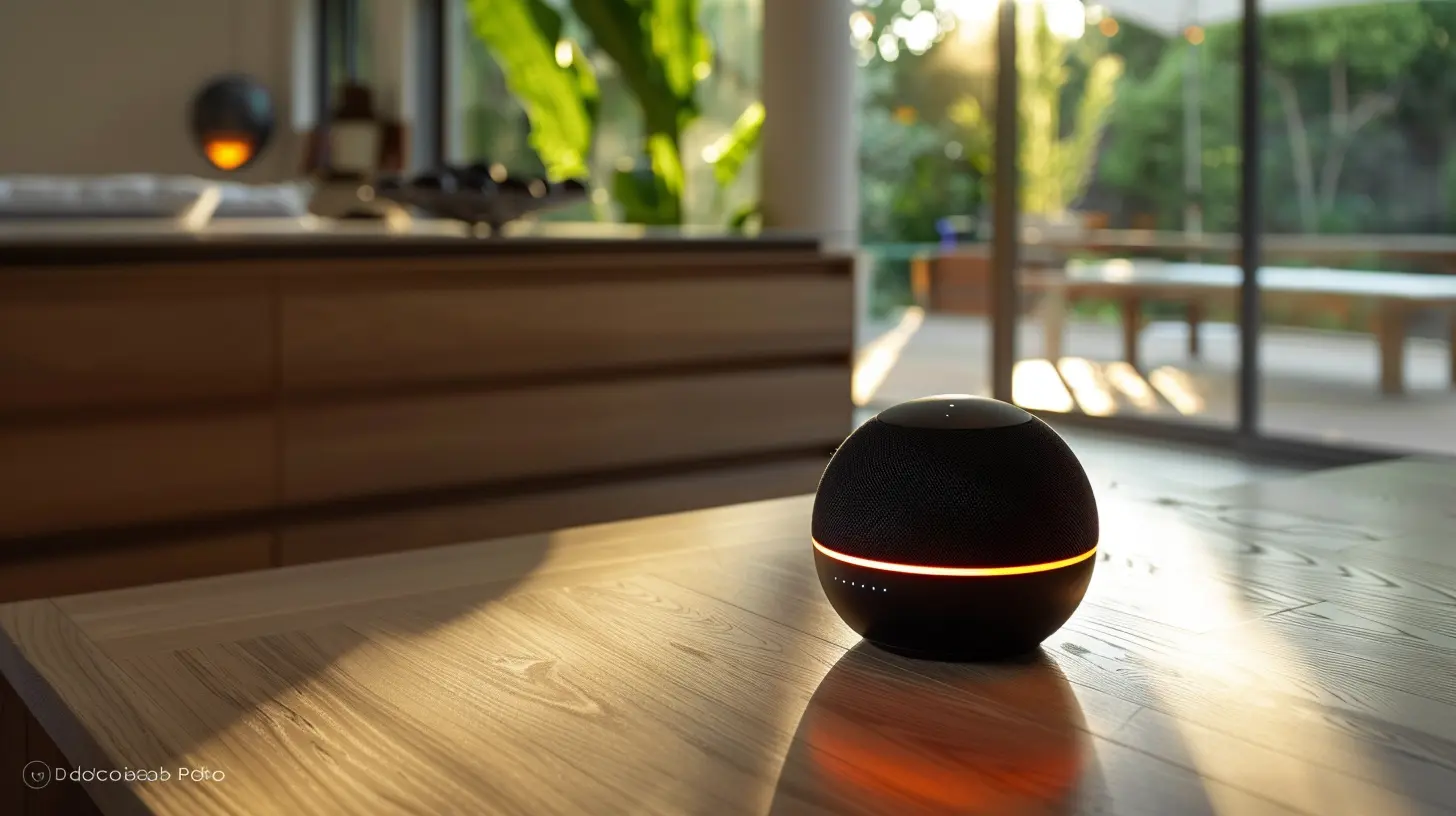
The Rise of Multilingual and Multimodal Capabilities
One of the most exciting advancements we’re likely to see in smart speakers is the enhancement of multilingual capabilities. Currently, many smart speakers can switch between languages, but the future promises something even more impressive: seamless, real-time multilingual interactions. Imagine giving a command in English, switching to Spanish mid-sentence, and having your smart speaker follow along without missing a beat. This will be particularly beneficial in multilingual households or regions with diverse language needs.Additionally, smart speakers will likely evolve from being purely voice-activated devices to becoming multimodal hubs. What does that mean? Well, it’s not just about voice anymore. Future smart speakers could incorporate visual cues, gestures, or even touch inputs to improve interaction. Think about it: a device that not only listens but also ‘sees’ and ‘feels’ what you need. This could open a whole new world of possibilities for smart home control and user interaction.
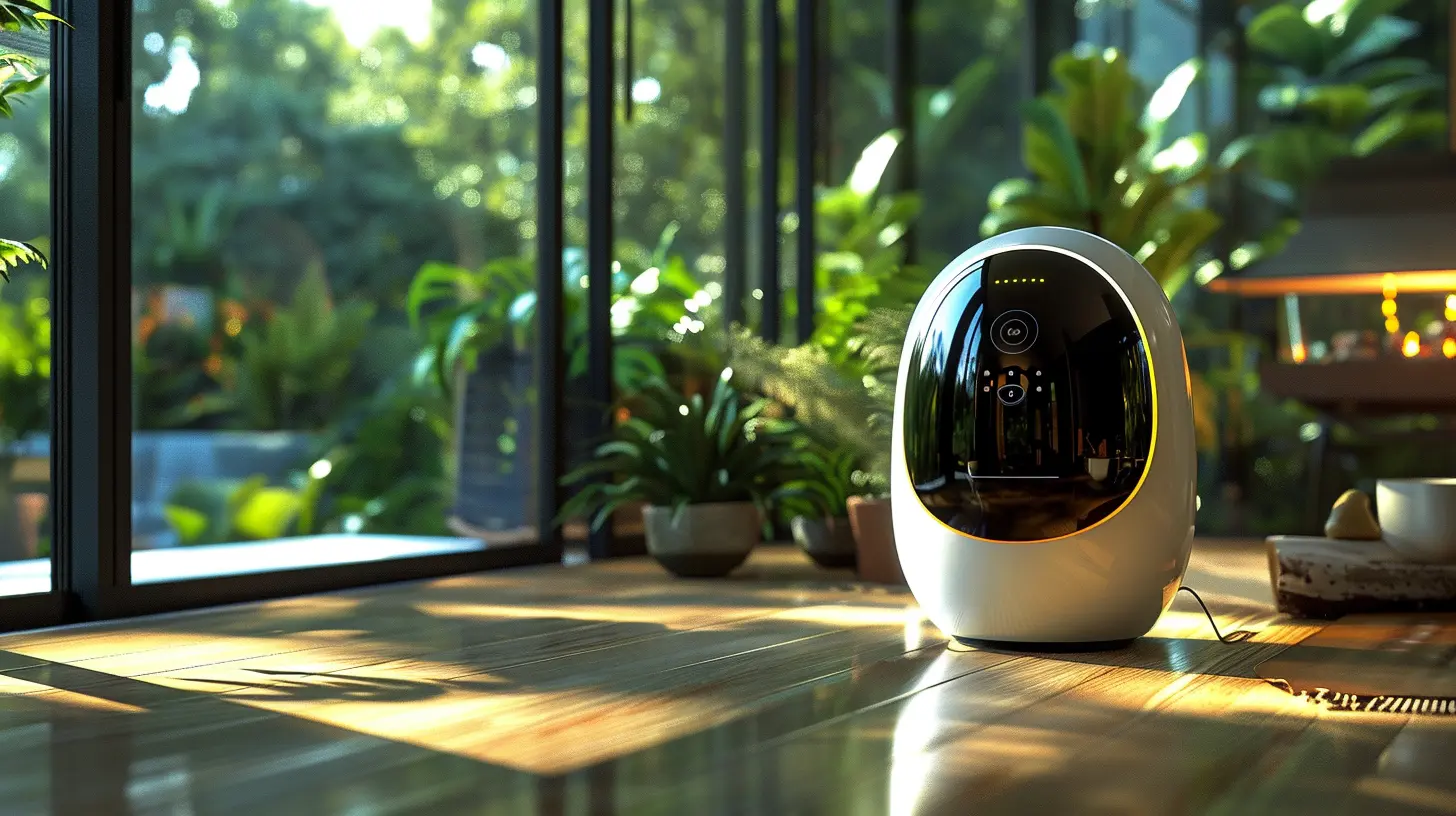
Smarter Voice Assistants: Beyond Basic Commands
Let’s be honest—voice assistants today are pretty smart, but they’re not perfect. How many times have you asked Alexa or Google Assistant to do something, only to get a frustratingly irrelevant response? We’ve all been there. But here’s the good news: the future is set to bring us smarter, more contextually aware voice assistants.These future assistants will not just respond to isolated commands but will understand the context of conversations. For instance, if you say, “Alexa, turn on the lights,” and then follow it up with, “Make it brighter,” Alexa will understand that "it" refers to the lights without needing you to repeat yourself.
Even better, voice assistants may soon predict what you need before you even ask. Imagine walking into your home after a long day and your smart speaker says, "Hey, it looks like you had a tough day. Would you like me to play some relaxing music?" This kind of predictive AI would make interactions feel more natural and personalized.
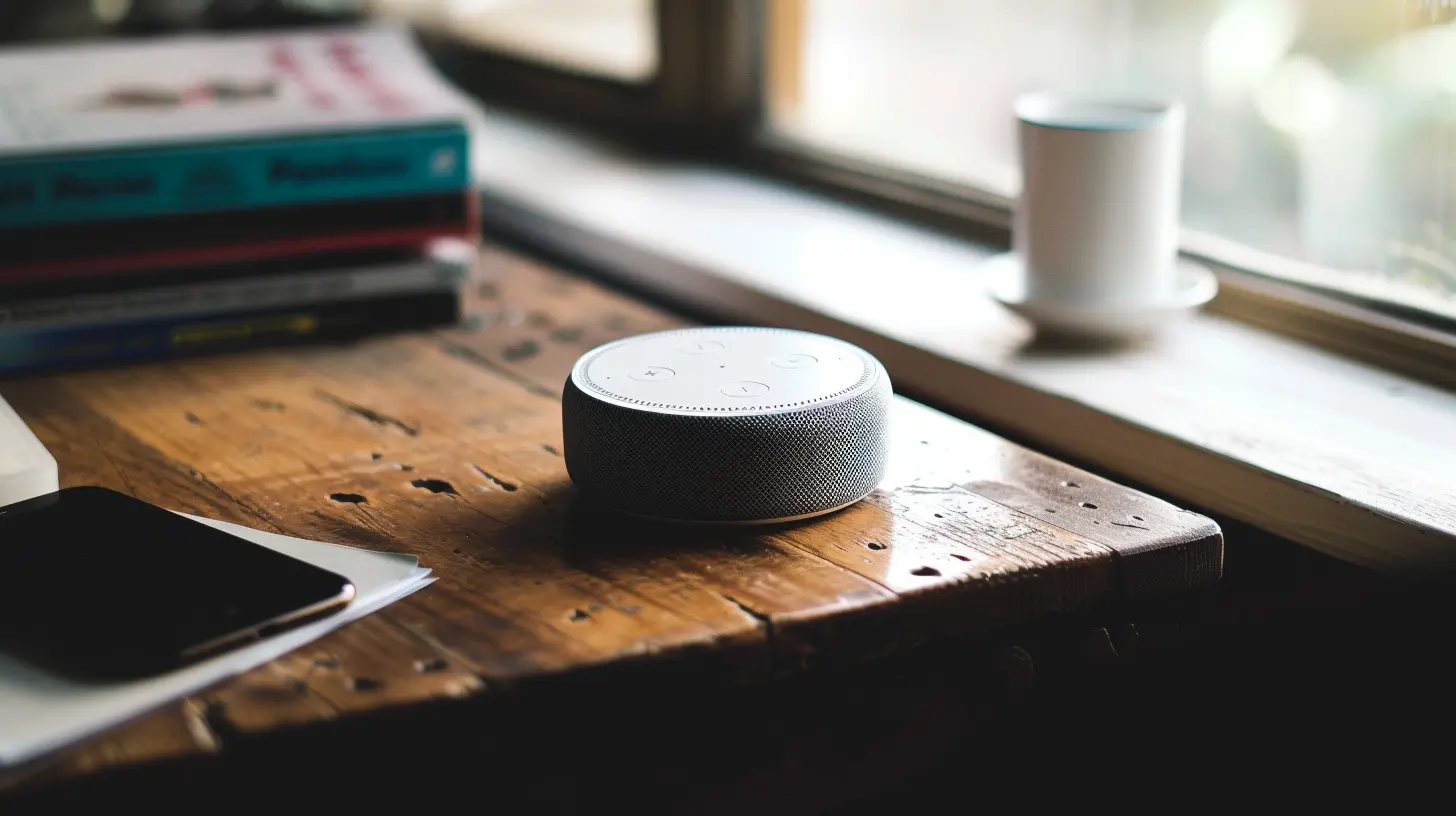
Voice Technology Integration into More Devices
Right now, smart speakers are standalone devices, but in the future, voice technology is going to be embedded in a lot more everyday gadgets. Picture this: your refrigerator, microwave, and even your car could all have built-in voice assistants. You won’t need to buy a separate smart speaker because the technology will be seamlessly integrated into the devices you already own.For example, you could say, “Hey fridge, what groceries do I need?” and have it give you a list based on what’s inside. Or imagine driving to work, and instead of fumbling with your phone, you just ask your car to pull up your calendar and read out your schedule for the day. The possibilities are endless.
This kind of integration will make voice technology even more ubiquitous. You won’t have to think twice about where or how to use it because it will be everywhere, smoothly blending into the background.
Improved Security and Privacy
One of the most significant concerns people have about smart speakers is privacy. Let’s face it—having a device that’s always listening can feel a little creepy. And while companies like Amazon, Google, and Apple have made strides to improve security, there’s still room for improvement.In the future, expect smarter speakers to come with enhanced privacy features. We’re talking about voice recognition that can differentiate between household members, ensuring that only authorized individuals can access sensitive information. For instance, if your child asks Alexa to order a pizza, Alexa will know they don’t have permission to make purchases. Or, if someone tries to access your private messages, the smart speaker could ask for a voiceprint or a password to verify their identity.
Furthermore, companies will likely introduce better encryption and more transparent privacy controls. You’ll have greater control over what your smart speaker listens to, stores, and shares, putting your mind at ease knowing your data is secure.
Voice Commerce: The Next Big Thing?
Here’s something that’s already gaining momentum but will likely explode in the future: voice commerce. We’re already starting to see people use their smart speakers to order products online, but this is just the tip of the iceberg.In the years to come, voice commerce will become more intuitive and personalized. Imagine saying, “Alexa, I need a new pair of running shoes,” and instead of just pulling up a random list, Alexa knows your size, preferred brands, and budget. It will even ask follow-up questions like, “Do you want the same brand as last time, or are you looking for something new?”
Voice commerce will streamline the shopping process, making it faster and more convenient than ever. And as more people get comfortable with the idea of making purchases through voice commands, we’ll likely see a surge in businesses optimizing their services for voice-based interactions.
Enhanced Sound Quality and Spatial Awareness
Smart speakers today are pretty good at playing music, but let’s be real—there’s room for improvement. The future of smart speakers will likely bring enhanced sound quality that rivals traditional audio systems. Advanced audio processing and spatial awareness will allow these devices to adjust sound based on the room’s acoustics, giving you an immersive listening experience, no matter where you place the speaker.Spatial awareness will go beyond just sound; it will also enable the device to understand where you are in a room in relation to it. So, if you say, “Turn off the lights,” your smart speaker will know which lights you’re referring to based on your location in the house. Cool, right?
The Role of AI in Shaping the Future
Artificial Intelligence (AI) is going to play a crucial role in the evolution of smart speakers. As AI becomes more advanced, it will enable smart speakers to better understand human language, emotions, and even body language. This means we’ll soon be interacting with devices that "get us" on a deeper level.Imagine a world where your smart speaker can detect if you're stressed based on your tone of voice and suggest calming activities or music. Or, how about a device that can sense when you're feeling down and offer words of encouragement? The future of smart speakers is all about creating a more personalized, emotionally intelligent interaction between humans and machines.
The Integration of Voice Technology into Healthcare
One of the most promising areas for future smart speakers is healthcare. In the near future, your smart speaker could play the role of a virtual health assistant. It could remind you to take your medication, schedule doctor’s appointments, or even monitor your health in real-time using connected devices like smartwatches or fitness trackers.For seniors or individuals with disabilities, this could be a game-changer. Imagine a smart speaker that can alert a family member or caregiver if someone has fallen or if there’s an emergency. Voice technology in healthcare will undoubtedly improve quality of life, especially for those who require daily assistance.
Conclusion: The Future Looks Bright (and Smart!)
So, where does all of this leave us? The future of smart speakers is incredibly exciting, with innovations that will change how we live, work, and interact with technology. From smarter, more intuitive voice assistants to enhanced privacy features and seamless integration into everyday devices, the potential is limitless.Will smart speakers become as essential to our lives as smartphones? Maybe. One thing’s for sure: voice technology is here to stay, and it’s only going to get better.
all images in this post were generated using AI tools
Category:
Smart SpeakersAuthor:

Marcus Gray
Discussion
rate this article
2 comments
Zachary McElhinney
Smart speakers will revolutionize our interaction with technology, seamlessly integrating voice commands into every aspect of daily life.
March 19, 2026 at 1:50 PM
Marcus Gray
Absolutely! Smart speakers are poised to transform our daily interactions, making technology more accessible and intuitive through voice commands.
Phaedra Frye
Great insights on the future of smart speakers! It's exciting to see how voice technology will evolve and enhance our daily lives. I can't wait to experience these innovations firsthand!
March 14, 2026 at 12:43 PM
Marcus Gray
Thank you! I'm glad you found the insights valuable. Exciting times ahead for voice technology!