Virtual Reality Meetings Are Becoming the New Standard by 2027
3 May 2026
Let me be honest with you. The last time I sat through a two-hour Zoom call, I felt like my brain had been replaced with static. You know that feeling, right? The kind where you're staring at a grid of faces, half of them frozen mid-sentence, while someone's dog barks in the background and your internet connection decides to take a nap. We've all been there. But here's the thing: by 2027, that experience might feel as outdated as a flip phone. Virtual reality meetings are not just a cool sci-fi gimmick anymore. They're quietly becoming the new standard for how we work, collaborate, and actually connect with each other.
I've been watching this shift for a while now, and it's not about hype. It's about necessity. Remote work exploded during the pandemic, and we all realized that video calls are a decent band-aid, but they're not a real solution for human connection. You can't read body language through a webcam. You can't feel the energy of a room. You can't casually tap someone on the shoulder to get their attention. VR changes all that. By 2027, I believe most companies that care about team cohesion and productivity will have adopted some form of VR meeting technology. Let me walk you through why this is happening, what it actually looks like, and why you should start paying attention now.
The Problem With Video Calls That Nobody Talks About
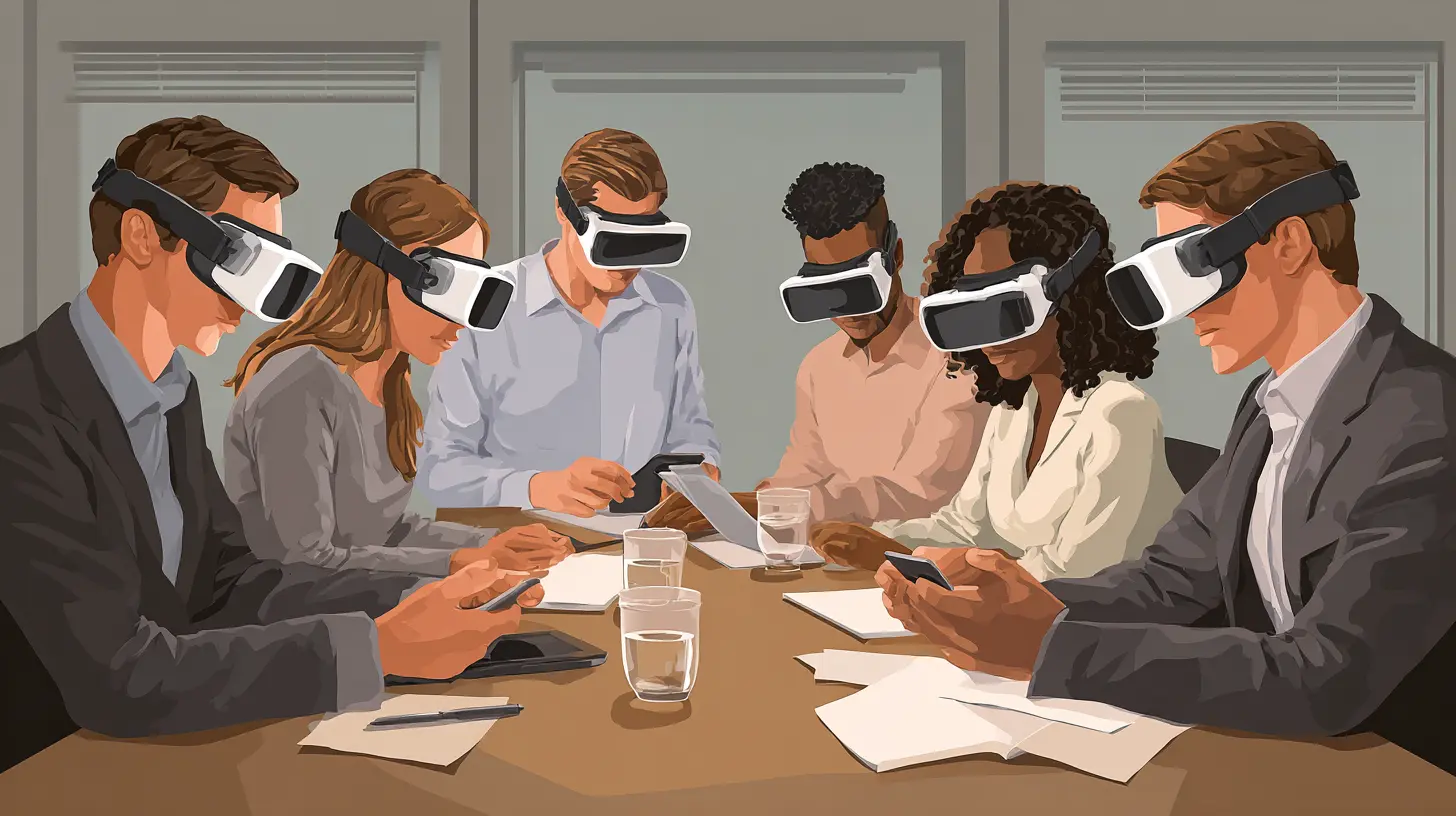
We've normalized the weirdness of video calls. Think about it. You spend eight hours a day staring at your own face, trying to remember to look at the camera instead of the screen, and fighting the urge to mute yourself every time you take a sip of coffee. It's exhausting. Researchers call it "Zoom fatigue," but that's a polite way of saying it's a cognitive nightmare. Your brain is working overtime to fill in the gaps that a flat screen can't provide. You're missing the subtle cues that make conversation flow naturally.Have you ever noticed how awkward silences feel longer on a video call? Or how you accidentally interrupt someone because of a half-second delay? That's not your fault. It's the medium. Video calls strip away the spatial awareness that humans evolved with. In a physical room, you know who's about to speak because you see them lean forward. You sense when someone wants to jump in because their eyes dart to you. In VR, you get that back. You have a virtual body. You can turn your head, gesture with your hands, and actually look someone in the eye. It sounds simple, but it changes everything.
What VR Meetings Actually Look Like Right Now
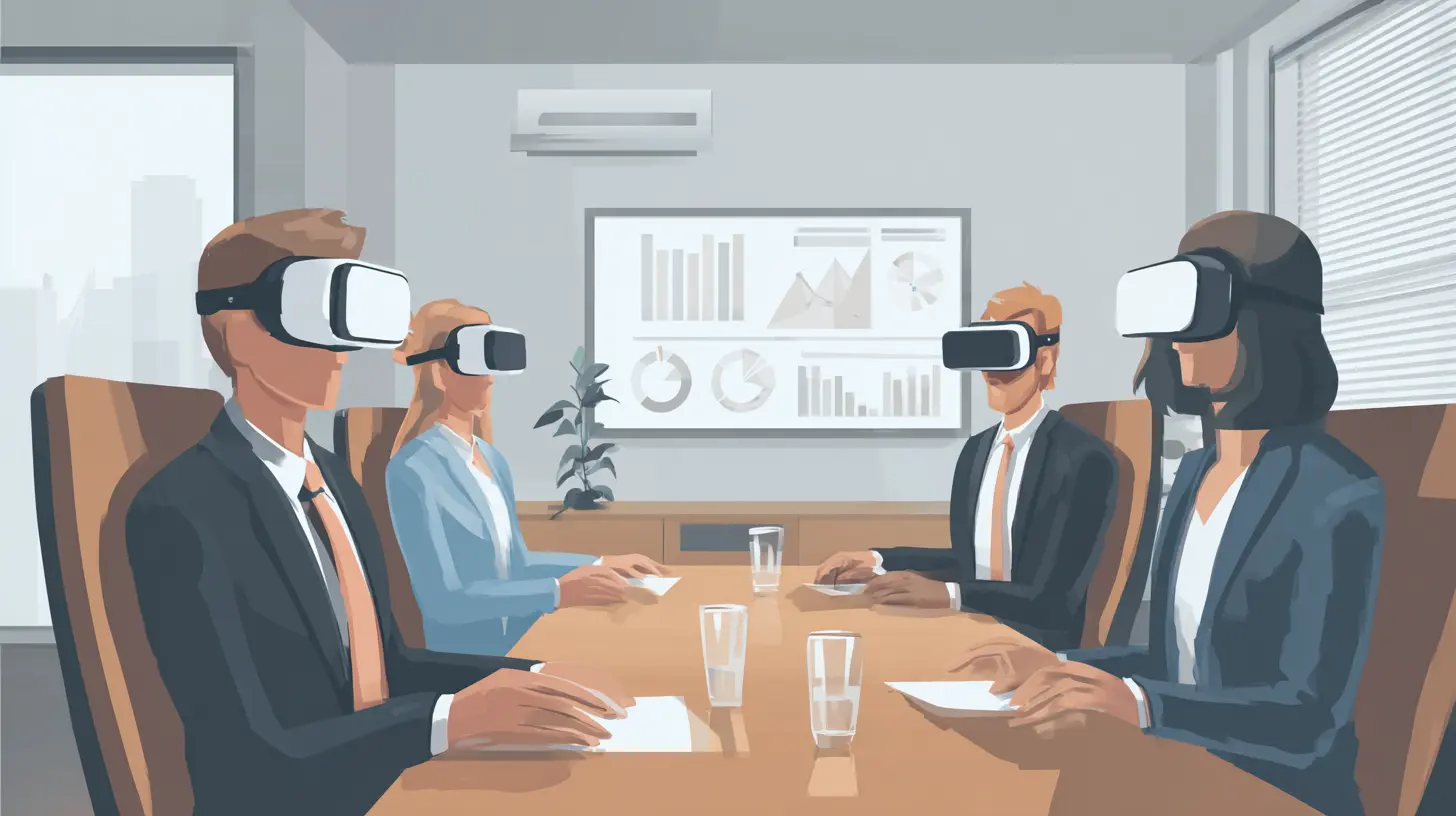
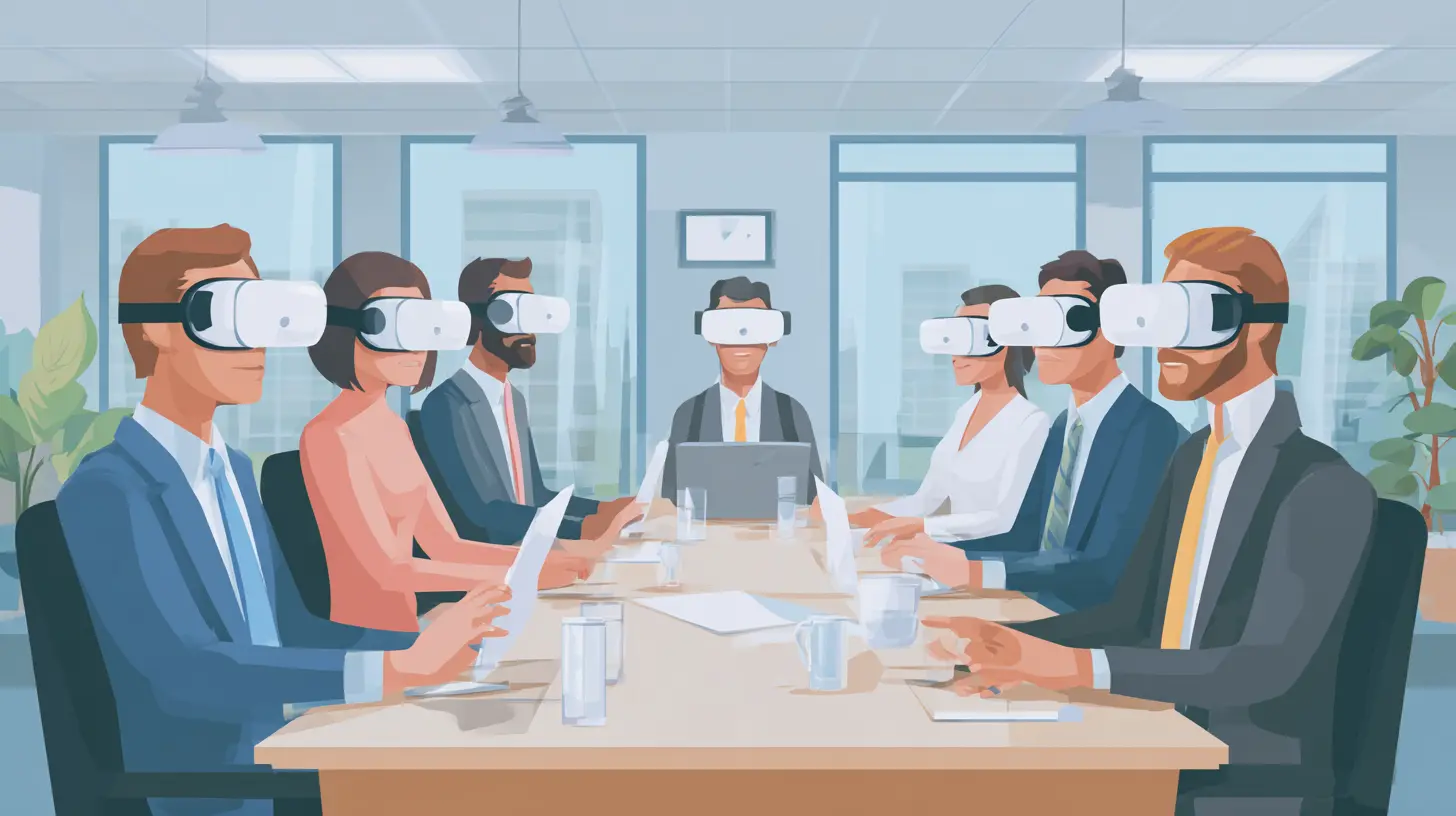
Let's get practical. I'm not talking about strapping on a clunky headset and wandering around a cartoon world. The technology has matured faster than most people realize. Headsets like the Meta Quest 3 and Apple Vision Pro are lightweight, comfortable, and affordable enough for companies to buy in bulk. You put one on, and suddenly you're sitting in a virtual conference room with your colleagues. Not a flat screen with thumbnails. A real room. You can see the table, the chairs, the whiteboard. You can stand up and walk over to someone to have a side conversation.The avatars aren't perfect yet, but they're getting scarily good. With eye tracking and facial expression mapping, your avatar can smile, raise an eyebrow, or look confused. It's not the uncanny valley nightmare from five years ago. It's actually pleasant. I've had meetings where I forgot I was wearing a headset because the interaction felt so natural. You can share a virtual screen, draw on a 3D whiteboard, or even bring in a 3D model of a product and walk around it. For designers, engineers, and architects, this is a game changer. For the rest of us, it's a way to actually feel present.
Why 2027 Is the Tipping Point
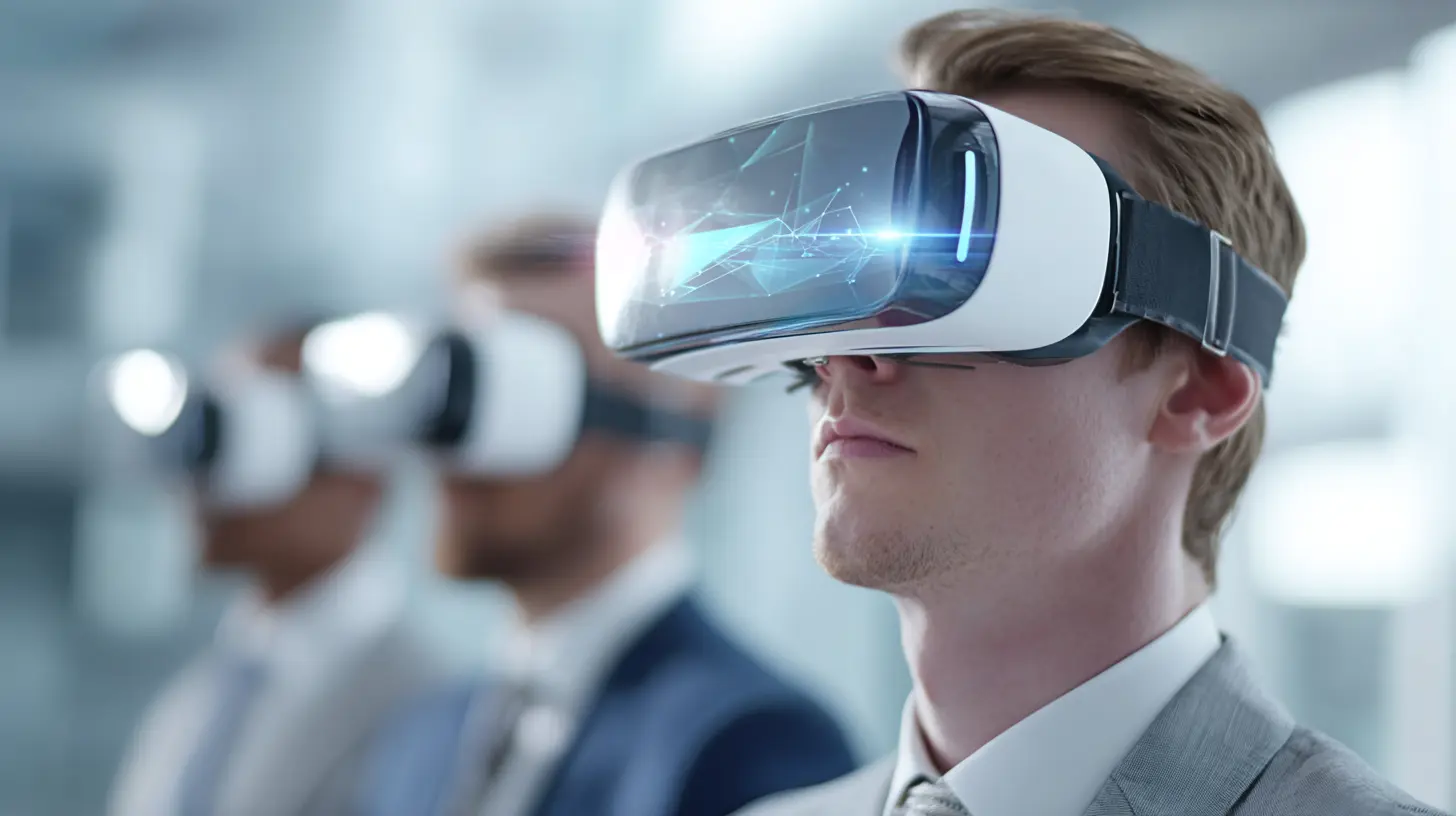
You might be thinking, "Okay, but why 2027? Why not now?" Fair question. Adoption of any new technology follows a curve. Early adopters jump in, then the mainstream waits until the kinks are ironed out and the price drops. We're already past the early adopter phase. Companies like Accenture, Walmart, and Bank of America have been using VR for training and meetings for years. But by 2027, three things will converge.First, hardware will become as common as a laptop. Right now, a good VR headset costs around $500 to $1,500. By 2027, that price will drop to under $300, and the devices will be smaller, lighter, and have better battery life. Second, the software ecosystem will mature. Today, you have to learn separate apps for meetings, whiteboarding, and file sharing. By 2027, platforms like Microsoft Mesh and Meta Horizon Workrooms will integrate directly with Outlook, Teams, and Slack. You'll just click a button that says "Join in VR" and you're in. Third, and most importantly, the workforce will demand it. Gen Z and younger millennials grew up with video games and digital worlds. They find flat video calls boring. They want immersion.
The Hidden Benefits Nobody Talks About
Let me share something I've noticed from using VR meetings myself. The biggest benefit isn't productivity. It's empathy. When you're in a virtual room with someone, you can see their posture, their hand movements, the way they fidget when they're uncomfortable. You can tell if they're distracted or engaged. That changes how you communicate. You become more patient, more attuned to the other person's state. I've had conversations in VR that felt more genuine than some I've had in person, because the technology removes the barrier of self-consciousness. You're not worried about how you look on camera. You're just there.There's also the practical side. No more "Can you share your screen?" because you can see everything in 3D. No more "You're on mute" because spatial audio lets you talk naturally. And no more background noise from someone's blender or barking dog. You can control your environment. You can make it a quiet library, a sunny beach, or a minimalist boardroom. Whatever helps you focus. That flexibility is huge for people who work from home and struggle with distractions.
The Skeptics and the Real Challenges
I'm not going to pretend VR meetings are perfect. They're not. There are real challenges that need to be solved by 2027. The biggest one is accessibility. Not everyone can afford a headset, and not everyone is comfortable wearing one for long periods. Some people get motion sickness, though newer headsets have largely solved that with better refresh rates and tracking. There's also the issue of exclusion. If half your team is in VR and half is on a laptop, you create a two-tier system. Companies will need to figure out how to make hybrid VR meetings work, where both groups feel equally involved.Then there's the social aspect. VR meetings can feel isolating if you're not careful. You're physically alone in your room, even if you're virtually with others. That's a recipe for burnout if you overdo it. The key is balance. Use VR for meetings that require high collaboration, creativity, or emotional connection. Keep video calls for quick check-ins. And never replace the occasional in-person retreat. Technology should augment human connection, not replace it.
How to Prepare for the Shift
If you're reading this, you're probably wondering what you should do to get ready. Start small. If you have a VR headset, try a meeting in Horizon Workrooms or Spatial. Invite a few colleagues to test it out. Don't expect perfection. Expect it to feel weird at first. That's normal. The first time I used VR for a meeting, I kept trying to lean on the virtual table and almost fell over. But after a few sessions, it clicked.If you don't have a headset, keep an eye on your company's tech budget. Many organizations are starting to subsidize headsets for remote workers. Also, push your IT department to explore platforms like Microsoft Mesh, which integrates with the tools you already use. The transition won't happen overnight, but by 2027, those who ignored VR will be scrambling to catch up.
The Bigger Picture: Why This Matters
Think about the last time you felt truly connected to a colleague during a remote meeting. When did you last laugh together, brainstorm a crazy idea, or solve a problem by drawing on a whiteboard? Chances are, it didn't happen on a video call. That's the tragedy of current remote work. We've traded human connection for convenience. VR meetings offer a way to get that connection back without sacrificing the flexibility of working from home.By 2027, I believe we'll look back at video calls the way we look at fax machines. A necessary step in the evolution, but not the final destination. Virtual reality meetings will become the standard because they solve a fundamental human need: the need to feel present with others. And when that happens, work will feel less like a chore and more like a shared experience.
So here's my question to you: Are you ready to step into the room? Or are you going to keep staring at that grid of frozen faces? The choice is yours, but the clock is ticking. 2027 is closer than you think.
all images in this post were generated using AI tools
Category:
Collaborative SoftwareAuthor:

Marcus Gray
Discussion
rate this article
2 comments
Thalyn Thornton
Virtual reality meetings could reshape collaboration, but concerns about accessibility and technology adoption must be addressed first.
May 7, 2026 at 4:51 AM
Marcus Gray
You raise an important point. Ensuring accessibility and ease of use will be crucial for widespread adoption of virtual reality meetings.
Lana Green
Virtual reality meetings could revolutionize remote collaboration.
May 5, 2026 at 2:50 AM
Marcus Gray
Absolutely! Virtual reality meetings have the potential to create more engaging and immersive collaboration experiences, making remote work feel more connected.