Will Bots Replace Managers? The Future of Collaboration Assistants
16 June 2026
Let's be honest for a second. When you hear the phrase "bots replacing managers," what pops into your head? Is it a cold, metallic voice barking out quarterly targets from a speaker on the wall? Or maybe a slack notification that reads, "Your performance metrics have fallen below the 50th percentile. Please report to the deactivation bay."
I get it. The image is dystopian. It's the stuff of sci-fi nightmares where human intuition gets swapped for cold, hard algorithms. But here's the thing: we've been asking the wrong question for years. The real question isn't whether bots will replace managers. It's whether we're ready for managers who finally have a real assistant.
Think of it this way. A manager today is like a pilot flying a 747 while also trying to cook dinner in the galley, answer passenger questions, and fix a leaky toilet in the back. The job has gotten impossibly broad. You're not just leading people anymore. You're a spreadsheet jockey, a conflict mediator, a calendar ninja, a therapist, and a corporate reporter all rolled into one. No human can do all of that well, every single day. Something breaks. Usually, it's the human.
That's where the bot comes in. Not as a replacement, but as the co-pilot you desperately need.
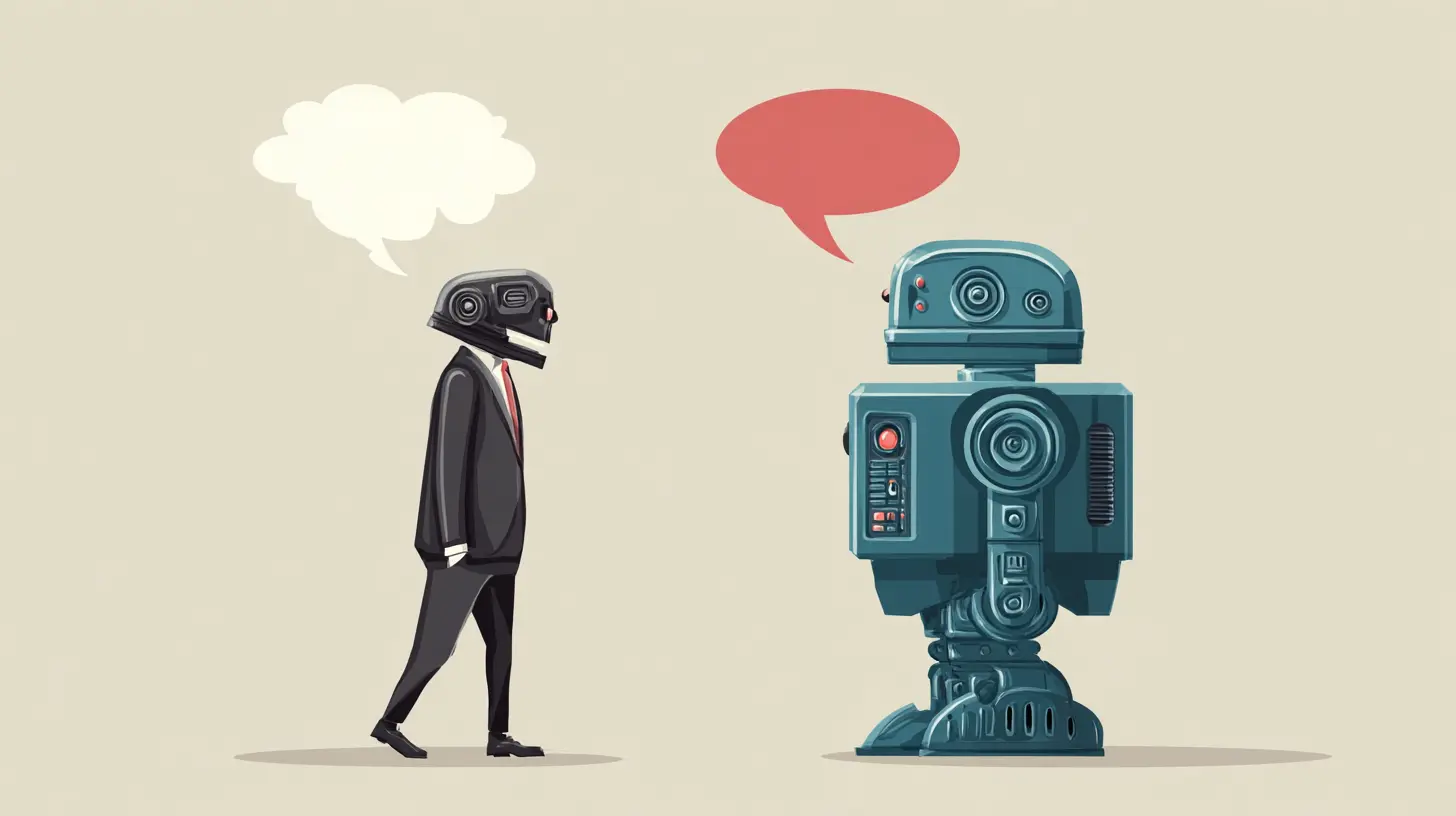
The Myth of the Cold Algorithm Boss
We need to kill a myth right now. The idea that a bot will be a soulless, data-driven tyrant is mostly a projection of our own fears. The worst managers I've ever had weren't robots. They were humans who acted like robots. They ran on rigid logic, ignored context, and treated their team like interchangeable parts. A bot that does that is just a bad manager with faster processing speed.The real potential of collaboration assistants is the opposite. They can take the robotic parts of management off your plate so you can be more human. Imagine a tool that doesn't tell you to fire someone, but instead flags a pattern. It might say, "Hey, your team's code review turnaround time has dropped 20% this sprint, and Sarah's commits are down 30%. Do you want me to schedule a 15-minute check-in with her?"
That's not a firing. That's a nudge. It's a signal that something might be wrong before it becomes a crisis. The bot isn't judging Sarah. It's giving you the data so you can do the human thing: ask her if she's okay, if she needs help, or if her cat just had a medical emergency.
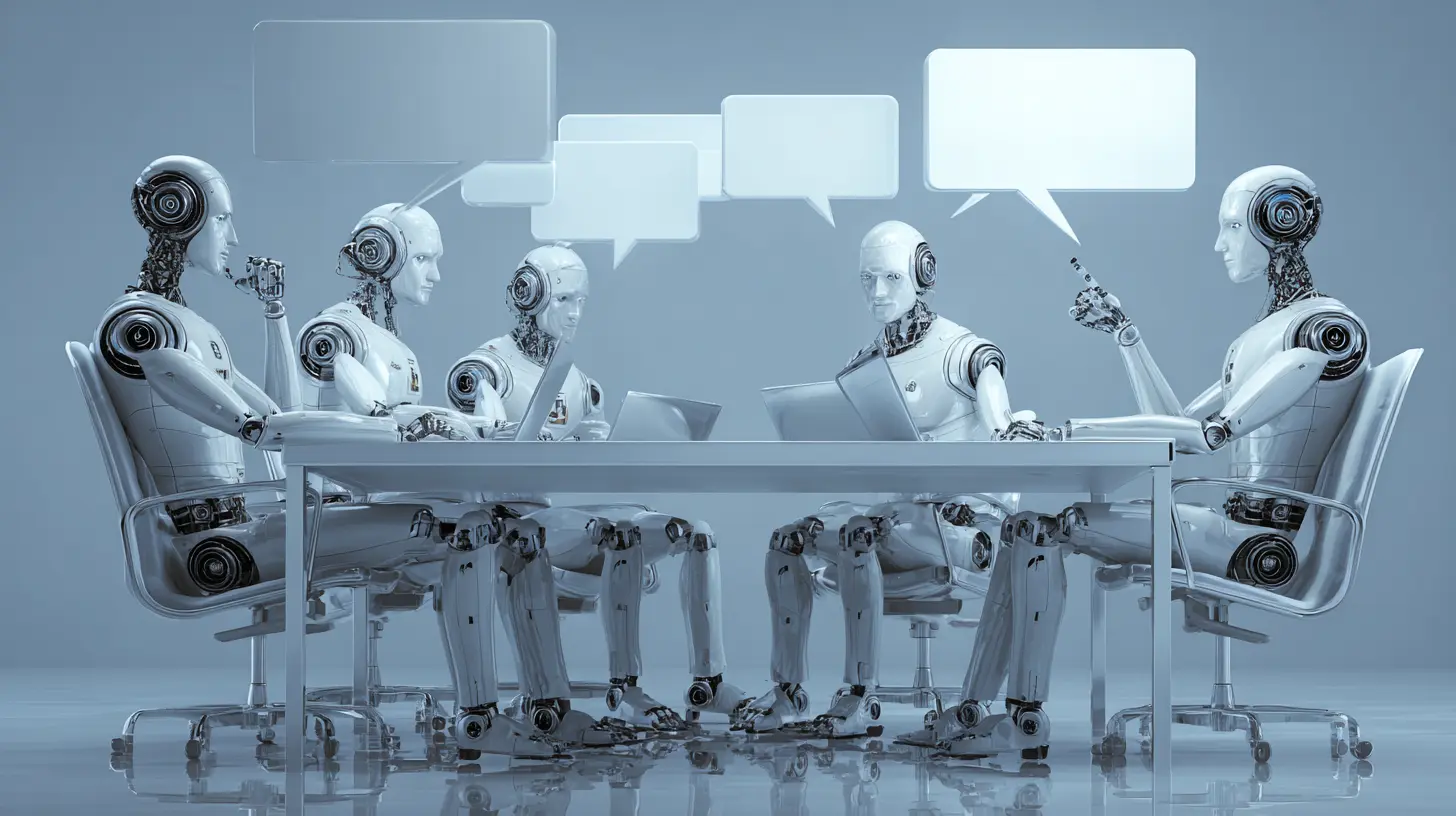
The Three Things Bots Will Actually Do
Let's break this down into the real, practical shifts we're going to see. Not in five years. In the next eighteen months.1. The End of the Status Meeting
I'm going to say something controversial. The weekly status meeting is a relic of a time before the internet. It exists because managers had no other way to know what was happening. You'd go around the table, everyone gives a 90-second update, and you mentally check out while trying to look interested.
Bots will kill this. Completely.
Your collaboration assistant will already know what everyone did. It integrates with your project management tools, your code repos, your CRM, your Slack messages. It will produce a digest for you before you even ask. It will say, "The design team finished the mockups for Project Phoenix. Engineering is blocked on the API integration. Marketing needs the final copy by Thursday. Here are the three decisions you need to make right now."
Suddenly, your meeting isn't about reporting. It's about solving. You can skip the boring part and get straight to the friction. That's where a manager's real value lives: unblocking people, making hard calls, and aligning priorities. Not chasing down status updates.
2. The Death of Performance Review Surprises
Performance reviews are often traumatic because they feel like an ambush. You get a rating that seems to come out of nowhere. "Bob, you're a solid performer, but your collaboration skills need work." Bob had no idea. Nobody told him. Because the manager was too busy to give real-time feedback.
A collaboration assistant can change this. It can track micro-interactions. Not to spy, but to highlight patterns. If Bob consistently misses deadlines, the bot doesn't wait for the quarterly review. It gives the manager a weekly summary: "Bob's tasks are running an average of 2 days late this month. The pattern started after the new onboarding process changed."
Now the manager can have a real conversation. "Hey Bob, I noticed you've been slipping a bit. Is the new process confusing? Do you need more support?" That's coaching. That's growth. That's the opposite of a cold algorithm.
3. The Liberation of the Calendar
Have you ever had a day where you did nothing but attend meetings? You felt busy, but you didn't do anything. That's the modern manager's curse. You're so fragmented that deep thinking is impossible.
Bots can become your calendar guardian. They can analyze your work patterns and block out "maker time." They can learn that you do your best thinking between 8 and 10 AM, and they will fight for that time. They'll schedule all the low-value syncs in the afternoon when your brain is mush anyway.
And here's the kicker: they can negotiate. If someone tries to book over your focus block, the bot can respond: "John is in deep work mode right now. Can this wait until 2 PM? If it's urgent, please type URGENT and I'll ping him." Most of the time, it can wait. Most things can wait. We just never had a buffer before.
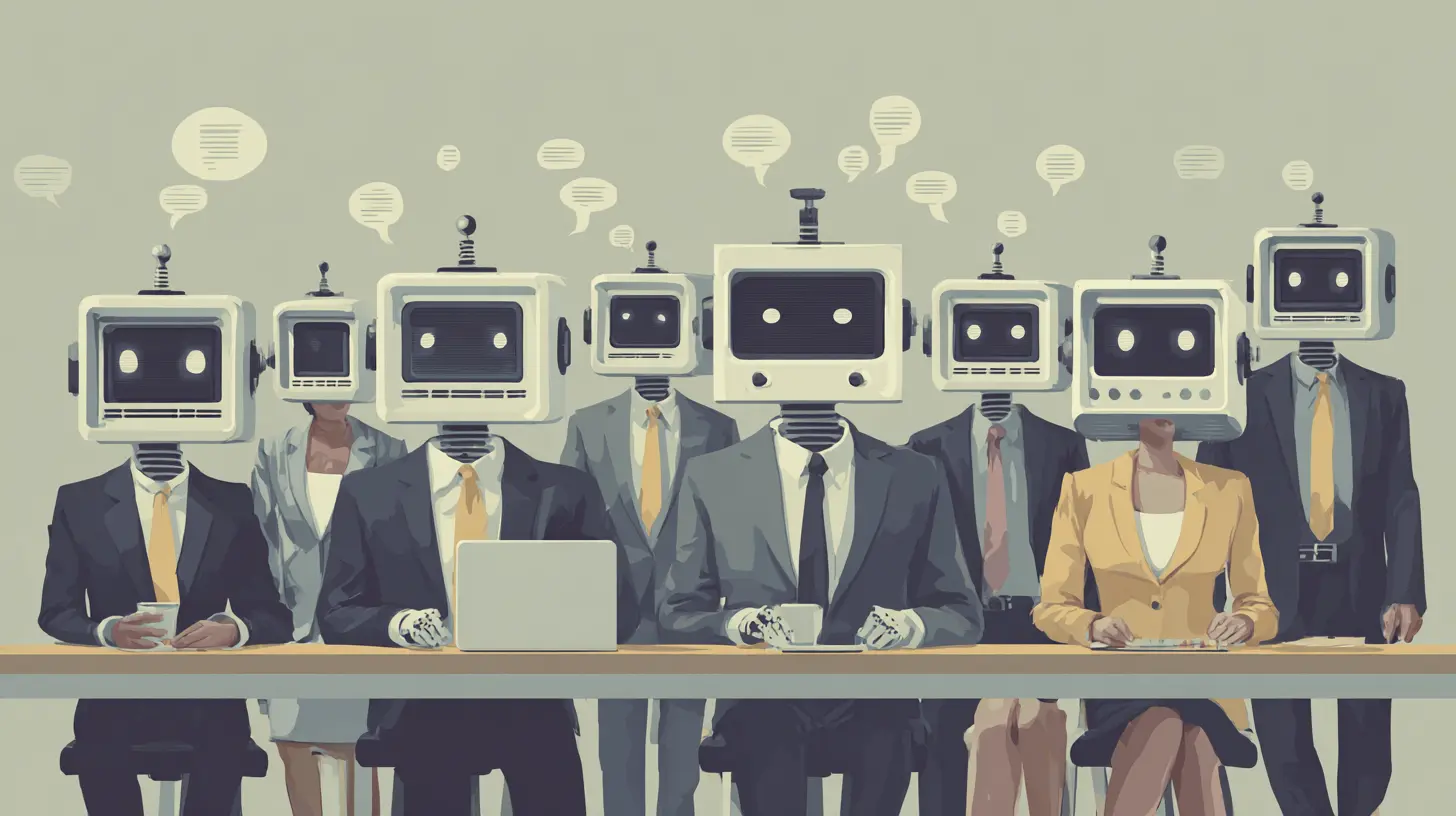
The Human Skills That Become Superpowers
So if the bot takes over the scheduling, the reporting, the data crunching, and the pattern recognition, what's left for you? Everything that matters.Empathy becomes your superpower. The bot can tell you that a team member is disengaged. Only you can ask why. Only you can sit with them and listen. Only you can say, "I see you're struggling. I've been there. Let's figure this out together." A bot cannot do that. It can simulate it, but it cannot feel it. And your team will know the difference.
Judgment becomes your currency. The bot can present you with three options for handling a budget cut. It can even calculate the projected outcomes of each. But it cannot weigh the political fallout. It cannot sense that the CFO is in a bad mood today. It cannot read the room during a tense board meeting. That's all you.
Creativity becomes your edge. Bots are pattern matchers. They are great at "what has worked before." But they are terrible at "what if we try something that has never been done?" The most valuable managers will be the ones who use the bot's data as a springboard, not a cage. You look at the numbers and say, "I know this says we should cut the experimental project, but I have a gut feeling it's going to be huge. Let's protect it."
That's leadership. That's intuition. That's something no algorithm can replicate.
The Collaboration Assistant as a Team Member
Let's reframe how we think about this. Don't call it a bot. Call it a "collaboration assistant." It's not your boss. It's the quiet, hyper-competent team member who never complains, never takes credit, and never asks for a raise.Imagine a tool that sits in every meeting, taking notes, identifying action items, and assigning them to the right person. No more "I'll send a recap email." The bot does it instantly. Imagine a tool that monitors the health of your team by analyzing communication patterns. If two people are having a tense exchange in a channel, it can flag the manager privately: "There's a 40% increase in negative sentiment in this thread. You might want to check in."
This isn't about surveillance. It's about care. It's about catching the small fires before they become forest fires.
The Resistance We'll Face
Of course, this isn't all sunshine and seamless integrations. There will be pushback. Managers will feel threatened. "If a bot can do my job, why do they need me?" That's a fair fear. But it's also a misunderstanding.The managers who get replaced won't be replaced by bots. They'll be replaced by other managers who use bots. It's the same story as every technological shift. The spreadsheet didn't replace accountants. It replaced accountants who refused to learn spreadsheets. The internet didn't replace researchers. It replaced researchers who still used card catalogs.
The bot is a tool. A powerful one. But a tool is only as good as the person wielding it. A bad manager with a bot is still a bad manager, just faster. A good manager with a bot becomes a force of nature.
There's also the trust issue. Can you trust a bot to handle sensitive data about your team's performance? Can you trust it to not accidentally bias its recommendations based on flawed data? These are real problems. We will need transparency. We will need audit trails. We will need to teach managers how to question the bot's output, not just accept it.
The Future is a Duet
I like to think of the future manager as a duet. You on the piano, the bot on the violin. You set the tempo. You choose the key. You feel the emotion of the piece. The bot provides the technical precision, the perfect timing, the flawless execution.Without the bot, you're playing alone. It sounds good, but it's missing something. Without you, the bot is just a machine playing notes. Technically perfect, but hollow. No soul.
The best managers in the next decade will be the ones who learn to conduct this duet. They will stop trying to do everything themselves. They will delegate the tedious to the machine and keep the meaningful for themselves.
So, will bots replace managers? No. But they will replace the version of management that we all secretly hate. The version that is about control, reporting, and busywork. They will force managers to become leaders. And that's not a threat. That's a promotion.
The question isn't whether you'll have a bot on your team. You will. The question is whether you'll be ready to be the human it needs you to be.
all images in this post were generated using AI tools
Category:
Collaborative SoftwareAuthor:

Marcus Gray
Discussion
rate this article
1 comments
Zephira Simon
While bots can enhance efficiency, they lack the emotional intelligence and nuanced understanding that human managers provide, making true collaboration still essential.
June 30, 2026 at 10:25 AM
Marcus Gray
You make a great point. While bots can streamline tasks, the human touch is irreplaceable in team dynamics and understanding. Collaboration will always need that personal connection.