Wireless Charging: Is It Worth the Upgrade?
25 December 2025
Wireless charging isn’t exactly new — you've probably seen those sleek pads at coffee shops or maybe even have one on your nightstand. But as the tech continues to evolve and more devices support it, the big question remains: Is wireless charging actually worth the upgrade?
Let’s break it down, no fluff, no tech jargon — just straight-up talk about whether ditching the wires is just a fancy trend or a game-changing step forward.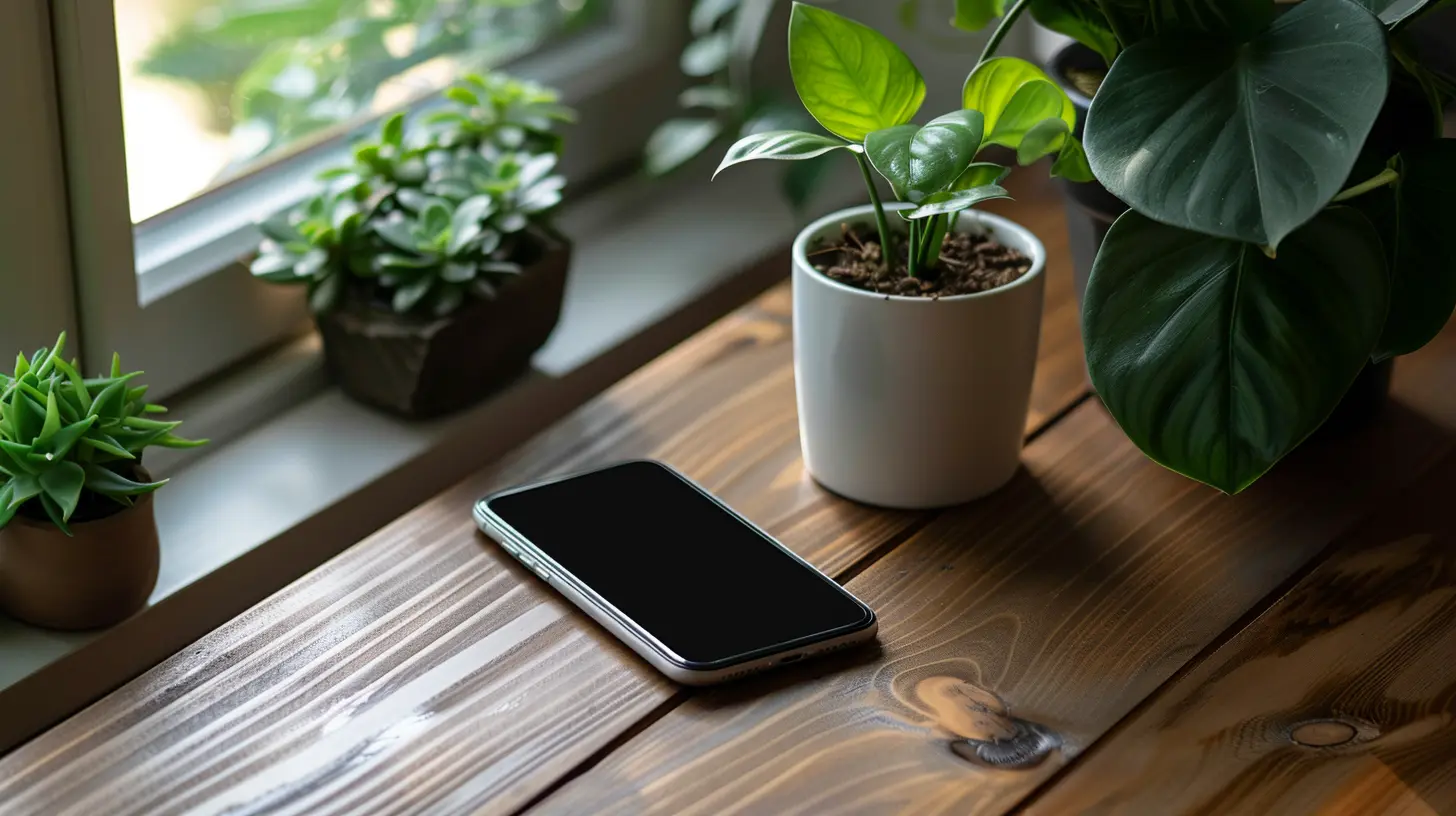
What Is Wireless Charging, Really?
Alright, let’s start with the basics. Wireless charging, also known as inductive charging, lets you juice up your gadgets without physically plugging them in. Instead, it uses electromagnetic fields to transfer energy from the charger to your device. Sounds like sci-fi, right?In most cases, you’ll place your device — think smartphone, smartwatch, or even earbuds — on a charging pad. Once it’s there, the coil inside the pad creates an electromagnetic field. Your device’s coil picks that up and converts it into energy. Boom! Your battery starts filling up without a single cord.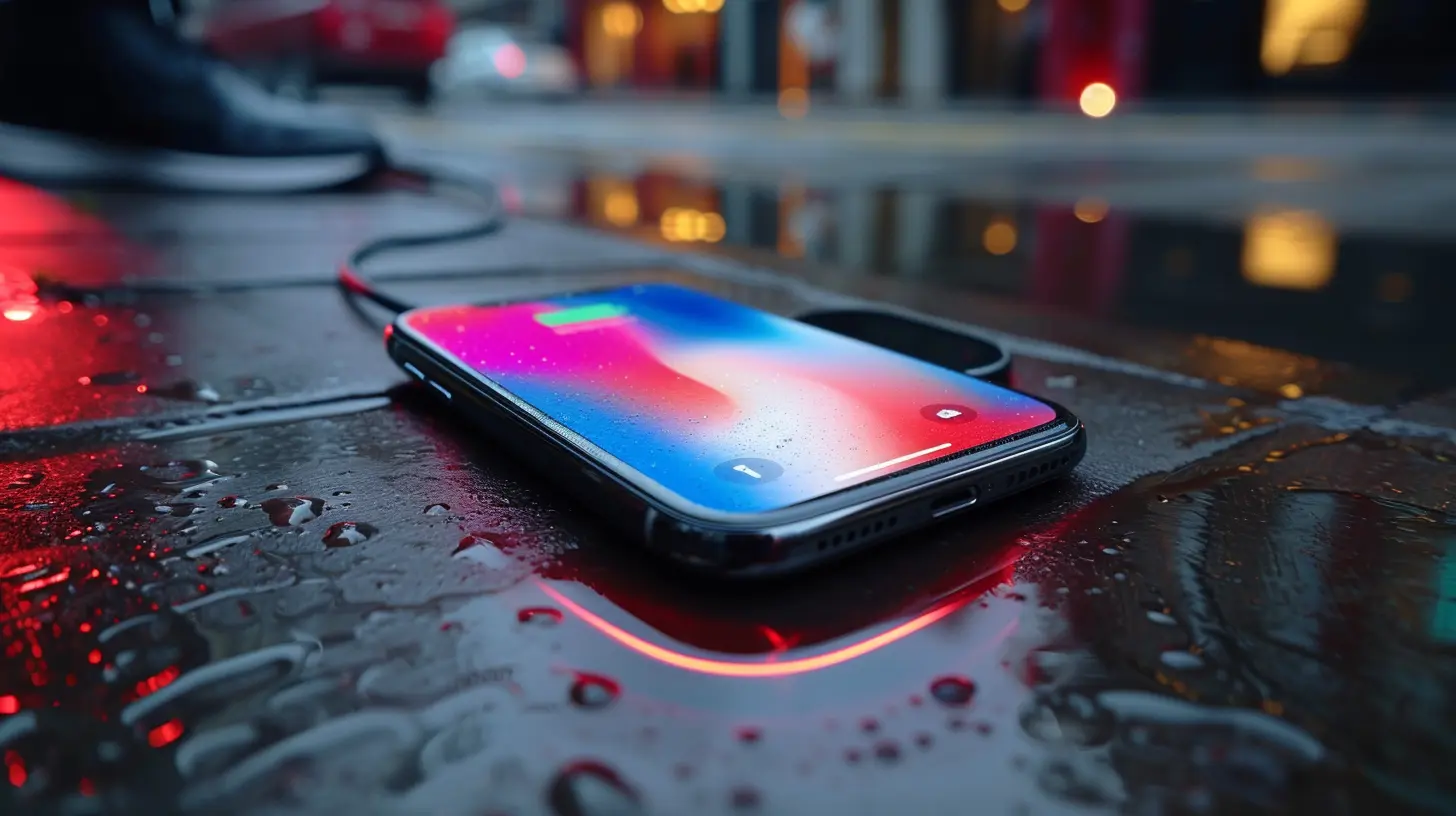
The Everyday Convenience Factor
Okay, let’s be real: cords are annoying. They tangle. They fray. You forget them when you're traveling, and they always disappear when you need them the most.With wireless charging, you just drop your phone on a pad and call it a day. No fumbling in the dark trying to line up the connector. It's like magic. Just place it and forget it.
It also reduces wear and tear on your phone’s charging port. Think about how many times you plug and unplug your phone every single day. Skipping that routine means less physical strain on your phone’s hardware — and that might actually make it last longer over time.
So, if you're about convenience and minimalism, wireless charging definitely has its perks.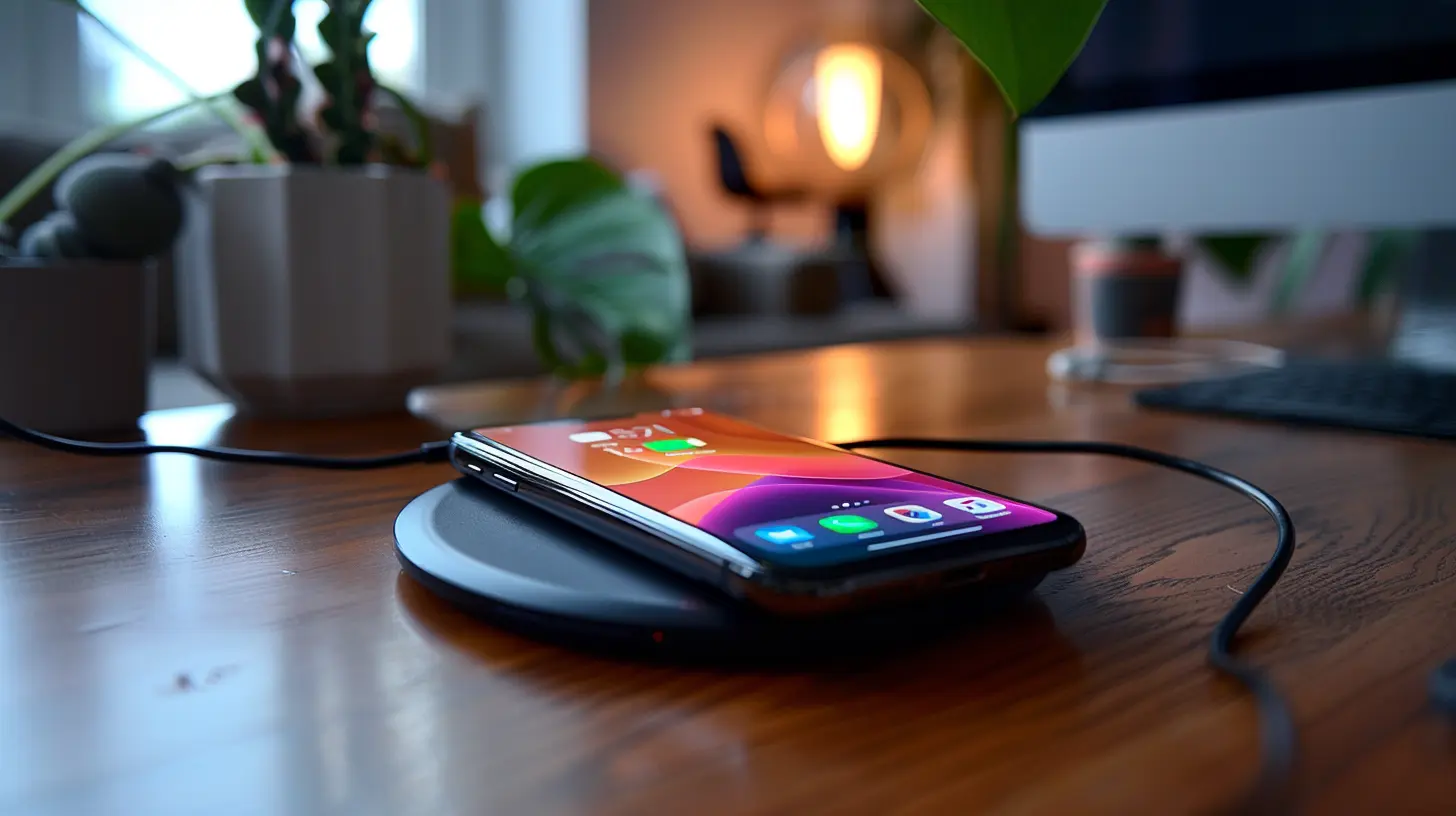
But Wait… It’s Slower (For Now)
Here’s the not-so-pretty part. Wireless charging is — brace yourself — slower than wired charging. If you're the type who waits until your phone hits 5% before panicking and plugging it in, this might annoy you.Most wired chargers nowadays are fast chargers. You plug it in, and within 30 minutes your phone goes from nearly dead to 80%. Wireless chargers? Not quite there yet. Standard Qi wireless chargers typically offer 5W to 15W of power, whereas wired options can go up to 65W or more.
That said, wireless tech is catching up slowly. Some premium devices now support faster wireless charging (looking at you, Samsung and OnePlus), but it's still hard to match the speed of good ol’ cables.
So, ask yourself: Are you okay with charging overnight or while at work at your desk? If yes, you might not even notice the difference.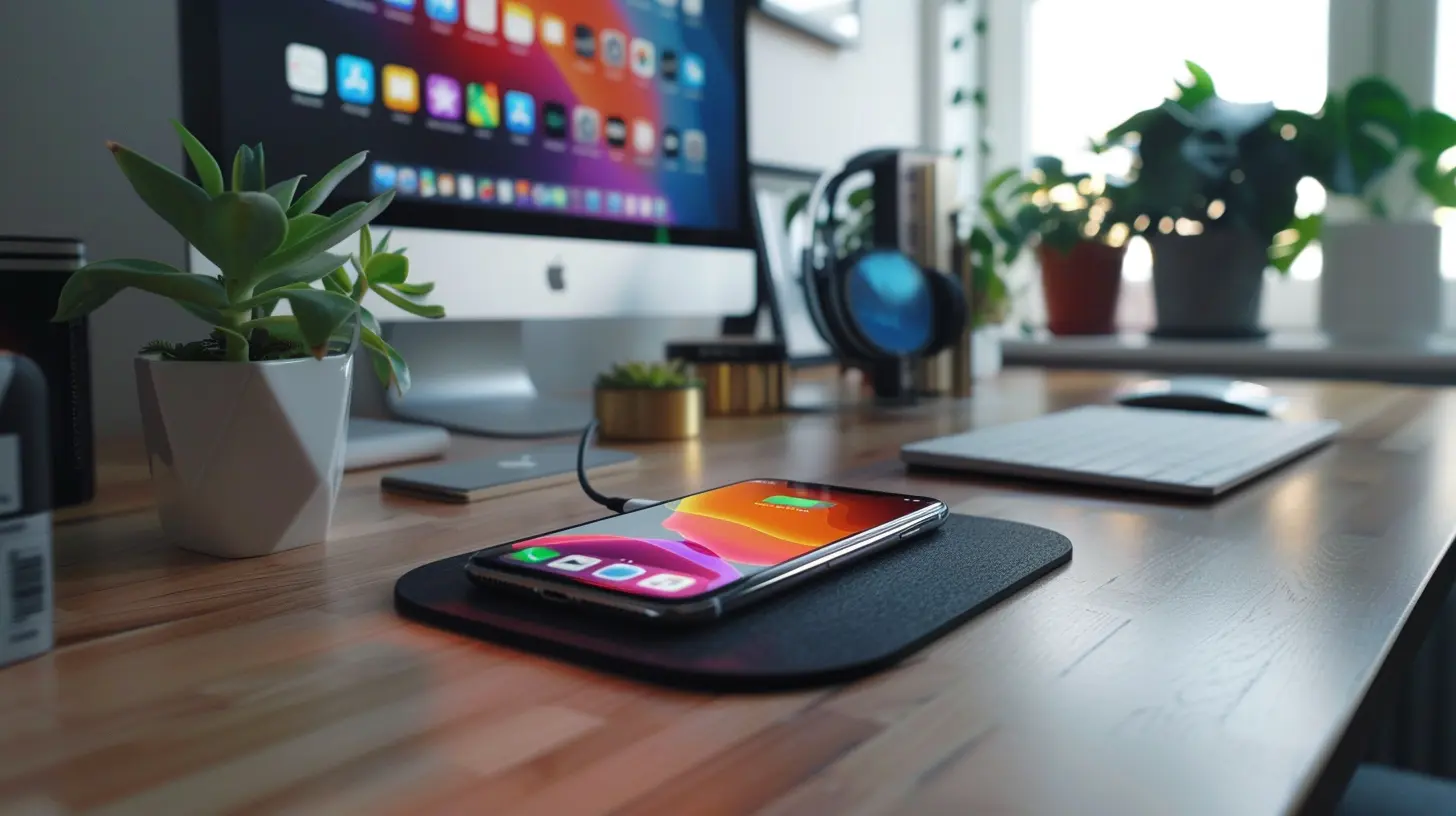
Efficiency and Energy Use
Now here’s something most people don’t think about: energy efficiency.Wireless charging isn’t the most efficient way to top up your phone. In fact, it wastes more energy than wired connections. Some studies suggest wireless charging can lose up to 20% more energy during the process compared to plugging in.
That may not be a big deal for one person charging a phone, but multiply that by millions of users worldwide, and it adds up — not just in electric bills, but also in environmental impact.
So if you’re trying to be eco-friendly, or if you just hate wasting electricity, consider this before going all-wireless.
Heat: The Unwanted Side Effect
Another thing to keep in mind? Heat. Wireless charging generates more heat than wired charging. And heat, my friend, is not a battery’s best friend.Excessive heat can wear your battery down faster over time, reducing its overall lifespan. Some newer wireless chargers are built with fans or special materials to help with heat dissipation, but that also adds bulk and sometimes noise.
So while the idea of wireless charging sounds cleaner and more futuristic, it might actually be harsher on your battery in the long run — especially if you're not using a quality charger.
Compatibility: It’s Getting Better
Back in the day, only a few phones supported wireless charging. Now, it's becoming standard in most flagship phones and even some mid-range devices. From iPhones to Android powerhouses like Samsung Galaxy and Google Pixel, support is wide and growing.And guess what? Wireless charging isn't just for phones anymore. You've got earbuds, smartwatches, and even electric toothbrushes that use the same technology. Some are even fantasizing about wireless kitchen counters — imagine charging your blender by just placing it down.
Universal standards like Qi now dominate the game, which makes things much simpler. One pad to charge all your devices? That's the dream.
Cost: Is It Worth the Price Tag?
Let’s talk money. Wireless chargers come in all shapes and sizes — and prices. A basic one starts around $15, but if you want fast wireless charging, multiple device support, or fancy features like built-in cooling fans or stands, you’re looking at $40 to $100+.So, is it worth paying that extra cash? That depends on your lifestyle. If you're someone who values simplicity, hates clutter, or loves smart home accessories, the premium might be justified. But if you're mostly charging overnight and don't mind plugging in your device, a $5 cable might still be the better deal.
When Wireless Charging Makes Sense
Let’s do a little self-check. Wireless charging might be totally worth it for you if:- You’re tired of cable clutter or messy desks.
- You charge your phone overnight or during long work sessions.
- Convenience matters more than charging speed.
- You’ve already got multiple devices (like an Apple Watch, AirPods, and iPhone) — many pads charge them all at once.
- You want to preserve your charging port (especially if it’s already acting up).
When It Doesn’t Make Sense
On the flip side, wireless charging might not be for you if:- You need fast top-ups during the day — like in between meetings or while running errands.
- You're looking to save money — wireless chargers cost more than cables.
- You’re super into energy conservation — the inefficiency might bug you.
- You travel a lot — wireless pads take up more space and are less versatile than a single USB-C cable.
The Future of Wireless Charging
Here’s where it gets exciting. We're not just talking about pads on tables anymore. The future is about true wireless charging — over-the-air power. Think of it like Wi-Fi, but for electricity. Companies are already working on it. Imagine walking into a room and your phone just starts charging automatically. No pads, no cords, no contact.Yeah, it’s still in the lab, and widespread adoption is a few years off. But it’s coming.
We might also see integration into public places. Imagine airports, restaurants, or even car dashboards with built-in wireless charging zones. It's like having USB ports everywhere, minus the mess.
Final Verdict: Is It Worth the Upgrade?
Here comes the million-dollar question: Should you upgrade to wireless charging?If you’re tech-savvy, love convenience, and don’t mind slowing down your charging routine, then it’s a yes from me. It simplifies your life in small, meaningful ways. You stop worrying about cables, broken charging ports, or always carrying the “right” wire.
But if you’re always in a rush, live off fast-charging, or just can’t be bothered spending extra for a charger that works slower — maybe stick with the wired life a little longer.
All in all, wireless charging is more of a luxury than a necessity… for now. But it’s one of those little upgrades that once you get used to it, going back feels like a step into the Stone Age.
TL;DR (Too Long; Didn’t Read)
- Wireless charging is super convenient and reduces cable mess.- It’s slower than wired charging — especially fast USB-C chargers.
- It wastes more energy and generates more heat.
- It's becoming more common, and prices are coming down.
- Best for overnight or desktop charging, not quick power-ups.
- Totally worth the upgrade for convenience lovers, not for speed demons.
all images in this post were generated using AI tools
Category:
Gadget ReviewsAuthor:

Marcus Gray
Discussion
rate this article
2 comments
Icarus Matthews
Wireless charging isn’t just a trendy upgrade; it’s a game-changer. Say goodbye to tangled cables and hello to seamless convenience. If you value efficiency and modern aesthetics, investing in wireless charging is a no-brainer. Embrace the future—your devices deserve it!
January 21, 2026 at 11:40 AM
Marcus Gray
Thank you for your insight! Wireless charging truly enhances convenience and reduces clutter, making it a worthwhile upgrade for many users.
Dominique Fletcher
Embrace the future! Wireless charging offers convenience and innovation—an upgrade that simplifies your tech experience!
December 29, 2025 at 5:31 AM
Marcus Gray
Thank you for your input! We agree that wireless charging brings convenience and innovation, making it an appealing upgrade for many users.