Advancements in Nuclear Electric Propulsion Could Accelerate Mars Missions
January 10, 2025 - 23:06
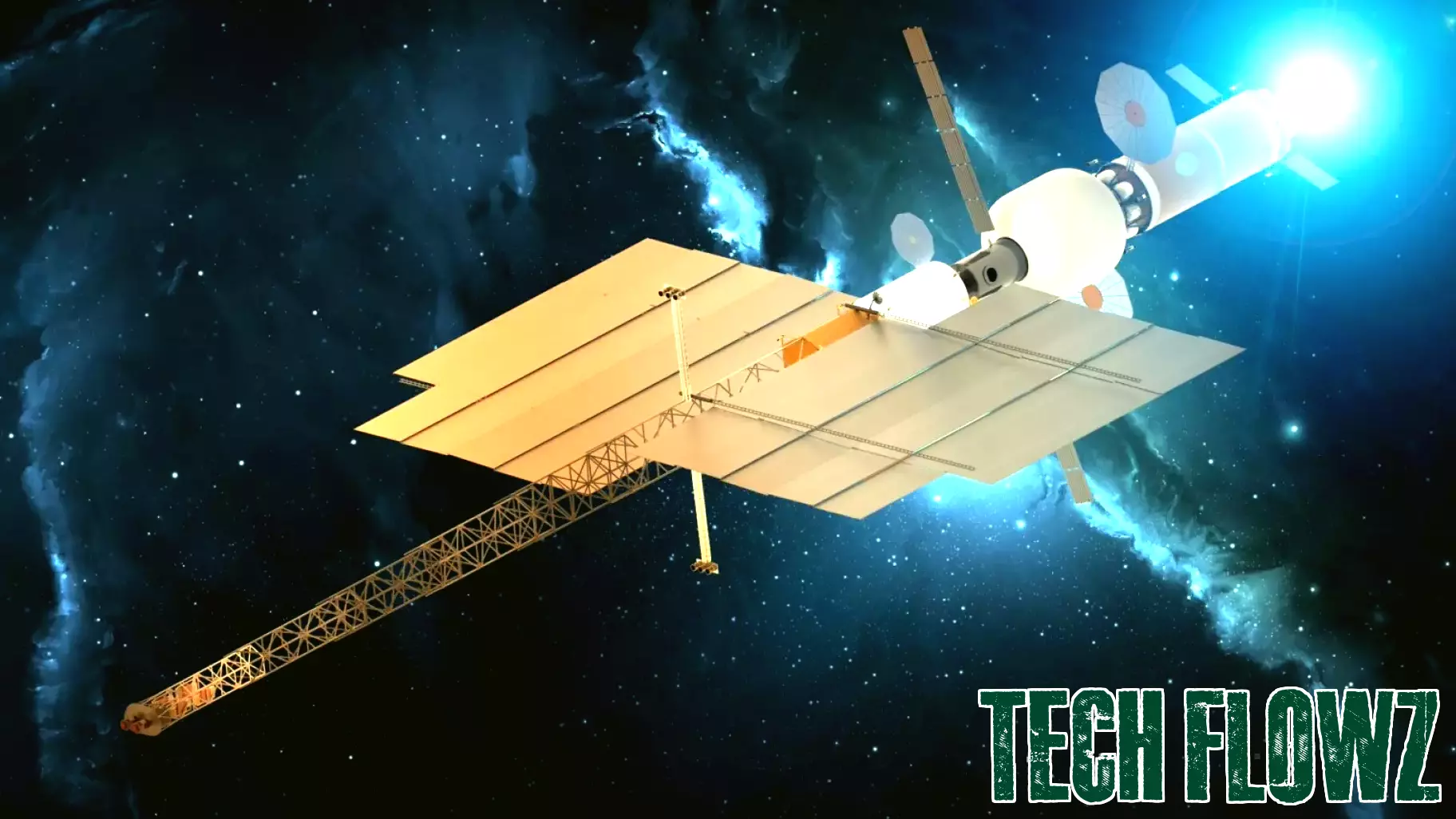
The journey to Mars and back is a monumental undertaking, requiring careful planning and advanced technology. Traditional propulsion methods could take several months, if not years, to complete a round trip. However, recent advancements in nuclear electric propulsion (NEP) technology offer a promising solution to expedite these missions.
Nuclear electric propulsion utilizes nuclear reactions to generate electricity, which then powers electric thrusters. This method is not only more efficient than conventional chemical rockets but also allows for sustained thrust over extended periods. As a result, spacecraft equipped with NEP could significantly reduce travel time to the Red Planet, making it more feasible for crewed missions.
Moreover, the ability to travel faster could reduce the exposure of astronauts to harmful space radiation, a critical concern for long-duration missions. With ongoing research and development, nuclear electric propulsion may soon play a vital role in humanity's quest to explore Mars, paving the way for future colonization efforts and deep space exploration.
MORE NEWS

August 16, 2026 - 17:54
BlackSky Technology (BKSY) Is Up 6.0% After Winning Multi-Year International Geospatial Intelligence ContractBlackSky Technology Inc. saw its shares climb 6 percent after the company confirmed it locked in a new international contract worth seven figures. The deal, which spans multiple years, combines...

August 16, 2026 - 04:45
Flock founder says technology would have helped find Nancy GuthrieGuthrie, 60, vanished after leaving her home in rural Habersham County. Investigators searched for months without a clear break. Her body was discovered in February, and authorities have since...

August 15, 2026 - 05:09
New technology set to improve Blue Grass Airport safetyU.S. Transportation Secretary Sean Duffy visited Lexington on August 14 to announce a major investment in the region`s aviation infrastructure. A total of 17 million dollars in federal funding will...
August 14, 2026 - 03:59
Researcher earns patent for breath-based virus detection technologyA long-running project to turn breath into a diagnostic tool has reached a major milestone. Distinguished Professor Nian Sun, who has spent years refining a sensor that reads chemical markers in...