America Must Not Lose the Mosquito-Laser Race
May 28, 2026 - 00:55
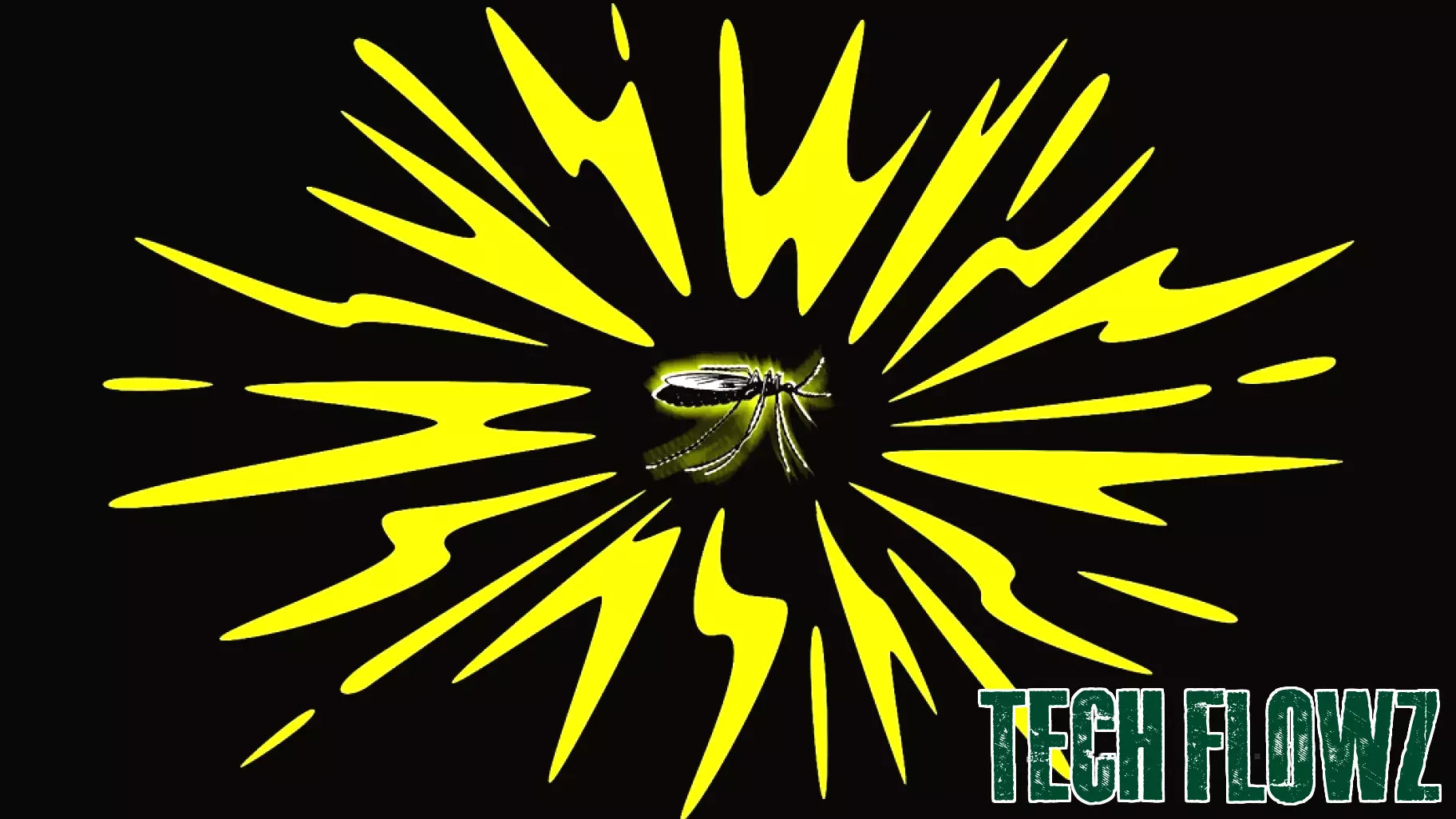
The future of mosquito control cannot arrive soon enough. As climate change expands the range of disease-carrying insects, the race to build a practical mosquito laser has become a quiet but critical front in public health. For years, researchers have tinkered with using lasers to track, identify, and zap mosquitoes mid-flight. The concept is simple: a camera spots the insect by its wing beat frequency, a targeting system locks on, and a low-power laser burns it out of the sky. It is precise, chemical-free, and could theoretically target only female mosquitoes, which bite and spread malaria, dengue, and Zika.
But the technology has stalled. Early prototypes worked in labs but struggled outdoors, where wind, dust, and non-target insects confuse the sensors. Now, a handful of startups and university labs are pushing for a field-ready version. The stakes are high. Mosquito-borne diseases kill over half a million people each year, and resistance to insecticides is growing. A working laser system could replace fogging and spraying, reducing collateral damage to bees and butterflies.
The challenge is not just engineering. It is funding and focus. While Silicon Valley pours billions into AI and self-driving cars, mosquito lasers remain a niche project. Some argue that the United States, with its deep pool of optics and robotics talent, should treat this as a national priority. A successful mosquito laser would not only save lives abroad but also protect American communities from emerging threats like the tiger mosquito, which now thrives in warmer U.S. cities.
The technology is within reach. What is missing is the will to push it across the finish line.
MORE NEWS

August 16, 2026 - 17:54
BlackSky Technology (BKSY) Is Up 6.0% After Winning Multi-Year International Geospatial Intelligence ContractBlackSky Technology Inc. saw its shares climb 6 percent after the company confirmed it locked in a new international contract worth seven figures. The deal, which spans multiple years, combines...

August 16, 2026 - 04:45
Flock founder says technology would have helped find Nancy GuthrieGuthrie, 60, vanished after leaving her home in rural Habersham County. Investigators searched for months without a clear break. Her body was discovered in February, and authorities have since...

August 15, 2026 - 05:09
New technology set to improve Blue Grass Airport safetyU.S. Transportation Secretary Sean Duffy visited Lexington on August 14 to announce a major investment in the region`s aviation infrastructure. A total of 17 million dollars in federal funding will...
August 14, 2026 - 03:59
Researcher earns patent for breath-based virus detection technologyA long-running project to turn breath into a diagnostic tool has reached a major milestone. Distinguished Professor Nian Sun, who has spent years refining a sensor that reads chemical markers in...