Revolutionary AI Chip Utilizes Light for Data Processing
February 7, 2025 - 13:06
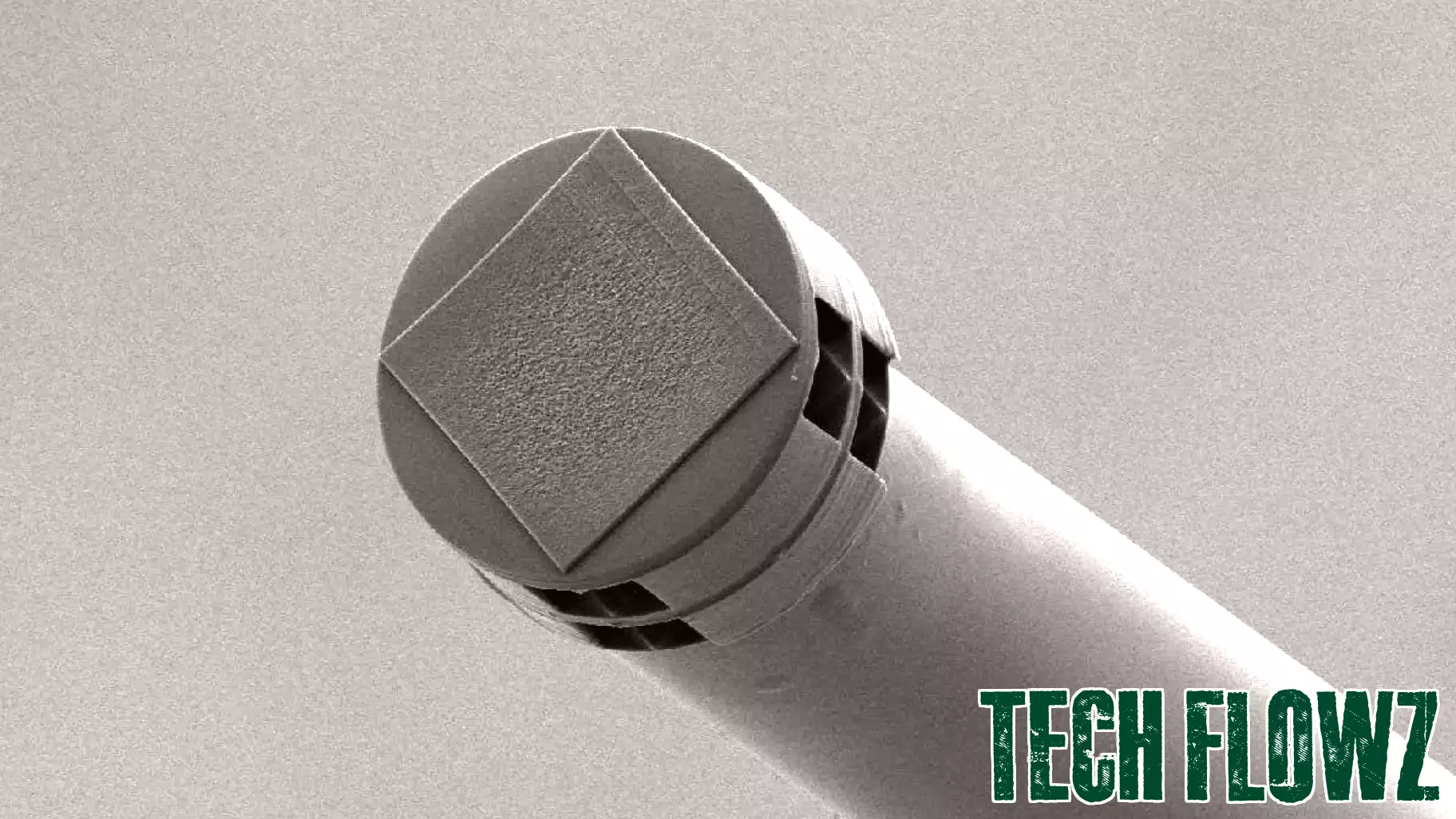
A groundbreaking development in technology has emerged with the creation of an incredibly small AI chip that is no larger than a grain of salt. This innovative chip, positioned at the end of a fiber-optic cable, leverages the power of light to execute artificial intelligence computations. By utilizing light rather than traditional electronic signals, this chip significantly minimizes the energy consumption and computing resources typically associated with AI tasks.
The implications of this advancement are profound, as it opens the door to more efficient data processing capabilities. With the ability to perform complex calculations while using minimal power, this technology holds promise for a wide range of applications, from enhancing mobile devices to improving data centers. As the demand for AI solutions continues to rise, the development of such energy-efficient chips could pave the way for a new era of sustainable computing, ultimately transforming how we approach artificial intelligence in various fields.
MORE NEWS

August 16, 2026 - 17:54
BlackSky Technology (BKSY) Is Up 6.0% After Winning Multi-Year International Geospatial Intelligence ContractBlackSky Technology Inc. saw its shares climb 6 percent after the company confirmed it locked in a new international contract worth seven figures. The deal, which spans multiple years, combines...

August 16, 2026 - 04:45
Flock founder says technology would have helped find Nancy GuthrieGuthrie, 60, vanished after leaving her home in rural Habersham County. Investigators searched for months without a clear break. Her body was discovered in February, and authorities have since...

August 15, 2026 - 05:09
New technology set to improve Blue Grass Airport safetyU.S. Transportation Secretary Sean Duffy visited Lexington on August 14 to announce a major investment in the region`s aviation infrastructure. A total of 17 million dollars in federal funding will...
August 14, 2026 - 03:59
Researcher earns patent for breath-based virus detection technologyA long-running project to turn breath into a diagnostic tool has reached a major milestone. Distinguished Professor Nian Sun, who has spent years refining a sensor that reads chemical markers in...