The Future of Fishing in Minnesota: Can Tradition Survive the Tech Revolution?
April 24, 2026 - 02:36
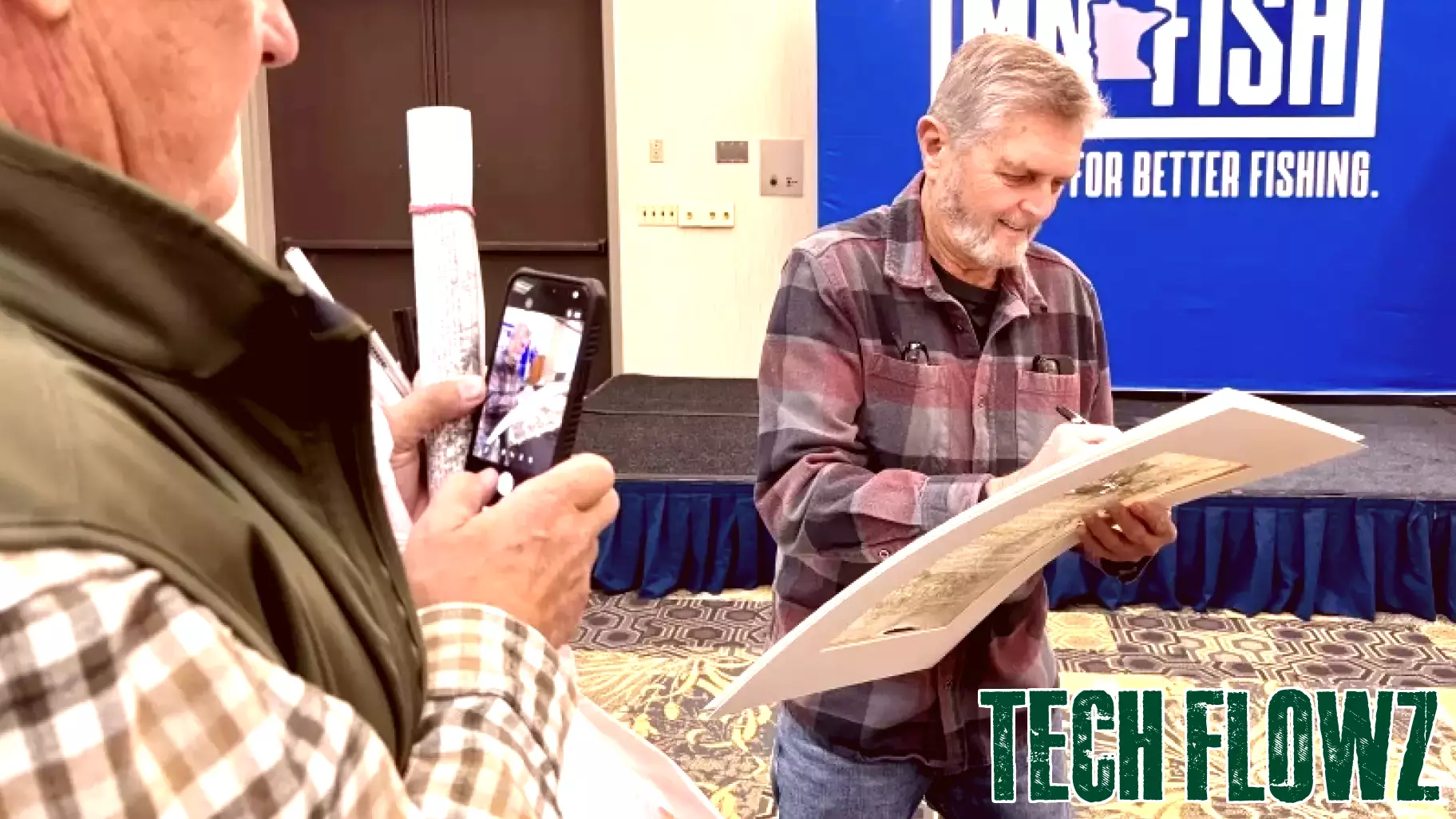
Forward-facing sonar and artificial intelligence are reshaping Minnesota’s fishing landscape, presenting unprecedented challenges for the state’s fisheries and their managers. Once a pastime rooted in patience, intuition, and local knowledge, fishing is increasingly becoming a high-tech pursuit where anglers can “see” fish in real time, track their movements, and predict behavior with algorithms. This technological leap has sparked a heated debate: Is it enhancing the sport or threatening its very foundation?
Forward-facing sonar, now common on many boats, allows anglers to view fish and structure in real time, even casting directly to a specific walleye or bass. Combined with AI-powered mapping and predictive software, these tools can pinpoint schools of fish with surgical precision. While proponents argue that technology levels the playing field and makes fishing more accessible, critics worry about the long-term health of fish populations. When every fish can be located and targeted, the risk of overharvesting rises sharply, especially during spawning seasons or in heavily pressured lakes.
Minnesota’s Department of Natural Resources faces a daunting task: balancing modern angler expectations with sustainable management. Regulations, such as slot limits and seasonal closures, were designed for a time when fish had a fair chance to evade capture. Now, with sonar and AI, that balance is tipping. Some experts suggest that new rules—like restricting sonar use in certain areas or limiting real-time data sharing—may be necessary to preserve the resource. Others advocate for education and voluntary restraint, emphasizing that technology is a tool, not a guarantee.
The cultural shift is equally profound. Fishing has long been a way to disconnect from screens and connect with nature. Yet, the modern angler often stares at a digital display, not the water. The question remains: Can Minnesota’s cherished fishing tradition adapt to this tech-driven era without losing its soul? As debates continue, one thing is clear—the future of fishing will require more than just better gear; it will demand a thoughtful conversation about ethics, conservation, and what we truly value in the sport.
MORE NEWS

August 16, 2026 - 17:54
BlackSky Technology (BKSY) Is Up 6.0% After Winning Multi-Year International Geospatial Intelligence ContractBlackSky Technology Inc. saw its shares climb 6 percent after the company confirmed it locked in a new international contract worth seven figures. The deal, which spans multiple years, combines...

August 16, 2026 - 04:45
Flock founder says technology would have helped find Nancy GuthrieGuthrie, 60, vanished after leaving her home in rural Habersham County. Investigators searched for months without a clear break. Her body was discovered in February, and authorities have since...

August 15, 2026 - 05:09
New technology set to improve Blue Grass Airport safetyU.S. Transportation Secretary Sean Duffy visited Lexington on August 14 to announce a major investment in the region`s aviation infrastructure. A total of 17 million dollars in federal funding will...
August 14, 2026 - 03:59
Researcher earns patent for breath-based virus detection technologyA long-running project to turn breath into a diagnostic tool has reached a major milestone. Distinguished Professor Nian Sun, who has spent years refining a sensor that reads chemical markers in...