The Future of Mobile App Monetization in 2026
2 May 2026
Let's be honest for a second. If you've built a mobile app in the last five years, you've probably felt like you're trying to squeeze water from a stone. The old tricks-banner ads, a single in-app purchase, a $2.99 upfront price tag-they're not just tired, they're dead. Users have ad fatigue. They know when they're being herded toward a subscription funnel. And the App Store? It's a graveyard of good ideas that couldn't pay the server bills.
So what happens in 2026? Do we just give up and let the big players eat everything?
No. The future of mobile app monetization isn't about finding a better ad network or slapping on a higher price tag. It's about fundamentally rethinking what value looks like in a pocket-sized piece of glass. We're moving from a world where you extract money from users to a world where you earn it through alignment, context, and genuine utility. Let's break down exactly how that's going to work.
The Death of the "One-Size-Fits-All" Paywall
If you've ever downloaded a weather app and immediately hit a wall asking for $9.99 a month, you know the pain. That model is brittle. In 2026, static paywalls are going to feel as outdated as a physical map. Why? Because users now expect the app to know them before it asks for anything.Think about it this way: you wouldn't walk into a bar and have the bartender demand payment before you even sit down. You'd leave. But that's exactly what most apps do today. The future is dynamic pricing and dynamic access. We're talking about AI-driven paywalls that analyze user behavior in the first 30 seconds.
Did the user open the app three times today? Did they complete the onboarding? Are they a power user who spends 15 minutes per session? The app will adjust its offer accordingly. A casual user might see a low-cost, one-time unlock for a specific feature. A heavy user gets a gentle nudge toward a monthly subscription, but with a free trial that actually works. This isn't manipulation; it's respect for the user's context. You're not guessing what they'll pay. You're matching the ask to the value they've already experienced.
Subscriptions 2.0: From "Rent" to "Membership"
Subscriptions aren't going away. In fact, by 2026, they'll be the default for any app that offers ongoing value. But the word "subscription" is getting a bad rap. People hate feeling like they're renting their own data or tools. So the smartest developers will rebrand this entirely.You won't sell a subscription. You'll sell a membership. And a membership needs perks that feel tangible. Think about it like a gym membership versus a country club. The gym charges you for access to equipment. The country club charges you for access to a community, events, and status.
In 2026, successful apps will offer tiered memberships that include non-digital benefits. Imagine a fitness app that, for the premium tier, sends you a free branded water bottle every quarter. Or a meditation app that gives you a discount at a partner tea shop. This is the "phygital" (physical plus digital) merge. It gives the user something to touch, something that feels like a reward rather than a bill. The key is that the membership feels like a belonging, not a tax.
The Rise of "Value-Based" Ad Experiences
Let me guess: you hate ads. I hate ads. Everyone hates ads. But we tolerate them when they don't ruin our experience. The problem with traditional mobile ads is that they are interruptive. You're reading an article, and suddenly a video for a mobile game blasts your eardrums. That's a hostile act.In 2026, the winning ad model is the "value exchange." This is already starting with rewarded video ads-you watch a 30-second ad, you get an extra life or a free hint. But it's going to get much more sophisticated. Imagine an app that offers you a choice: "You can read this article for free with ads, or you can complete this quick survey about your coffee habits and get ad-free access for 24 hours." The user feels in control. They are trading their attention for something they want, not having their attention stolen.
We'll also see native advertising that is indistinguishable from content. Not in a deceptive way, but in a relevant way. A recipe app might show a sponsored ingredient from a specific brand, but only if that ingredient is actually used in the recipe you're viewing. It's not an interruption; it's a suggestion. The line between content and commerce blurs completely. Users won't mind, because the ad is actually useful.
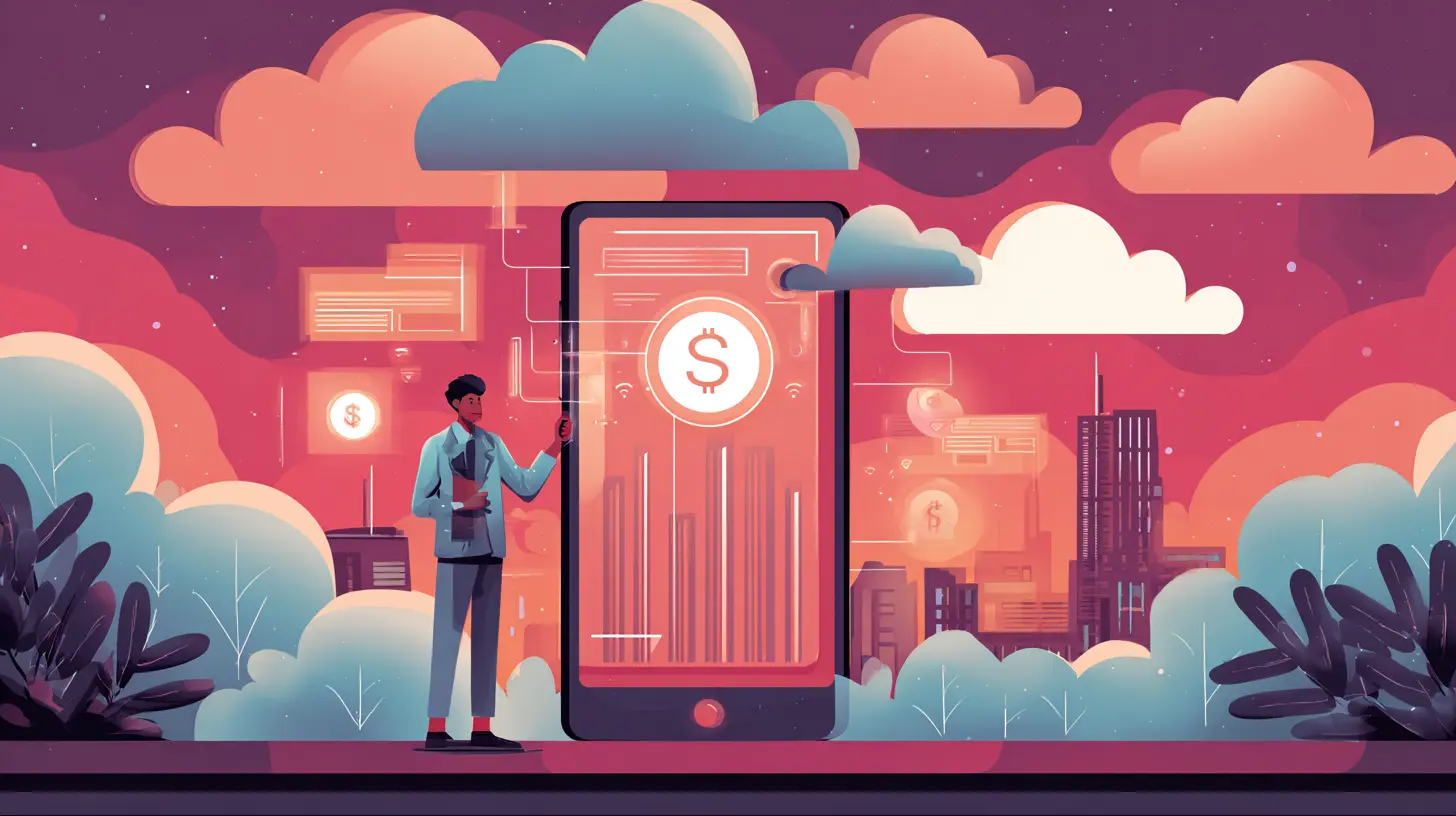
Microtransactions That Don't Feel Like a Rip-Off
Microtransactions have a terrible reputation, mostly because of loot boxes and predatory mechanics. But the concept itself isn't evil. The problem is that developers often use microtransactions to sell hope (like a random chance at a rare item) rather than certainty.By 2026, the smartest apps will pivot to selling "convenience" and "expression." Think about it like this: in a game, you don't need to buy a power-up to win. But you might buy a skin to look cool, or a fast-pass to skip a grind. That feels fair. For non-game apps, this translates to selling "time savers." A photo editing app might let you buy a specific filter pack for $0.99, rather than forcing you into a $10 monthly subscription. A productivity app might let you buy a single template for $1.99.
The key here is transparency. The user needs to know exactly what they are getting and that the price is fair. No hidden timers. No "surprise" fees. Just a simple, honest transaction. This builds trust, and trust is the currency that keeps users coming back.
The Freemium Trap is Dead. Long Live the "Free Trial with Friction"
Freemium has been the holy grail for over a decade. Give away the basics, charge for the good stuff. But here's the dirty secret: most freemium apps have terrible conversion rates. Users play with the free version forever, never seeing the value of the paid version, or they hit a wall so hard they delete the app.In 2026, we'll see a shift toward "free trials with friction" or "time-limited full access." Instead of a crippled free version, give the user the full app for 7 days. But don't just let the clock run. Build in "friction points" that naturally show the value of the paid version. For example, a project management app might give you full access for a week, but on day 5, it shows you a report that says, "You saved 3 hours this week using our automation feature. Upgrade to keep that feature." The user has already experienced the benefit. They've felt the friction of losing it.
This is more honest than a feature-gated free version. It's a taste of the full meal, not a single crumb. And because the user has already invested time, they are more likely to pay to avoid losing that investment.
AI Will Be the Monetization Engine, Not Just a Feature
We're all talking about AI features-chatbots, image generation, smart summaries. But the real story for 2026 is that AI will be the monetization engine itself. I'm not talking about charging users for an AI chatbot. I'm talking about using AI to optimize every single revenue stream in real time.Imagine an e-commerce app that uses AI to personalize the price of a product based on the user's browsing history, location, and even the weather. Or a news app that uses AI to curate a "premium" feed of articles that are algorithmically guaranteed to match the user's interests, then charges a small fee for that curated experience. The AI doesn't just make the app smarter; it makes the pricing smarter. It can predict when a user is about to churn and offer a discount before they leave. It can identify which users are willing to pay more for a specific feature and present it to them first.
This feels a bit like Big Brother, I know. But when done right, it feels like magic. The user gets a price that feels fair to them, and the developer maximizes revenue. It's a win-win, as long as the AI is transparent and the user can opt out.
The Subscription Bundle: Your App as a Service
One of the biggest trends we'll see in 2026 is the rise of the "app bundle" or "micro-service" model. Instead of charging $10 a month for one app, you charge $15 a month for a suite of three apps that work together. Think of it like the Microsoft Office model, but for smaller, niche tools.A developer who makes a calorie tracker, a workout planner, and a sleep tracker can bundle them. The user pays once and gets a holistic health dashboard. This reduces churn because the user has multiple touchpoints. It also increases the perceived value. The user thinks, "I'm not paying for an app; I'm paying for a system." This is particularly powerful for indie developers who can partner with other indie developers to create these bundles. It's like a digital co-op. You share the revenue, but you also share the user base.
Why User Retention is the New Revenue
Here's a hard truth: you can't monetize a user who doesn't open your app. In 2026, the most successful monetization strategies will focus almost entirely on retention before revenue. The math is simple. It costs 5 to 10 times more to acquire a new user than to keep an existing one. So why spend all your energy on a fancy paywall when your users are leaving after day three?The future of monetization is actually about building habits. It's about the "aha moment" that happens on day one. If you can get a user to complete a core action-like sending their first message, completing their first workout, or finishing their first task-they are 70% more likely to pay. So the monetization strategy starts at the onboarding screen. It's not about asking for money. It's about guiding the user to a win as fast as possible.
Once they win, they feel gratitude. And gratitude is the only emotion that makes a user click "Subscribe" without hesitation.
The Ethical Monetization Mandate
I have to mention the elephant in the room: regulation. By 2026, we're going to see much stricter rules around data privacy and dark patterns. The days of tricking users into a subscription with a confusing UI are numbered. Apple and Google are already cracking down on "subscription traps." The European Union's Digital Markets Act is forcing more transparency.This is actually good news for honest developers. If you build an app that is clear, fair, and respectful, you will stand out. The future of monetization is not about being the loudest or the most aggressive. It's about being the most trustworthy. Users are tired of being treated like wallets. They want to feel like partners. If you can build a monetization model that aligns your success with their success, you will win.
Putting It All Together: A Practical Roadmap for 2026
So what do you actually do? Here's a simple checklist for your app in 2026:1. Ditch the static paywall. Use AI to offer personalized pricing and trial lengths.
2. Sell memberships, not subscriptions. Add a physical perk or a community element.
3. Make ads a value exchange. Give users a choice: watch or pay.
4. Offer microtransactions for convenience. Sell time savers and expression, not hope.
5. Use friction in your free trial. Let them taste the full product before you take it away.
6. Bundle with other apps. Create a system, not a single tool.
7. Focus on retention first. Get the user to their "aha moment" before you ask for money.
8. Be transparent. No dark patterns. No hidden fees. Just honest value.
The app stores aren't going away. The competition isn't going to get easier. But the rules of the game are changing. The old ways are dying because they treated users like marks. The new ways will thrive because they treat users like people.
So, ask yourself: Is your app worth paying for? If the answer is yes, then the monetization will follow. If the answer is no, then no amount of clever pricing will save you. That's the real future. Build something valuable, and the money will find a way.
all images in this post were generated using AI tools
Category:
Mobile ApplicationsAuthor:

Marcus Gray
Discussion
rate this article
2 comments
Mercy Jackson
This article offers valuable insights into how mobile app monetization will evolve. The predictions about subscription models and in-app purchases are especially relevant for developers looking to adapt.
May 3, 2026 at 11:21 AM
Marcus Gray
Thank you for your feedback! I'm glad you found the insights on subscription models and in-app purchases relevant for developers. It's an exciting time in the mobile app landscape.
Ruby Hayes
By 2026, mobile app monetization may involve more ads than actual content. Get ready for a world where your app knows you better than your therapist!
May 3, 2026 at 4:27 AM
Marcus Gray
You make a great point. Balancing ads and content will be crucial to keep users engaged and satisfied. It's definitely an interesting trend to watch.